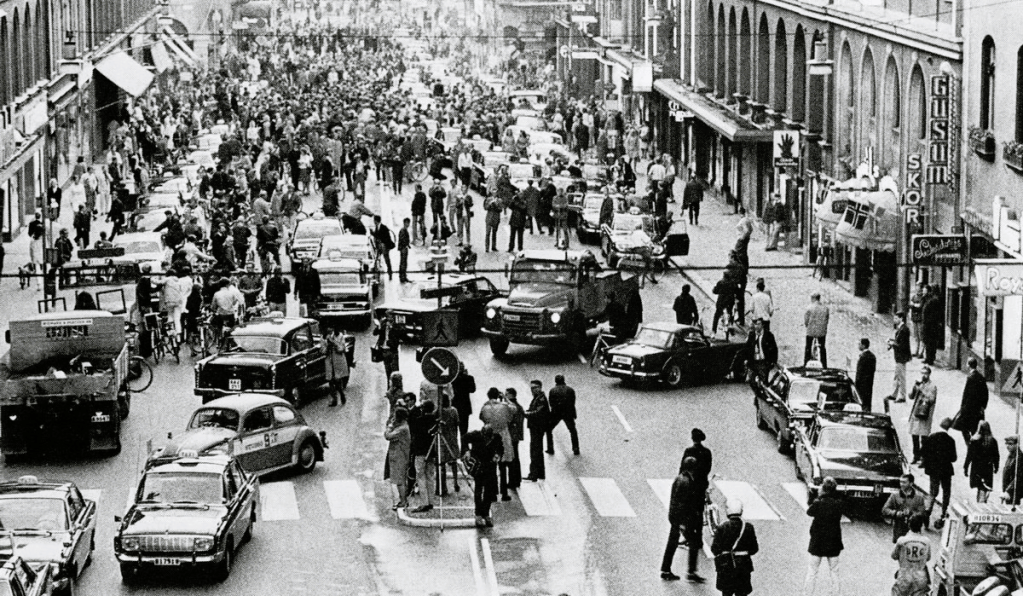
“Dagen H,” or “H Day,” stands for “Högertrafikomläggningen” in Swedish, meaning “The right-hand traffic diversion.” This term refers to one of the most significant and carefully planned transportation changes in Sweden’s history: the switch from driving on the left-hand side of the road to the right. On September 3, 1967, Sweden made this monumental change. This decision had profound implications for the country’s road infrastructure, traffic safety, and daily life. This blog explores the reasons behind Dagen H, the meticulous planning involved, the execution of the switch, and its aftermath.
Background and Rationale
Before Dagen H, Sweden was one of the few European countries where vehicles drove on the left-hand side of the road. This was a legacy from the early 18th century when the country followed the practice common in many parts of Europe. However, as the 20th century progressed, Sweden found itself increasingly out of sync with its neighbors, most of whom drove on the right. This mismatch caused significant problems, particularly at the borders with Norway and Finland, where traffic had to switch sides.
Furthermore, the majority of cars in Sweden were designed for right-hand driving, as they were imported from countries where driving on the right was the norm. This resulted in drivers in Sweden sitting on the left side of the car, a setup that made overtaking dangerous and significantly contributed to alarmingly high accident rates. The mounting safety concerns, along with the practical difficulties of maintaining a left-hand traffic system in a region dominated by right-hand driving, underscored the need for a change.
Planning and Preparation
The idea of switching to right-hand traffic has been debated in Sweden for decades. As early as 1927, the Swedish government considered a change. Still, a national referendum in 1955 showed that 83% of the population opposed the switch. Despite this, the government recognized the need for uniformity with neighboring countries and decided to proceed with the change, regardless of public opinion.
In 1963, the Swedish Parliament passed a law mandating the switch, setting in motion a comprehensive planning process. The planning for Dagen H was one of the most complex logistical operations ever undertaken in Sweden. A special commission, the Statens Högertrafikkommission (State Right-Hand Traffic Commission), was established to oversee the transition. The commission was responsible for coordinating all aspects of the switch, including public education, road infrastructure changes, and vehicle modifications.
Execution of Dagen H
To minimize disruption, the switch was scheduled for a Sunday, a day when traffic was generally lighter. The exact date—September 3, 1967—was chosen after thorough preparation to ensure a smooth transition while avoiding winter weather, which could complicate the process.
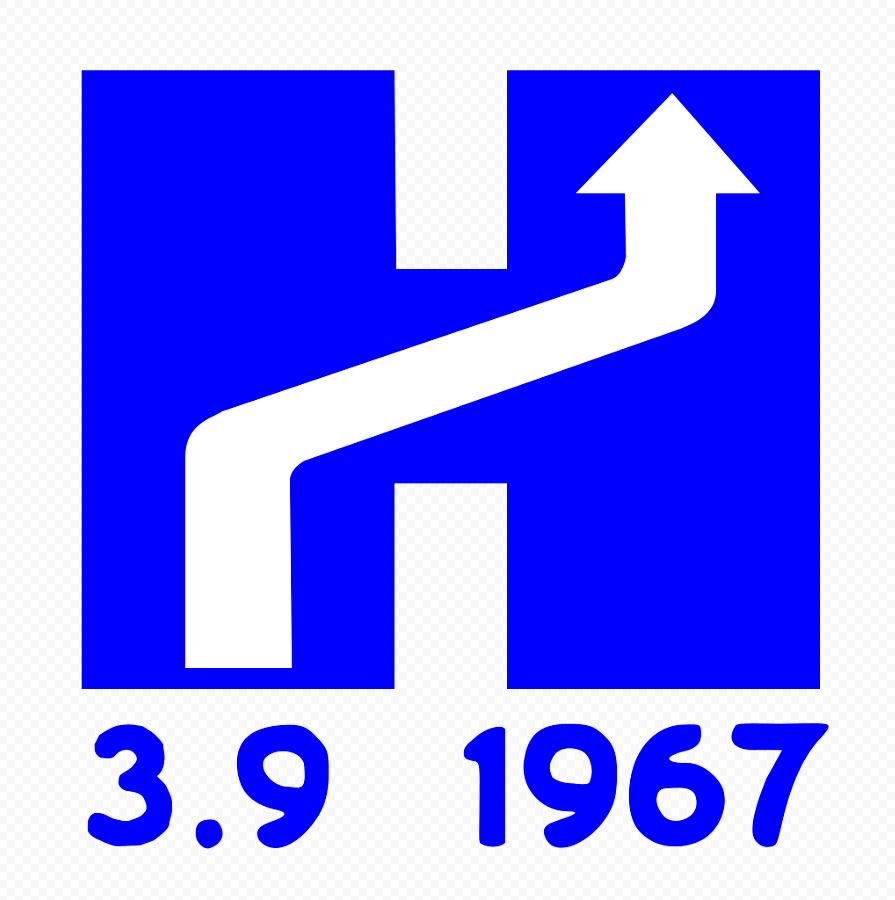
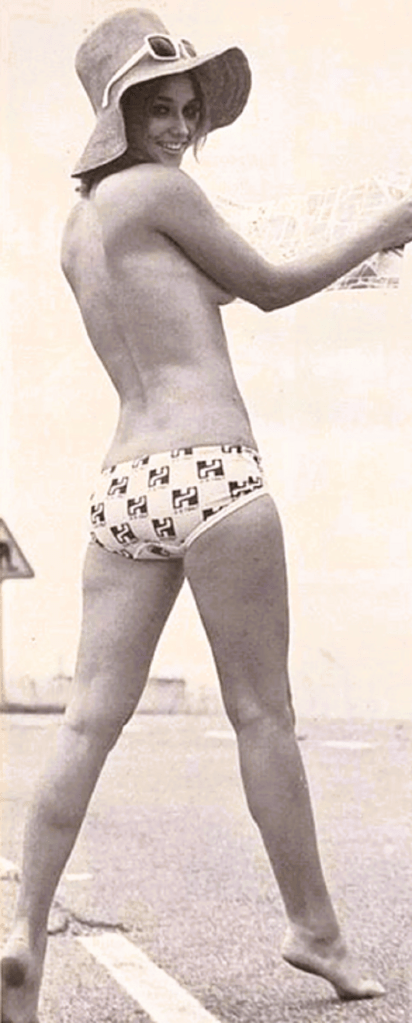
In the weeks before Dagen H, a massive public information campaign was launched. The government distributed pamphlets, ran radio and television advertisements, and even used slogans and songs to ensure that every Swede was aware of the upcoming change. Unique road signs were erected, and temporary markings were placed on roads to guide drivers during the transition.
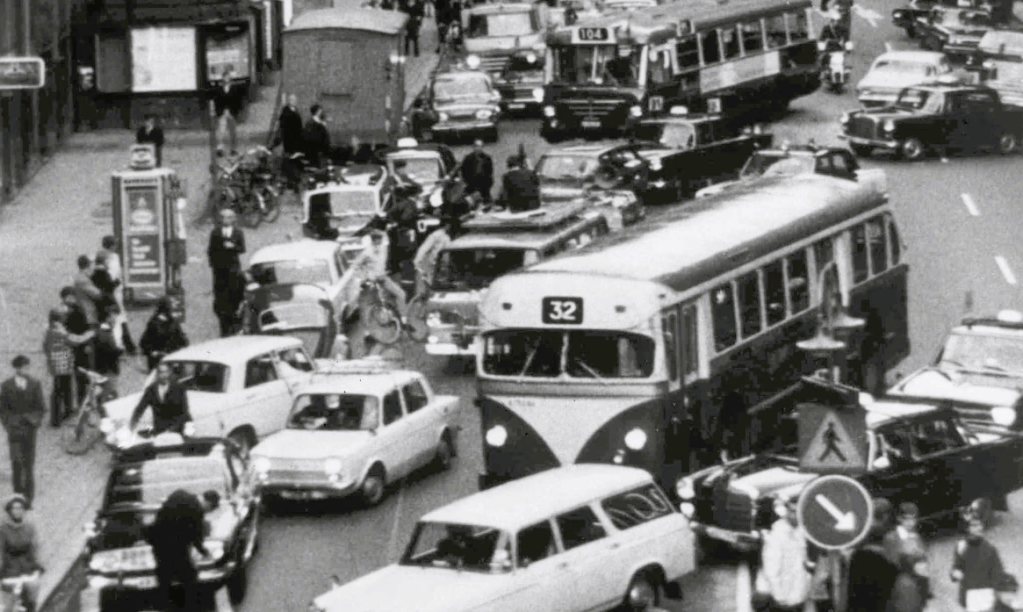
On the night before Dagen H, all non-essential traffic was banned from the roads. At 4:50 AM on September 3, all vehicles were required to come to a complete stop. Traffic was then instructed to carefully move to the right-hand side of the road and wait. At 5:00 AM, drivers were allowed to resume their journeys, now driving on the right.
The switch was executed with remarkable precision, a result of meticulous planning. Thousands of workers were involved in the operation, reconfiguring road signs, traffic signals, and intersections to accommodate the new driving pattern. In Stockholm alone, around 360,000 street signs were changed. Despite the complexity of the operation, the switch was completed smoothly, with relatively few incidents.
Immediate Aftermath and Long-Term Impact
In the immediate aftermath of Dagen H, there was a significant reduction in traffic accidents, primarily because drivers were being extremely cautious due to unfamiliar driving conditions. However, as drivers grew more accustomed to the new system, accident rates began to rise again, though they eventually stabilized.
The long-term impact of Dagen H was largely positive. The switch brought Sweden into alignment with its neighbors, making cross-border travel easier and safer. It also improved traffic flow within the country. It reduced the risks associated with overtaking and other maneuvers that had been dangerous under the left-hand driving system.
Economically, the change was costly—estimated at around 628 million Swedish kronor (approximately $125 million at the time)—but it was considered a necessary investment in the country’s infrastructure and safety. Dagen H’s success demonstrated Sweden’s ability to plan and execute large-scale operations, and it remains a significant moment in the nation’s history.
Cultural and Social Impact
Dagen H also had a notable cultural and social impact. It became a symbol of Sweden’s modernization and its willingness to embrace change for the greater good. The public information campaign leading up to Dagen H is often cited as one of the most effective in history, reflecting the importance of communication and education in managing large-scale societal shifts.
In popular culture, Dagen H has been referenced in various contexts, often as an example of successful governmental planning or as a quirky historical footnote. The day is remembered with a mix of nostalgia and pride, particularly by those who experienced the switch firsthand.
Sources
https://www.onthisday.com/photos/sweden-switches-to-driving-on-the-right-hand-side
https://www.theguardian.com/world/2022/sep/07/dagen-h-sweden-switches-to-driving-on-the-right-1967
Donation
Your readership is what makes my site a success, and I am truly passionate about providing you with valuable content. I have been doing this at no cost and will continue to do so. Your voluntary donation of $2 or more, if you are able, would be a significant contribution to the continuation of my work. However, I fully understand if you’re not in a position to do so. Your support, in any form, is greatly appreciated. Thank you. To donate, click on the credit/debit card icon of the card you will use. If you want to donate more than $2, just add a higher number in the box left from the PayPal link. Your generosity is greatly appreciated. Many thanks.
$2.00
 History of Sorts
Leave a comment