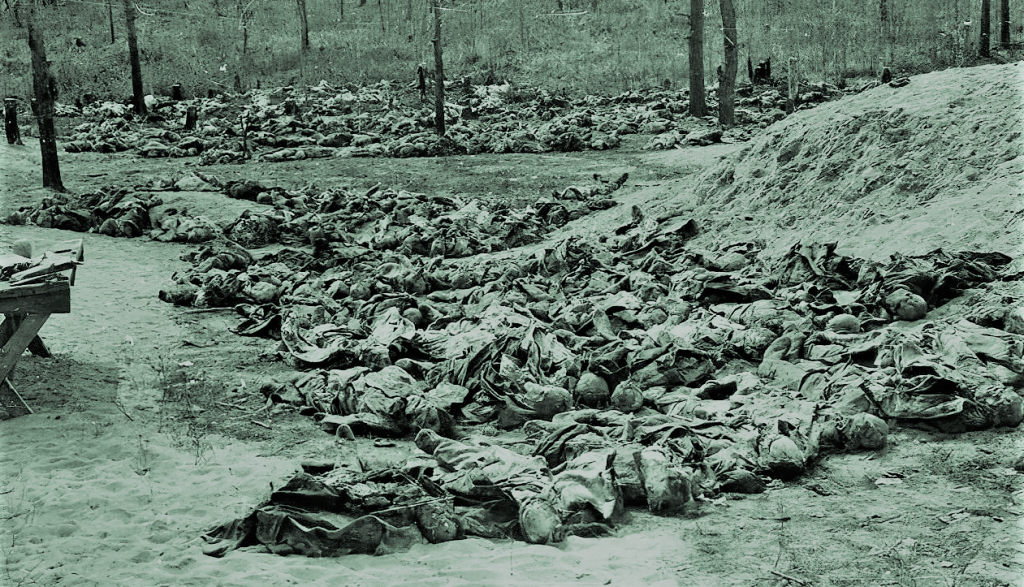
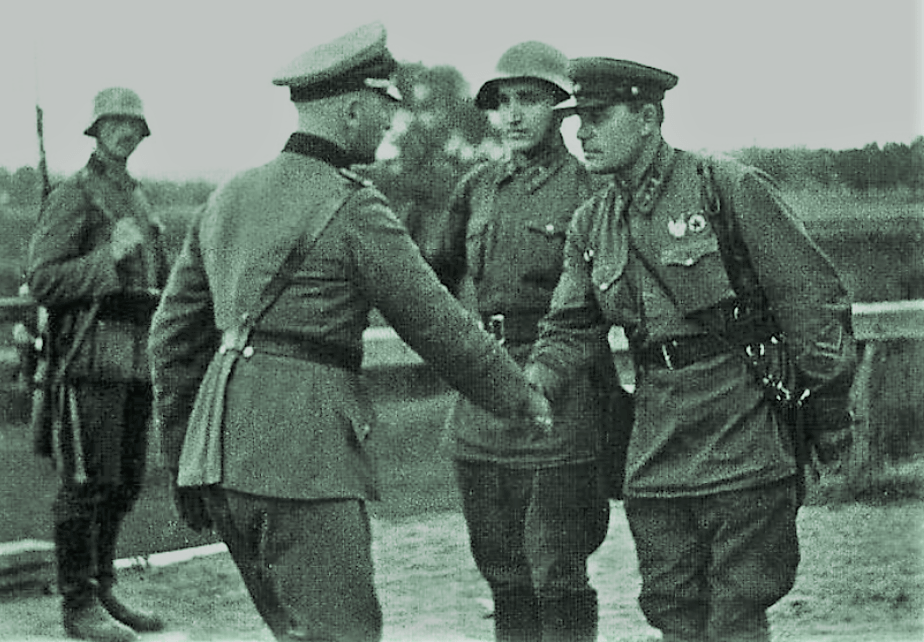
While the Nazis are rightly remembered for the horrific crimes they committed before and during World War II, the Soviet Union also carried out its own brutal acts. From 23 August 1939 to 22 June 1941, the two regimes were bound by the Molotov–Ribbentrop Pact, effectively making them partners.
After signing the Ribbentrop-Molotov Pact in 1939, the USSR occupied Bessarabia, Northern Bukovina, and the Hertza region in 1940. Overnight, around three million displaced Romanians found themselves in a foreign land. The government in charge no longer tolerated their traditions, origins, culture, and religion.
Many arrested Romanians from Bukovina were killed or deported; churches were closed; properties confiscated; and many families began to cross the new border and went to Romania.
In January 1941, the NKVD (People’s Commissariat for Internal Affairs) issued rumors that people would be allowed to cross the border. As a result of this information, on Easter, April 1, 1941, a large group of people from several villages in the Siret Valley headed to the Soviet-Romanian border carrying a white flag and religious insignia (icons, church flags, and crosses).
Approximately 2,000 to 3,000 unarmed civilians walked together toward the new Soviet-Romanian border. The Soviet border guards attempted to turn back the group several times, issuing a final verbal warning and firing shots in the air when the people arrived at Varnystia, near the border.[12] After the convoy pressed on, the border guards began to shoot, reportedly after a few members fired. According to the Soviet official report, casualty figures amounted to 44 people (17 from Pătrăuții de Jos, 12 from Trestiana, five each from Cupca and Suceveni, three from Pătrăuții de Sus, two from Oprișeni), and although the numbers were reportedly higher according to survivor testimonies. Partial listings of victims later identified some of them. Most of them were cut by bullets and thrown into mass graves, some buried alive. The pursued were re-captured, tortured, and then deported. Today, Fântâna Albă (now Stary Vovchynets or Bila Krinicya) location is in the territory of Ukraine.
Sources
Donation
Your readership is what makes my site a success, and I am truly passionate about providing you with valuable content. I have been doing this at no cost and will continue to do so. Your voluntary donation of $2 or more, if you are able, would be a significant contribution to the continuation of my work. However, I fully understand if you’re not in a position to do so. Your support, in any form, is greatly appreciated. Thank you. To donate, click on the credit/debit card icon of the card you will use. If you want to donate more than $2, just add a higher number in the box left from the PayPal link. Your generosity is greatly appreciated. Many thanks.
$2.00
 History of Sorts
Leave a comment