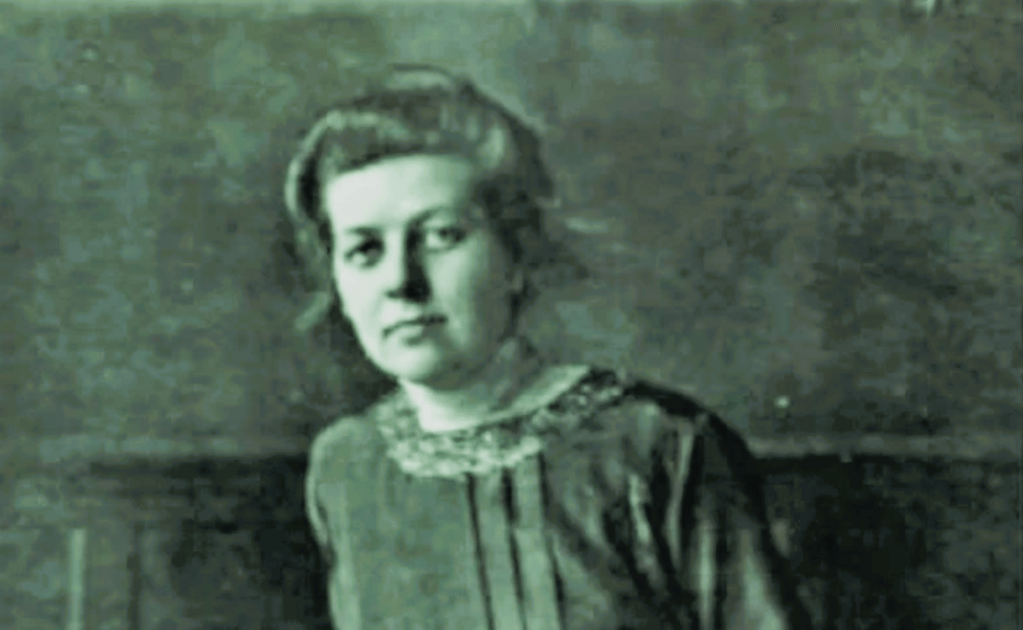
Not all heroes wear uniforms or capes. Not all resistance fighters use guns. In fact, the bravest ones don’t. Betsie ten Boom was a Hero and resistance fighter. She and her family saw what was happening with their Jewish neighbours and acted. I wish politicians nowadays would follow Betsie’s example and not do the easy thing—but the right thing.
Many people will know the name of Corrie ten Boom from the book and movie The Hiding Place, which tells the story of Corrie and her family who hid Jews in their home during the war.
Betsie was Corrie’s older sister, and her story is less known. Betsie was a member of the Dutch Reformed Church and strongly believed all men were equal in the eyes of God. She remained steadfast in that belief until the day she died.
She was born on 19th August 1885 in Amsterdam, with Congenital pernicious anemia, which is believed to be caused by a malfunction of the gastric juices of intrinsic factor during the nine weeks before birth. Her illness prevented her from bearing children, so she chose, at a young age, not to marry. Whilst she wasn’t active outside of the home during the Nazi invasion of the Netherlands, she did keep everyone who passed through the home fed and watered and was a welcoming host.
In May 1942, a Jewish woman came to the Ten Boom home begging for help, knowing that if caught, she would be vulnerable to being deported by the Nazis or worse. The Ten Boom family, without hesitation, did what they saw as their duty as Christians and helped the woman They not only took this woman in but also opened their home to many others who were also in need.
In February 1944, the Nazis started suspecting that the Ten Booms were hiding Jews in their home and raided their home on the 28th of February. The ten Boom family and other people at the house, about 30 in all, were arrested for their resistance activities and taken to Scheveningen prison. The six Jews they were hiding had not been discovered, and all survived with the help of other Resistance workers. Casper ten Boom became ill and died ten days later at the prison.
Afterwards, Betsie and Corrie were moved to Vught near ‘s-Hertogenbosch, a concentration camp for political prisoners. Writing in The Hiding Place, Corrie recalls:
“Together we climbed onto the train, together found seats in a crowded compartment, together wept tears of gratitude. The four months in Scheveningen had been our first separation in 53 years; it seemed to me that I could bear whatever happened with Betsie beside me.”
What is remarkable about Betsie is her positivity and determination that even in such a horrible, hate-filled place, she could see potential, she accepted the ordeal. She was the encourager for Corrie, who didn’t always see things the way her sister did. This is reflected in her statement to Corrie after they were given the rules by the guards in the camp:
“Corrie, if people can be taught to hate, they can be taught to love! We must find the way, you and I, no matter how long it takes. I saw a grey uniform and a visored hat; Betsie saw a wounded human being. And I wondered, not for the first time, what sort of a person she was, this sister of mine, what kind of road she followed while I trudged beside her.”
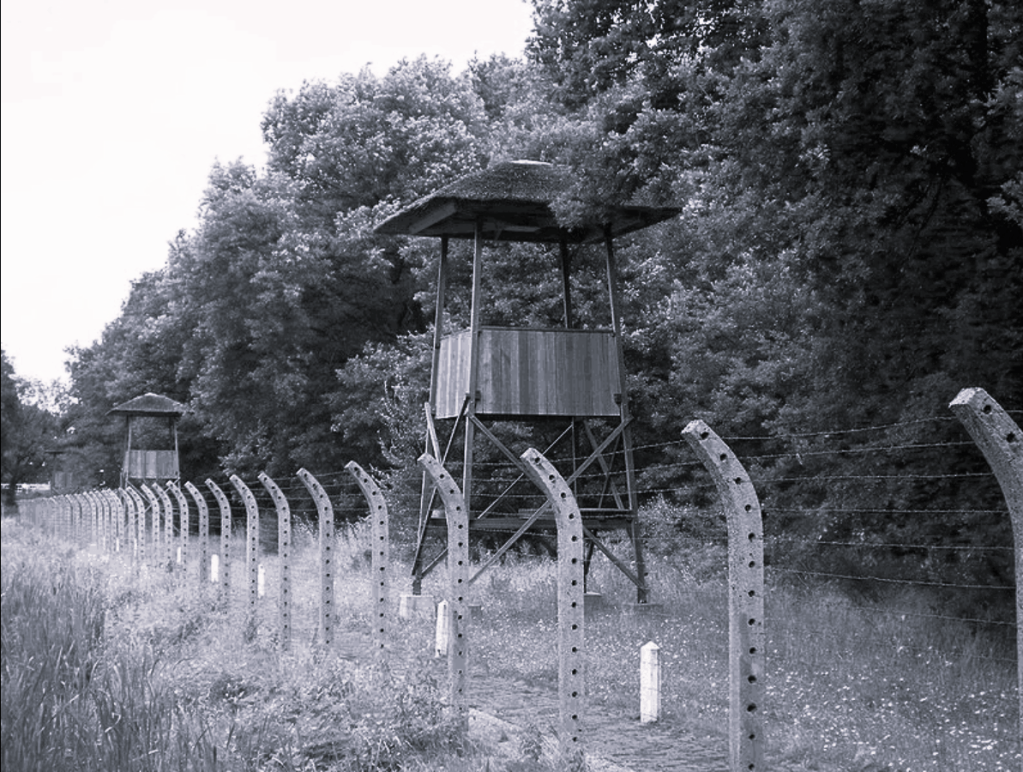
In June 1944, Betsie ten Boom and her sister Corrie were transferred to Ravensbrück Concentration Camp. Her strong faith in God kept her from depression throughout her life, especially within the camps. Corrie told of how Betsie reached out to help others and helped Corrie see the best in everything, no matter what the circumstances.
One day, Betsie and Corrie were out levelling rough ground inside the camp wall. As Betsie wasn’t strong—she couldn’t put as much on her shovel, and when the guards saw her efforts, they made fun of her and beat her with a whip. This enraged Corrie, who rushed at the guard before Betsie stopped her, pleading for her to keep calm and keep working. When looking at the mark the whip left, Betsie said, “Don’t look at it, Corrie. Look at Jesus only.”
The harsh treatment, working long days outdoors, 4 am starts and lack of nutritious food led to Betsie becoming weaker as winter began. No longer able to do any duties, Betsie was brought to the camp hospital. One morning, Corrie had sneaked around to the hospital window after roll call to see her, only to find she had passed away. Betsie died on December 16, 1944.

Sources
https://www.hhhistory.com/2021/10/betsie-ten-boom-uncommon-hero.html
https://collections.yadvashem.org/en/righteous/4014036
Donation
Your readership is what makes my site a success, and I am truly passionate about providing you with valuable content. I have been doing this at no cost and will continue to do so. Your voluntary donation of $2 or more, if you are able, would be a significant contribution to the continuation of my work. However, I fully understand if you’re not in a position to do so. Your support, in any form, is greatly appreciated. Thank you. To donate, click on the credit/debit card icon of the card you will use. If you want to donate more than $2, just add a higher number in the box left from the PayPal link. Your generosity is greatly appreciated. Many thanks.
$2.00
 History of Sorts
Leave a comment