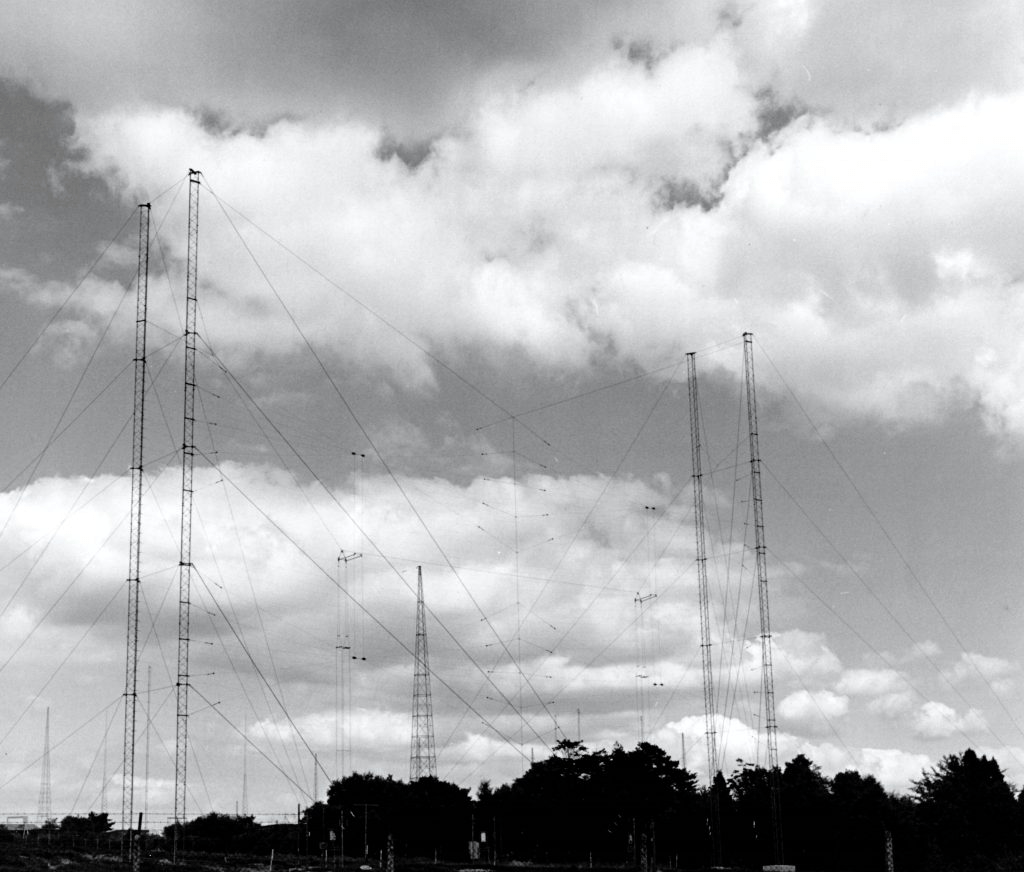
During the Second World War, the battle for the Atlantic was fought not only with torpedoes, depth charges, and convoy tactics, but also with microphones, turntables, and carefully scripted lies. One of the most sophisticated weapons in Britain’s psychological warfare arsenal was a clandestine radio station with an impressively official-sounding name: Deutscher Kurzwellensender Atlantik (“German Shortwave Station Atlantic”), often shortened to Atlantiksender.
This was not a German station at all. It was a British-run deception operation designed to slip into the daily listening habits of German naval personnel — especially U-boat crews — and subtly undermine their confidence, morale, and trust in the Nazi system. What emerged was one of the most technically and psychologically refined propaganda efforts of the war.
A Fake German Voice with a British Microphone
Atlantiksender was created under the direction of Sefton Delmer, a journalist who became one of Britain’s leading figures in “black propaganda” — material that hides its true origin and pretends to come from inside the enemy’s own world. Delmer worked for the Political Warfare Executive (PWE), the British body responsible for coordinating psychological operations against Axis powers.
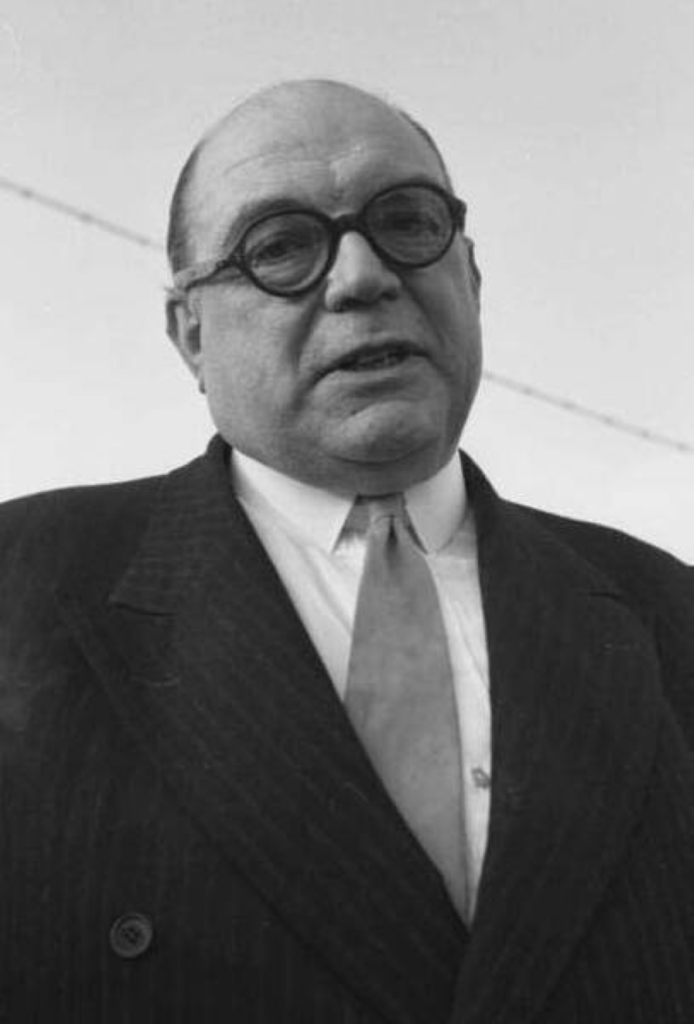
Unlike “white” propaganda, which openly declared its Allied source, Atlantiksender posed as a genuine German station. Its announcers spoke flawless German, used authentic slang and naval terminology, and adopted the tone of insiders who were loyal to Germany but skeptical of the Nazi leadership. The goal was not to sound like the BBC criticizing Hitler from London. The goal was to sound like disillusioned comrades telling uncomfortable truths over the air.
Broadcasting to the U-boats
The station began operating on February 5, 1943 and continued until the end of the war in Europe in May 1945. Its signals were transmitted from Britain using powerful shortwave equipment, including facilities capable of reaching far into the Atlantic. This made it ideal for targeting Kriegsmarine sailors, particularly those serving on U-boats who relied heavily on radio for news and entertainment during long, tense patrols.
Life aboard a U-boat was claustrophobic, monotonous, and psychologically exhausting. Crews were cut off from normal social life, faced constant danger, and had limited access to reliable information. Atlantiksender was crafted to slip into that environment as a familiar, comforting presence — music, news, and chatter from “home.” Once trust was established, the station could begin to bend perceptions.
Music First, Subversion Second
One of the station’s most effective techniques was deceptively simple: play great music.
Atlantiksender aired popular German songs, swing, and dance music — some of which was restricted or frowned upon by Nazi cultural authorities. The music gave the station entertainment value, encouraging repeat listening. It also subtly contrasted with the increasingly rigid and joyless tone of official Nazi broadcasts.
Between songs, announcers would read news bulletins that were often factually accurate, especially regarding military setbacks that German authorities were downplaying. This accuracy was essential. By consistently getting verifiable details right, the station built a reputation for credibility. Only then would it introduce carefully shaped narratives:
Emphasizing the heavy losses of U-boats
Suggesting that high command was incompetent or indifferent to sailors’ lives
Highlighting corruption, privilege, or hypocrisy among Nazi elites
Portraying the war as increasingly hopeless
The message was rarely “Germany must surrender.” Instead, it was: “You are being misled, sacrificed, and abandoned by those in power.” That distinction made the content feel less like enemy propaganda and more like insider realism.

The Illusion of Inside Knowledge
One of Atlantiksender’s most unsettling features for its listeners was its apparent access to detailed operational information. Broadcasts sometimes referred to recent sinkings, unit movements, or conditions in specific ports. Even when this information came from open sources or clever inference, it created the impression that British intelligence had penetrated German systems deeply.
For a submariner already living with the fear of being hunted, this suggestion — that the enemy seemed to know everything — could be profoundly demoralizing. Psychological warfare here blended with the broader Allied signals-intelligence effort: the radio war reinforced the sense that Germany was losing not just materially, but informationally.
Not Quite Believed — But Still Heard
Interestingly, many German listeners likely suspected or even knew that Atlantiksender was not an official German station. But that did not necessarily stop them from tuning in. The mix of music, more candid news, and a less strident tone made it attractive regardless of its true origin. In a tightly controlled information environment, even a suspected enemy source could be valued if it felt more truthful than state media.
This points to a key insight of Delmer’s strategy: propaganda does not have to be fully believed to be effective. It only has to introduce doubt, weaken certainty, and provide alternative frames for interpreting events.
The Final Phase
As Germany’s situation collapsed in 1945, Atlantiksender’s tone shifted to reflect imminent defeat. Broadcasts increasingly emphasized the futility of continued resistance and the human cost of prolonging the war. In late April 1945, messages even urged U-boat crews to stop fighting, reflecting the rapidly disintegrating military and political situation. The station ceased operations with Germany’s surrender in May 1945.
A Different Kind of Weapon
Deutscher Kurzwellensender Atlantik never sank a ship or fired a shot. Its battlefield was the inner world of its listeners: morale, trust, fear, and hope. It demonstrated that modern warfare includes a struggle over perception as much as territory.
In the broader history of psychological operations, Atlantiksender stands out for its blend of entertainment, authenticity, and targeted messaging. Rather than shouting at the enemy, it pulled up a chair, played a record, and quietly suggested that the war — and the system behind it — was not what German sailors had been told.
In a conflict defined by industrial-scale destruction, this quiet, persistent voice in the headphones of men at sea was a reminder that sometimes the most effective weapons are the ones that sound like they belong.
Sources
https://www.deutsche-digitale-bibliothek.de/item/5DWC4ZN6H644YOP7VUSZ5VOITY3DIFMT
https://en.wikipedia.org/wiki/Deutscher_Kurzwellensender_Atlantik
https://www.ardaudiothek.de/episode/urn:ard:publication:a5e787f003524059/
Donation
Your readership is what makes my site a success, and I am truly passionate about providing you with valuable content. I have been doing this at no cost and will continue to do so. Your voluntary donation of $2 or more, if you are able, would be a significant contribution to the continuation of my work. However, I fully understand if you’re not in a position to do so. Your support, in any form, is greatly appreciated. Thank you. To donate, click on the credit/debit card icon of the card you will use. If you want to donate more than $2, just add a higher number in the box left from the PayPal link. Your generosity is greatly appreciated. Many thanks.
$2.00
 History of Sorts
Leave a comment