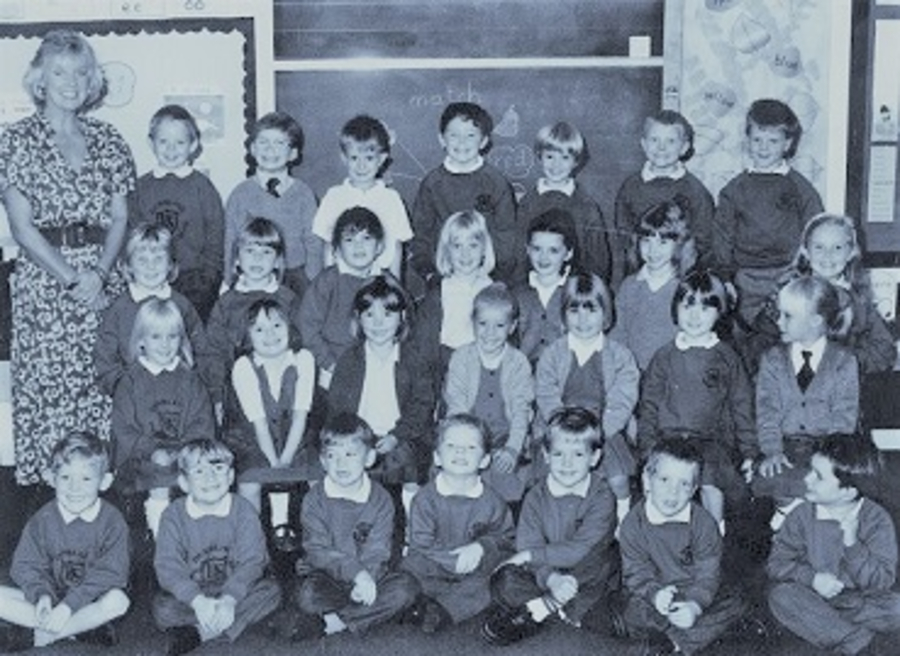
The Dunblane massacre was one of the most traumatic crimes in modern British history. It occurred on 13 March 1996 in the small town of Dunblane and led to sweeping changes in firearm legislation across the United Kingdom. The attack targeted young schoolchildren and remains one of the deadliest mass shootings in British history. Its aftermath reshaped national attitudes toward gun ownership and public safety.
Background and Context
The massacre took place at Dunblane Primary School, a primary school serving the local community. On the morning of 13 March 1996, a 43-year-old man, Thomas Hamilton, entered the school armed with several legally owned handguns and hundreds of rounds of ammunition.
Hamilton had previously been involved in youth organizations and had operated boys’ clubs in Scotland, though concerns about his behavior had been raised in the past. Despite complaints and scrutiny from authorities, he retained legal access to firearms under the regulations that existed at the time.
The Attack
At approximately 8:15 a.m. on 13 March 1996, Thomas Hamilton, aged 43, was seen scraping ice from his van outside his home on Kent Road in Stirling. Shortly afterwards, he left and drove roughly five miles (eight kilometres) north toward Dunblane.
Hamilton arrived at the grounds of Dunblane Primary School at around 9:30 a.m. and parked his van beside a telegraph pole in the school car park. He then cut the telephone cables at the base of the pole that served nearby houses before walking across the car park toward the school buildings.
He approached the north-west side of the school, entering through a door near the toilets and the school gymnasium. Once inside, he proceeded to the gymnasium carrying four legally owned handguns: two 9mm Browning HP pistols and two Smith & Wesson Model 19 .357 Magnum revolvers. Hamilton was also carrying 743 rounds of ammunition, including 501 9mm cartridges and 242 .357 Magnum cartridges.
Inside the gymnasium was a class of 28 Primary 1 pupils preparing for a physical education lesson, supervised by three members of staff.
At approximately 9:30 a.m., Hamilton entered the school building and made his way to the gymnasium where a physical education class of five- and six-year-old students was underway. Within minutes he opened fire on the children and their teacher.
The attack resulted in the deaths of 16 children and one teacher, Gwen Mayor, who attempted to protect the pupils. Many others were injured before Hamilton ended the attack by taking his own life.
The brutality and randomness of the shooting shocked the entire country. Emergency services responded rapidly, but the attack had been carried out in a very short period of time, leaving little opportunity for intervention.
National Reaction
The news of the massacre spread quickly across the United Kingdom and internationally. The scale of the tragedy—particularly the young age of the victims—generated widespread grief and outrage. Vigils and memorial services were held throughout the country.
Public attention quickly focused on the issue of firearm control. Many people questioned how Hamilton had been able to legally obtain and retain multiple handguns despite previous complaints about his behavior.
One of the most influential responses was the Snowdrop Campaign, a grassroots movement organized largely by families of victims and supporters advocating strict gun control. The campaign collected hundreds of thousands of signatures calling for a ban on private ownership of handguns.
Legislative Consequences
The political response culminated in significant legislative reform. In 1997, the British government passed the Firearms (Amendment) Act 1997, introduced under Prime Minister John Major. This law effectively banned most private ownership of handguns in Great Britain.
Later that same year, the newly elected government led by Tony Blair strengthened the legislation with the Firearms (Amendment) (No. 2) Act 1997, which extended the prohibition to nearly all handguns, with very limited exceptions for certain sporting contexts.
These laws created some of the strictest gun regulations in the world and remain a defining aspect of British firearm policy.
Impact on the Community
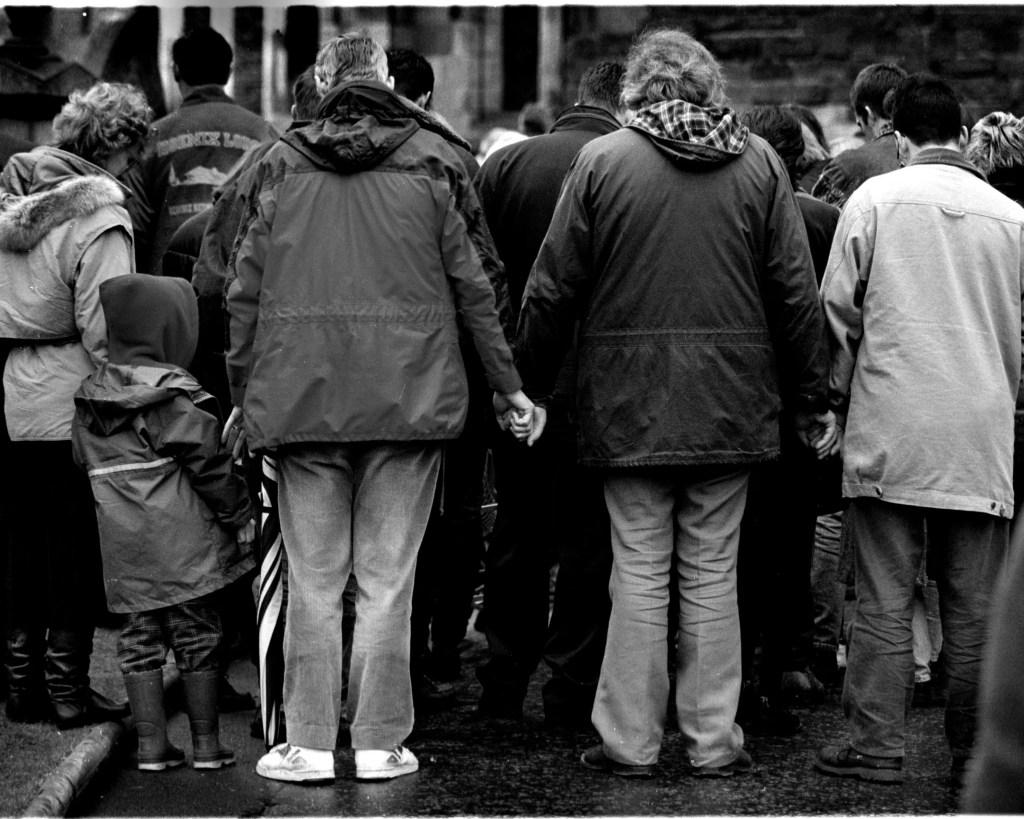
For the town of Dunblane, the massacre had long-lasting social and emotional consequences. The victims’ families and the wider community endured profound grief, but they also demonstrated resilience and solidarity.
Memorials were established in Dunblane to honor those who died. The school itself continued operating after renovation and memorialization efforts intended to preserve the memory of the victims while supporting the community’s recovery.
One of the surviving pupils from the school was Andy Murray, who later became a world-renowned tennis champion. Murray has spoken publicly about the lasting impact the event had on the community and on his own childhood.
Historical Significance
The Dunblane massacre occupies a pivotal place in discussions of gun violence, public safety, and legislative reform. It demonstrated how a single tragic event can transform national policy and public opinion.
In contrast with some other countries where firearm policy debates remain deeply polarized, the Dunblane tragedy produced a relatively broad political consensus in the United Kingdom for stronger gun control. The resulting legislation significantly reduced civilian handgun ownership and is often cited internationally as a case study in rapid regulatory change following mass violence.
The Dunblane massacre remains a defining tragedy in British history. The loss of 16 children and their teacher profoundly shocked the nation and prompted a collective demand for change. Through public activism and legislative action, the event reshaped the United Kingdom’s gun laws and left a lasting legacy in debates over firearm regulation and public safety.
While the memory of the victims continues to be honored in Dunblane and across the country, the tragedy also serves as a reminder of the importance of vigilance, responsible governance, and community resilience in the face of violence.
sources
https://www.bbc.com/news/articles/cp9m8zmxe25o
https://www.crimeandinvestigation.co.uk/crime-files/dunblane-massacre
 History of Sorts
Leave a comment