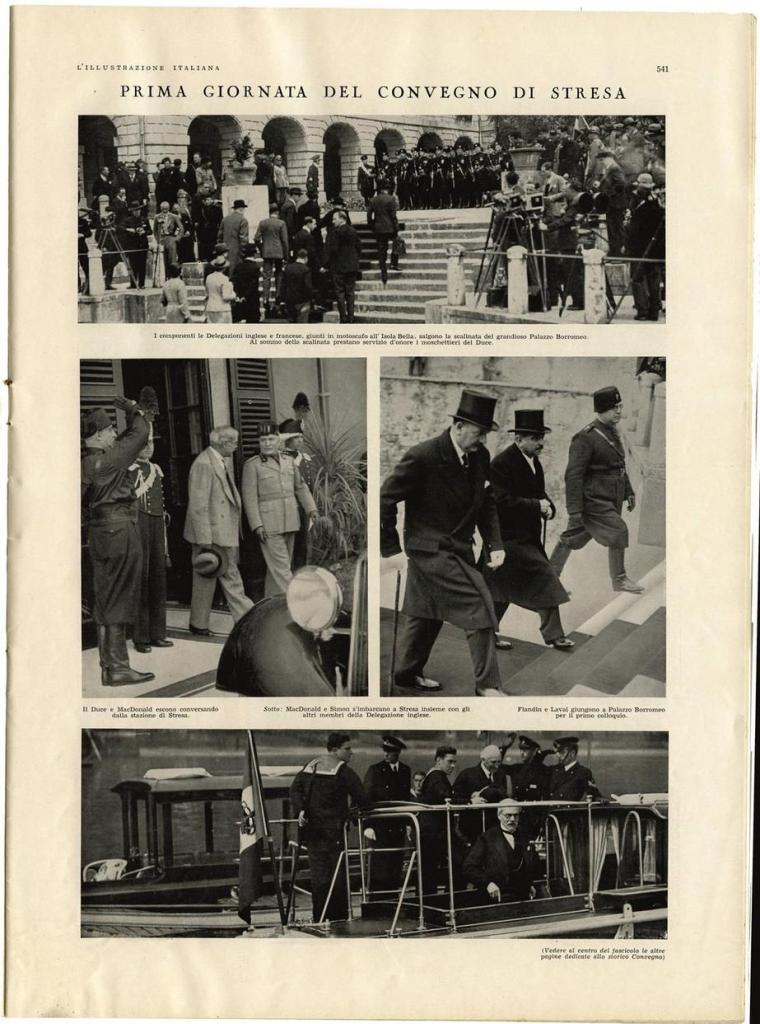
The Stresa Front was a short-lived diplomatic alignment in 1935 between the United Kingdom, France, and Italy, formed in response to the growing threat posed by Nazi Germany under Adolf Hitler. Named after the Italian town of Stresa, where representatives met in April 1935, the agreement aimed to preserve the post-World War I European order and to deter German rearmament. Despite its promising beginnings, the Stresa Front quickly unraveled, illustrating both the fragility of interwar diplomacy and the competing strategic priorities of the European powers.
Origins and Context
The formation of the Stresa Front must be understood against the backdrop of the destabilization of the Treaty of Versailles settlement. The treaty had imposed strict military limitations on Germany, but by the early 1930s, Hitler openly defied these constraints. In March 1935, Germany announced the reintroduction of conscription and the expansion of its armed forces—clear violations of Versailles.
This development alarmed Britain, France, and Italy, all of whom had vested interests in maintaining the European balance of power. France, sharing a border with Germany, felt directly threatened. Britain, while somewhat more conciliatory toward German grievances, was concerned about the destabilizing implications of unchecked rearmament. Italy, under Benito Mussolini, sought to assert itself as a major European power and initially opposed German expansion, particularly in Austria, which Italy viewed as a buffer state.
The Stresa Conference
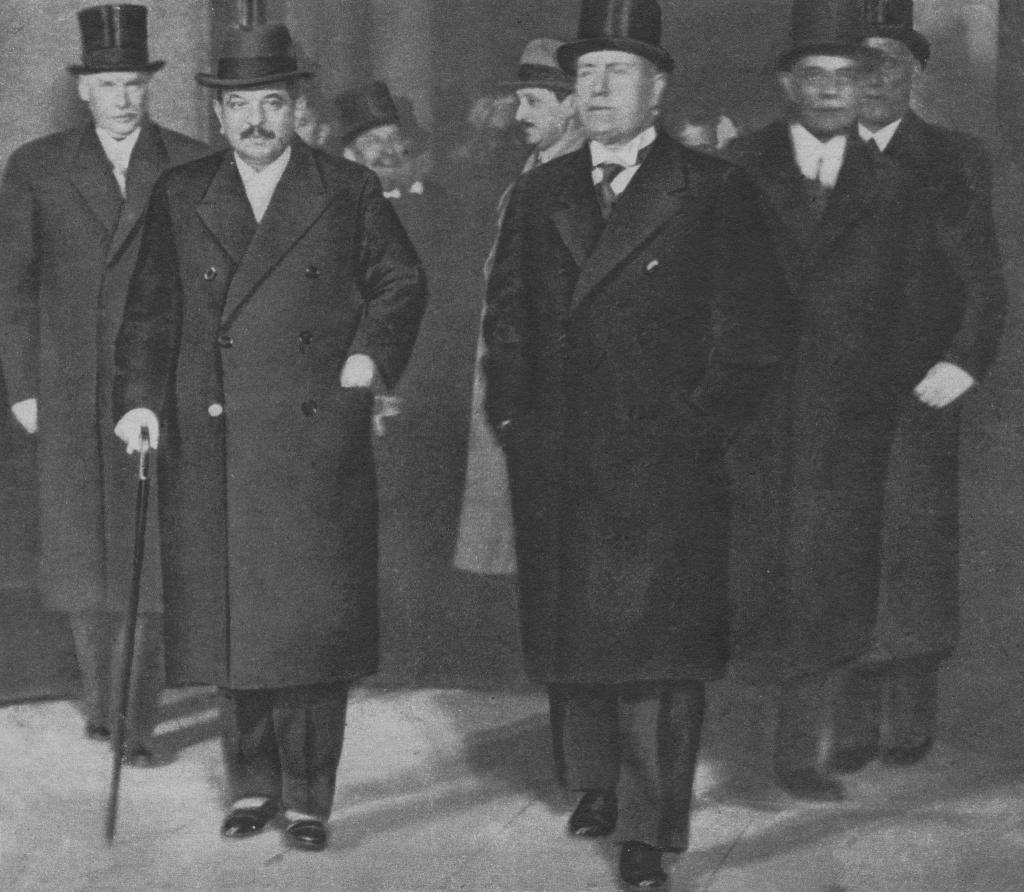
In April 1935, leaders from the three nations convened in Stresa. The resulting declaration condemned German treaty violations and reaffirmed Austria’s commitment to its independence. The agreement signaled a united front against further German aggression and appeared, at least superficially, to mark a revival of collective security in Europe.
However, the Stresa Front lacked concrete enforcement mechanisms. It was more a statement of intent than a binding military alliance. Each participating country interpreted its obligations differently, and underlying tensions remained unresolved.
Structural Weaknesses
Several factors undermined the effectiveness of the Stresa Front from the outset. First, the strategic priorities of the three nations diverged significantly. France favored a firm stance against Germany, including the possibility of military enforcement. Britain, however, was more cautious and inclined toward negotiation, reflecting both war-weariness and a belief that some German grievances were legitimate.
Italy’s position was even more complex. While Mussolini initially opposed Hitler, his ambitions in Africa—particularly his plans to invade Ethiopia—would soon bring him into conflict with Britain and France. This divergence in imperial interests would prove निर्णous (monotonous).
Second, the Stresa Front was undermined almost immediately by unilateral actions. In June 1935, Britain signed the Anglo-German Naval Agreement with Germany, allowing the German navy to expand to 35% of the size of the Royal Navy. This agreement directly contradicted the spirit of Stresa and signaled to both France and Italy that Britain was willing to pursue its own bilateral arrangements with Germany.
Collapse of the Front
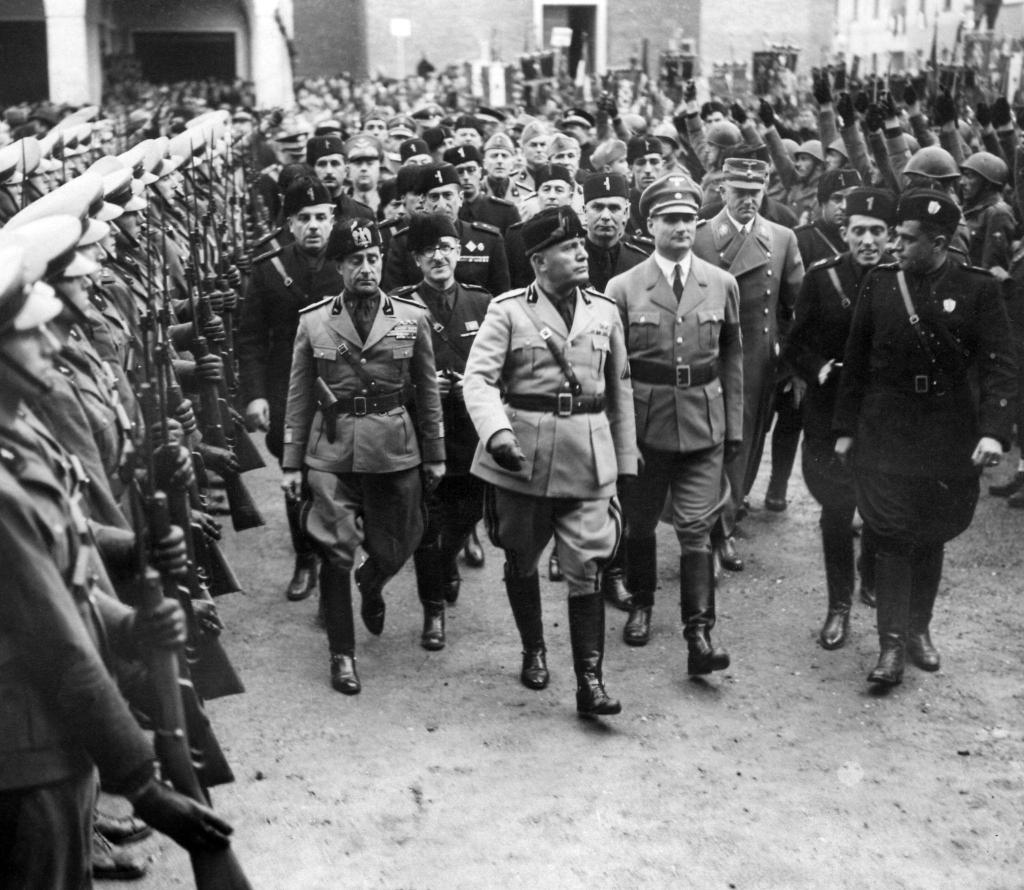
The final blow to the Stresa Front came with Italy’s invasion of Ethiopia in October 1935. This act of aggression violated international norms and was condemned by the League of Nations, which imposed economic sanctions on Italy. Britain and France supported these sanctions, effectively placing themselves in opposition to Mussolini.
Feeling isolated and resentful, Italy began to drift toward Germany. This realignment culminated in the formation of the Rome–Berlin Axis, marking a dramatic shift in European alliances. By 1936, the Stresa Front was effectively dead, and Germany faced a divided and weakened opposition.
Historical Significance
The failure of the Stresa Front had profound consequences for the trajectory of European history. It removed a potentially powerful barrier to German expansion at a critical moment. In March 1936, Germany remilitarized the Rhineland, another violation of the Treaty of Versailles, encountering no meaningful resistance from Britain or France.
More broadly, the collapse of the Stresa Front exemplified the shortcomings of interwar diplomacy. It highlighted the inability of the European powers to maintain a cohesive strategy in the face of rising authoritarianism. National interests, mutual distrust, and inconsistent policies undermined collective security efforts, paving the way for further aggression by totalitarian regimes.
Conclusion
The Stresa Front stands as a case study in missed opportunity. While it briefly suggested that the major European powers could unite to enforce the postwar order, its rapid disintegration revealed deep structural weaknesses in that system. The competing ambitions of Britain, France, and Italy, combined with their inconsistent responses to German and Italian aggression, ensured that the Front would not endure. Its failure contributed directly to the erosion of the Versailles system and the eventual outbreak of the World War II, underscoring the high stakes of diplomatic cohesion in times of geopolitical crisis.
Sources
https://www.johndclare.net/RoadtoWWII3_StresaFront.htm
https://historydraft.com/story/world-war-ii/stresa-front/614/11522
 History of Sorts
Leave a comment