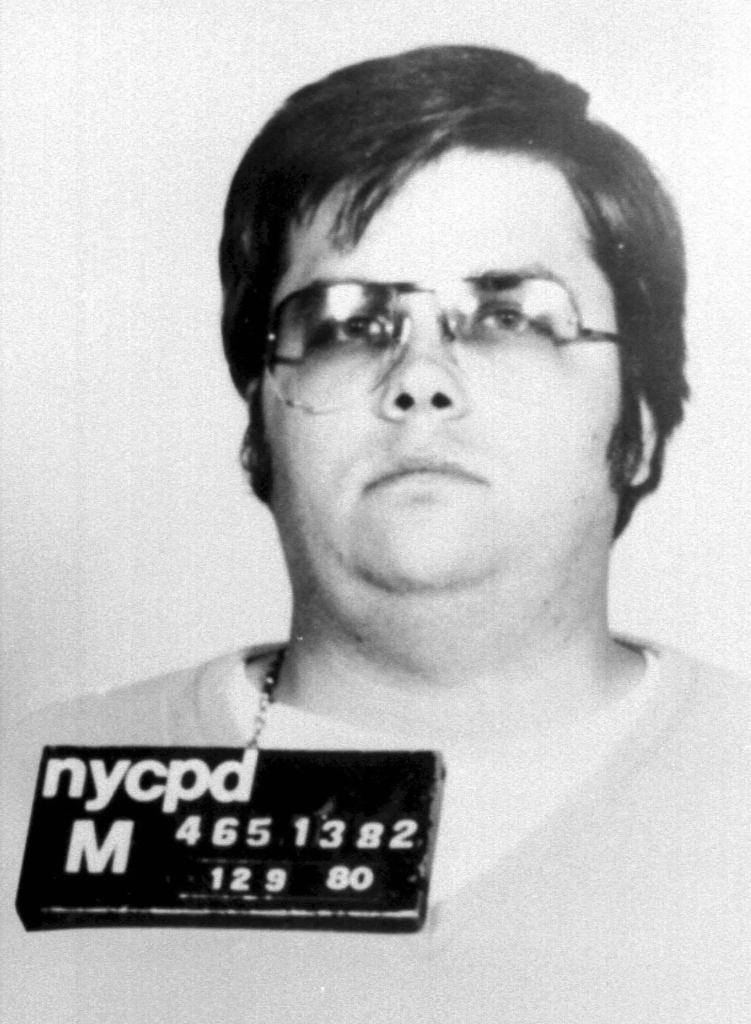
This blog provides a structured psychological overview of Mark David Chapman, the individual responsible for the 1980 murder of musician John Lennon. Drawing upon documented interviews, legal testimony, and secondary analyses from criminology and psychology scholars, the essay examines key psychological themes associated with Chapman, including identity instability, obsessive ideation, parasocial attachment, and the role of symbolic narratives in violent behavior. This is a non-diagnostic, descriptive analysis intended to contextualize existing public knowledge about Chapman’s psychological functioning.
Introduction
The murder of John Lennon by Mark David Chapman on December 8, 1980, has remained a subject of psychological and criminological inquiry for more than four decades. Chapman’s actions appeared to arise not from spontaneous aggression but from a prolonged period of psychological preoccupation and internally constructed meaning. His post-arrest statements, interviews, and historical background collectively offer insight into the psychological mechanisms that may have contributed to the crime. This essay synthesizes publicly available information to outline prominent psychological themes in Chapman’s behavior leading to the homicide.
Background and Developmental Factors
Chapman’s developmental history provides context for understanding his later psychological vulnerabilities. Accounts of his childhood indicate social isolation, susceptibility to bullying, and reliance on fantasy-based coping mechanisms. Research in developmental psychology suggests that chronic childhood isolation can contribute to impaired identity formation and increased dependence on internal fantasy to regulate distress.
Throughout adolescence, Chapman displayed fluctuating self-concepts and inconsistent role commitments—features that align with what Eriksonian theorists describe as identity diffusion. His attempts to seek belonging through religious groups, musical fandom, and various occupational roles appeared to provide temporary stability, but none of these commitments were sustained across time.
Identity Instability and Role Conflict
Chapman’s adult life reflected continuing struggles with identity integration. Witness accounts and interviews depict him shifting among disparate identities, including devoted Christian youth counselor, disillusioned former fan of popular culture, and self-appointed moral critic of perceived cultural “phoniness.”
Criminological literature emphasizes that identity instability may elevate vulnerability to violent ideation when individuals perceive high levels of discrepancy between their actual self and an idealized self. Chapman’s self-reports suggest he perceived such a discrepancy intensely: he described feeling insignificant, invisible, and morally conflicted. These tensions appear to have contributed to a psychological state in which externalizing blame toward symbolic figures became a means of resolving internal conflict.
Obsessive Ideation and Parasocial Dynamics
A substantial portion of commentary on Chapman’s psychological profile focuses on his obsessive tendencies. His fixation on public figures, including John Lennon, fit the pattern of extreme parasocial attachment—an intensified, unilateral relationship with a public persona. In Chapman’s case, admiration and resentment coexisted and eventually became intertwined.
Parasocial attachment theory indicates that such relationships can become destabilizing when the public figure behaves in ways perceived as contradictory to the admirer’s values. Chapman interpreted Lennon’s public life—particularly references to wealth and statements about religion—as inconsistent with the personal meaning he had derived from Lennon’s music. This perceived contradiction generated cognitive dissonance, which Chapman attempted to reconcile through increasingly rigid and hostile ideation.
The Symbolic Role of The Catcher in the Rye
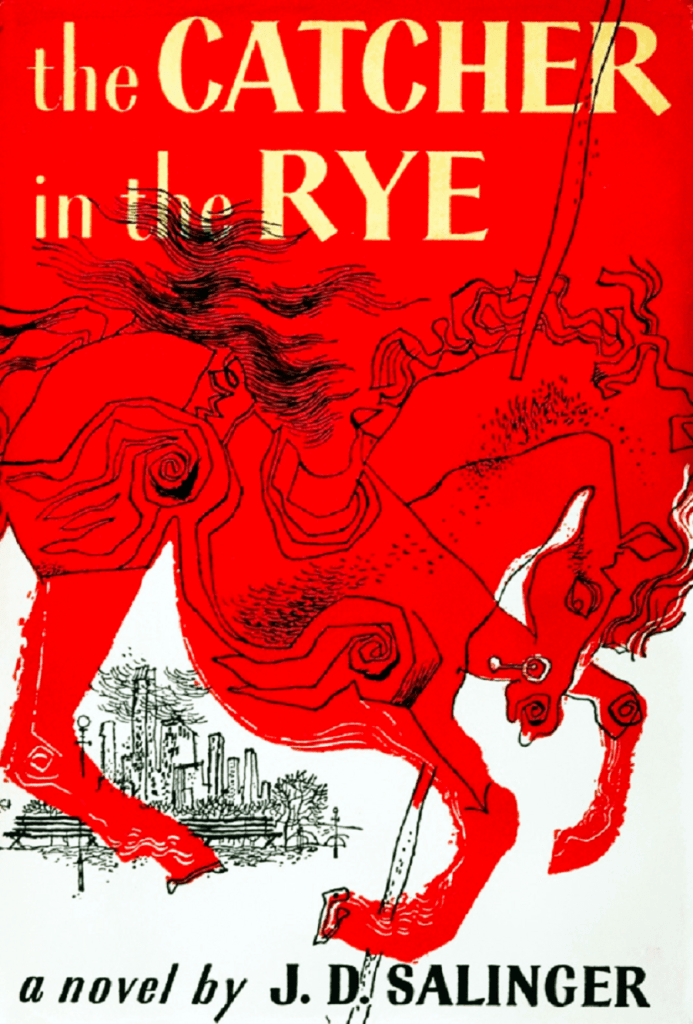
Chapman’s relationship to The Catcher in the Rye represents a salient symbolic dimension of his psychological world. He has stated that he identified profoundly with Holden Caulfield’s denunciation of inauthenticity and “phoniness.” For Chapman, the novel became more than literature; it functioned as a narrative script through which he imposed structure and meaning on his internal conflicts.
In forensic psychology, the adoption of fictional or ideological narratives as frameworks for violent action is understood as a mechanism for moral disengagement. Chapman’s self-concept as a defender of authenticity—however distorted—appears to have supported a narrative in which violence was rationalized as a symbolic act rather than a personal crime.
The Search for Significance and Public Recognition
A recurring topic in analyses of Chapman’s motivations is his stated desire for notoriety. Some forensic scholars interpret this not as a simple craving for fame, but as an attempt to resolve chronic feelings of insignificance. Research on “significance quest theory” suggests that individuals experiencing existential insignificance may pursue extreme actions that promise a sense of importance or legacy.
Chapman’s own reflections in parole hearings reveal ambivalence: he has both acknowledged and denied that notoriety played a role. This inconsistency corresponds with the broader pattern of internal conflict that characterizes his psychological history.
The Events of December 8, 1980: The Murder of John Lennon
On the evening of December 8, 1980, John Lennon’s life was cut short outside the Dakota apartment building in New York City. The day began uneventfully for Lennon and his wife, Yoko Ono, who spent the morning in their apartment discussing upcoming projects. In the early afternoon, Annie Leibovitz arrived to photograph the couple for Rolling Stone, producing what would become one of the most iconic images of Lennon. Later, a crew from RKO Radio conducted a lengthy interview in which Lennon spoke optimistically about the future, expressing enthusiasm for new music and personal renewal.
Throughout the day, Mark David Chapman lingered outside the Dakota. He had flown to New York specifically to confront Lennon, carrying a copy of The Catcher in the Rye and a .38 caliber revolver. When Lennon and Ono left for a recording session at the Record Plant around 5:00 p.m., Chapman approached Lennon and asked him to sign his copy of the Double Fantasy album. Lennon obliged without hesitation, unaware of Chapman’s intentions.
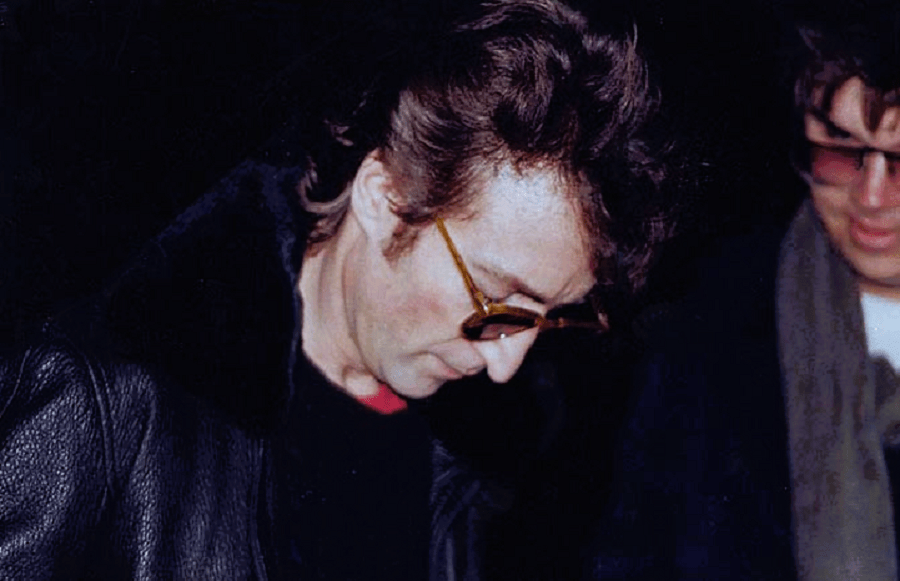
After completing their studio work, Lennon and Ono returned to the Dakota shortly before 11:00 p.m. As they walked through the archway toward the building’s entrance, Chapman stepped from the shadows. From a short distance behind Lennon, he fired five shots, four of which struck Lennon in the back and shoulder. Building staff rushed to restrain Chapman, who made no attempt to flee. Police arrived within minutes and transported the gravely wounded Lennon to Roosevelt Hospital. Despite emergency efforts, Lennon was pronounced dead at 11:15 p.m.
News of the murder spread rapidly, triggering global shock and mourning. Crowds gathered outside the Dakota and in cities around the world, holding vigils for the musician whose message had long been one of peace. The events of that night crystallized one of the most tragic intersections of celebrity, obsession, and violence in modern cultural history.
Post-Crime Reflections and Psychological Ambivalence
Since his incarceration, Chapman has expressed remorse and described the homicide as senseless and spiritually misguided. Yet his narratives across interviews and hearings often shift in emphasis, reflecting ongoing ambivalence. This variability does not necessarily indicate deception; rather, it may reflect longstanding difficulty integrating competing beliefs and motivations into a coherent self-understanding.
Mark David Chapman’s psychological profile, as derived from publicly documented sources, reveals a pattern characterized by identity instability, obsessive ideation, symbolic narrative dependence, and a pronounced need for personal significance. These elements interacted within a context of longstanding isolation and internalized conflict, culminating in a violent act that he later framed as both symbolic and deeply regretted.
While no psychological analysis can fully explain Chapman’s actions, examining these contributing factors provides insight into how complex internal processes can intersect with cultural symbols and personal crises to produce catastrophic outcomes.
sources
https://www.britannica.com/biography/Mark-David-Chapman
https://edition.cnn.com/2013/03/23/us/mark-david-chapman-fast-facts/index.html
https://people.com/john-lennon-death-what-to-know-7511226
https://en.wikipedia.org/wiki/Mark_David_Chapman
https://en.wikipedia.org/wiki/John_Lennon
Donation
Your readership is what makes my site a success, and I am truly passionate about providing you with valuable content. I have been doing this at no cost and will continue to do so. Your voluntary donation of $2 or more, if you are able, would be a significant contribution to the continuation of my work. However, I fully understand if you’re not in a position to do so. Your support, in any form, is greatly appreciated. Thank you. To donate, click on the credit/debit card icon of the card you will use. If you want to donate more than $2, just add a higher number in the box left from the PayPal link. Your generosity is greatly appreciated. Many thanks.
$2.00
 History of Sorts
Leave a comment