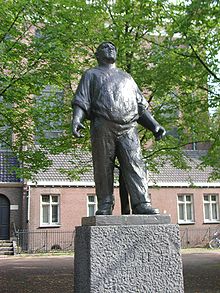
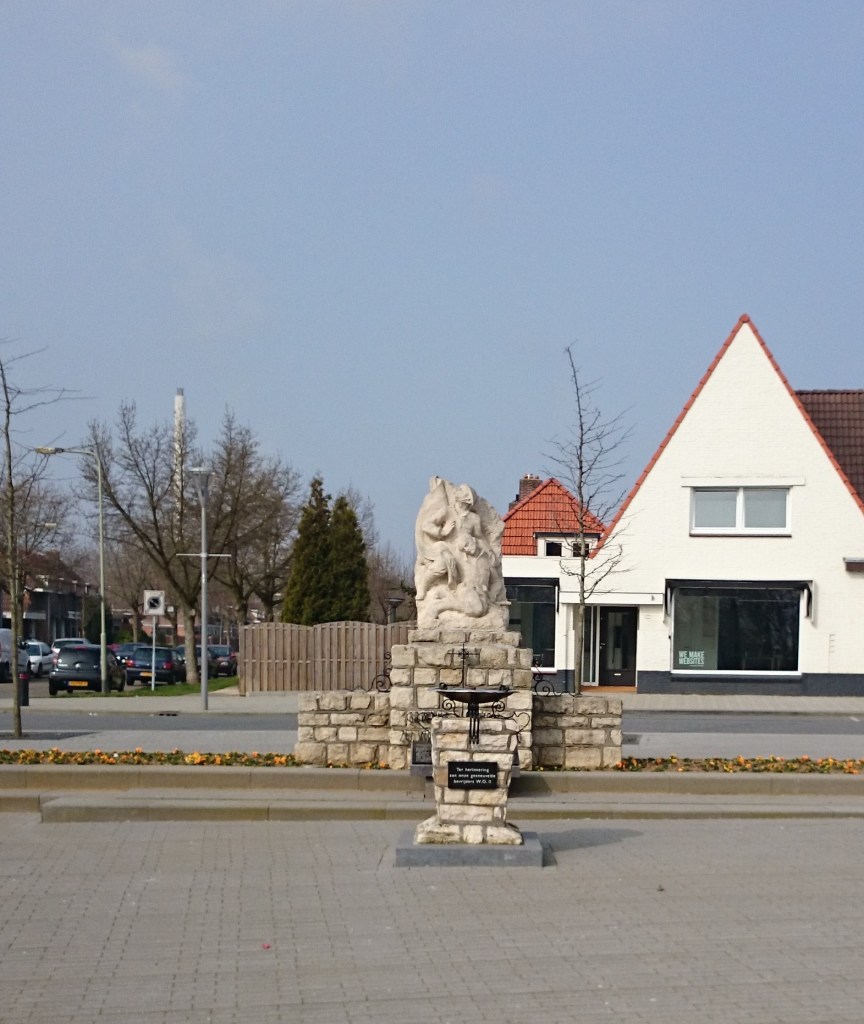
I think the two monuments above are probably the best indicators of what the Dutch resistance entailed during World War II. On the left is the monument called “de Dokwerker,” the Dockworker. This was erected in Amsterdam to remember those who died during the “February Strike” in 1941. On the right is a monument to remember the resistance fighters and soldiers from my hometown of Geleen who fell during World War II and subsequent war in Indonesia, which was a Dutch colony at the time. The monument was built in the suburb of Lindenheuvel because the ones who fell were from that part of town.
The Dutch resistance movement came about because of two simple facts – outrage that their country had been invaded and sheer horror at what happened to the Dutch Jews. Holland had swiftly fallen as a result of the onslaught of Blitzkrieg in 1940. There were many in Nazi Germany, including Joseph Goebbels, who had hoped that many Dutch people would absorb National Socialism into their culture. In this, they were wrong. The Dutch rallied around their exiled royal family, and the Dutch resistance was to provide the Allies with valuable intelligence information.
It would be impossible for me to tell all the individual stories because there are literally thousands of them. I have already touched upon the stories of Hannie Schaft, Pierre Schunk, Frits Philips, and Major Bosshardt in earlier articles(I’ll put the links at the bottom of this one). I will also discuss a few events and people throughout this blog.
February 24, 1942: The February Strike
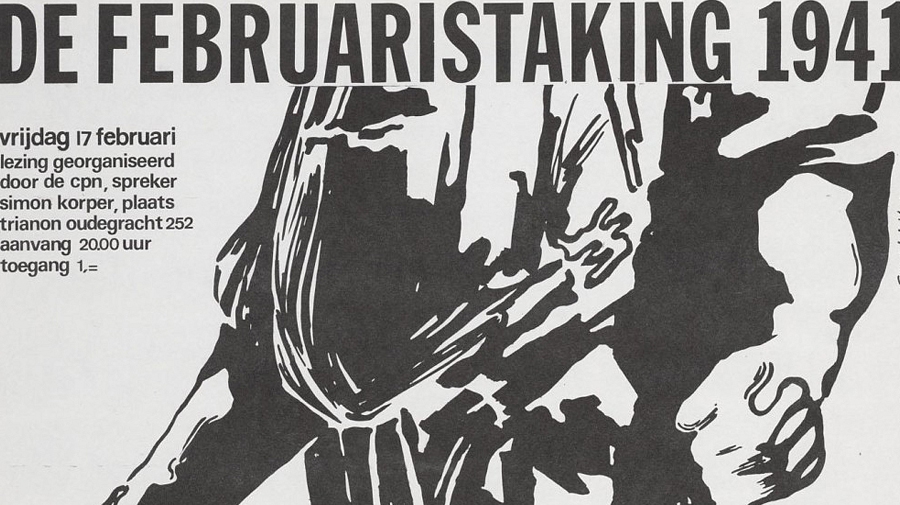
The Netherlands surrendered to Nazi Germany in May 1940, and the first anti-Jewish measures (the barring of Jews from the air-raid defense services) began in June 1940. These culminated in November 1940 in the removal of all Jews from public positions, including universities, which led directly to student protests in Leiden and elsewhere. At the same time, there was an increasing feeling of unrest amongst workers in Amsterdam, especially the workers at the shipyards in Amsterdam-Noord, who were threatened with forced labor in Germany.
Cause
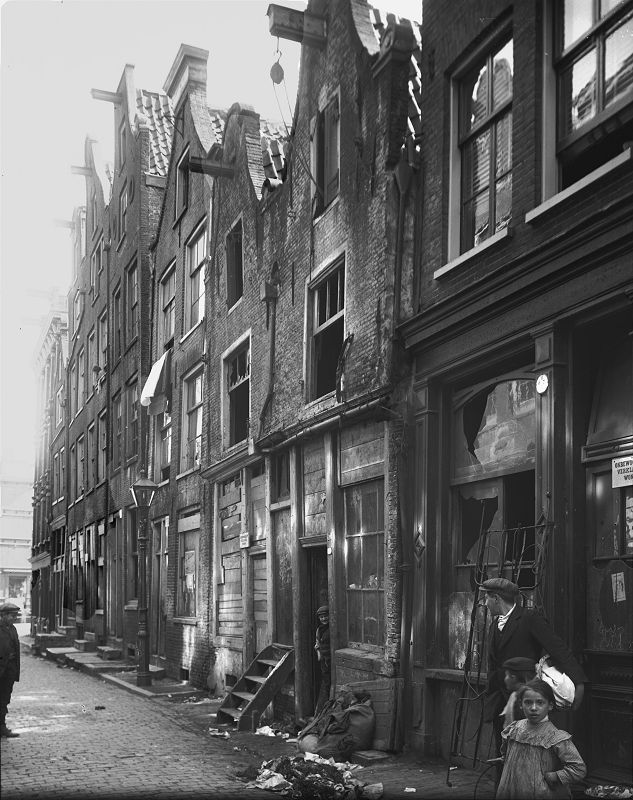
As tensions rose, the Dutch pro-Nazi movement NSB and its streetfighting arm, the WA (“Weerbaarheidsafdeling” – defense section), were involved in a series of provocations in Jewish neighborhoods in Amsterdam.
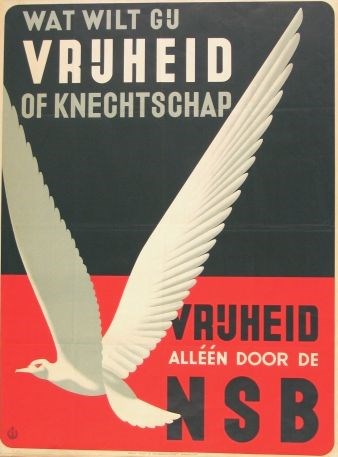
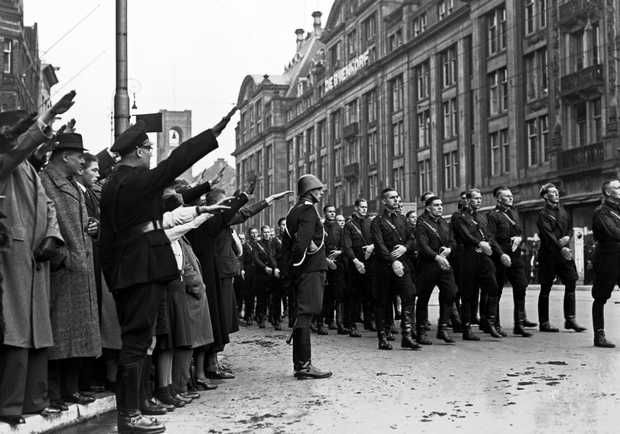
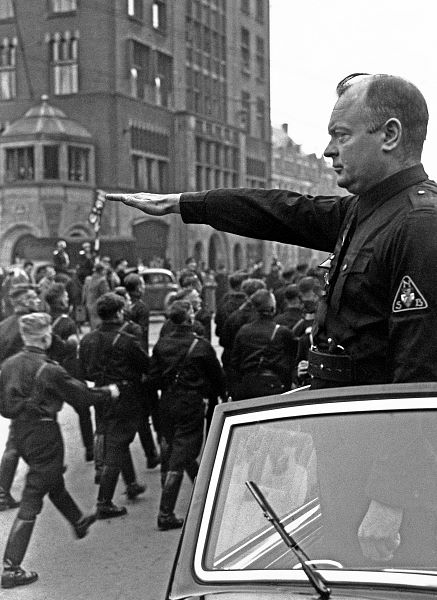
This eventually led to a series of street battles between the WA and Jewish self-defense groups and their supporters, culminating in a pitched battle on February 11, 1941, on the Waterlooplein in which WA member Hendrik Koot was severely wounded. He died of his injuries on February 14, 1941.
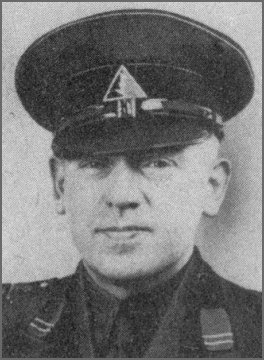
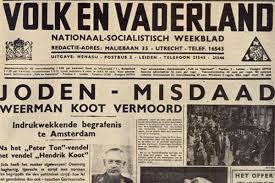
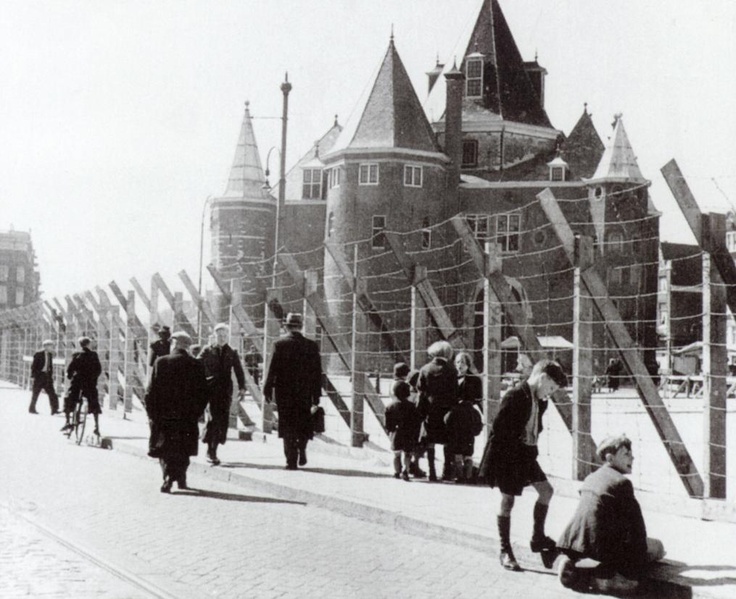
On February 12, 1941, German soldiers, assisted by Dutch police, encircled the old Jewish neighborhood and cordoned it off from the rest of the city by putting up barbed wire, opening bridges, and putting in police checkpoints. This neighborhood was now forbidden for non-Jews.
On February 19, the German Grüne Polizei (Ordnungspolizie) stormed into the Koco ice cream salon in the Van Woustraat.
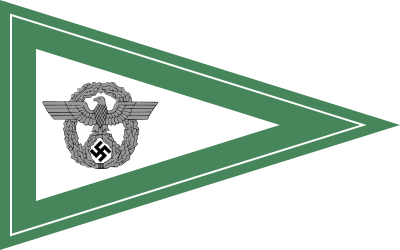
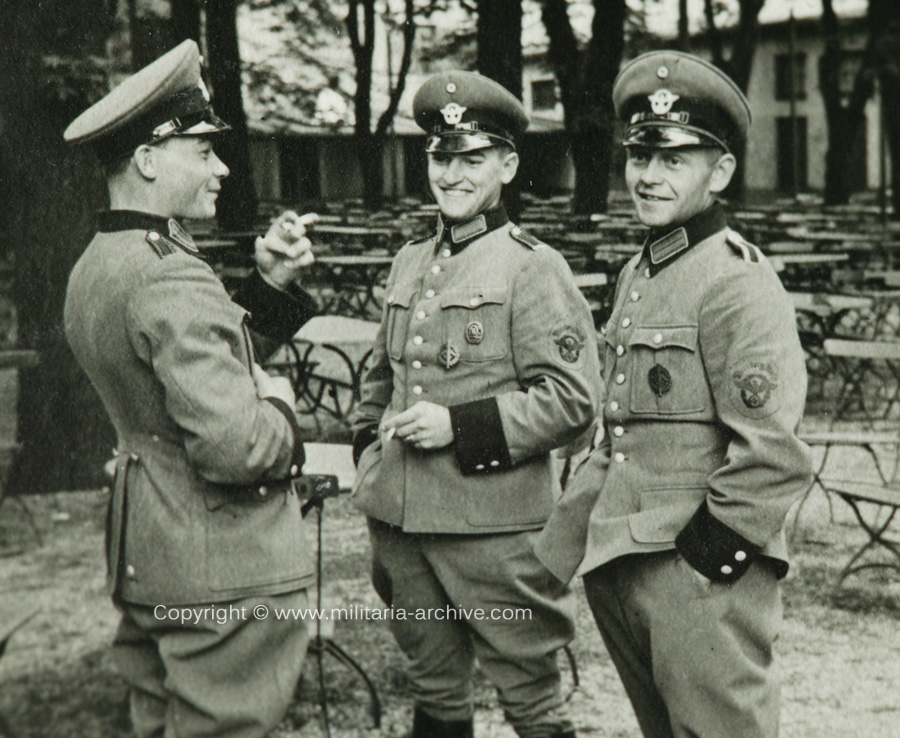
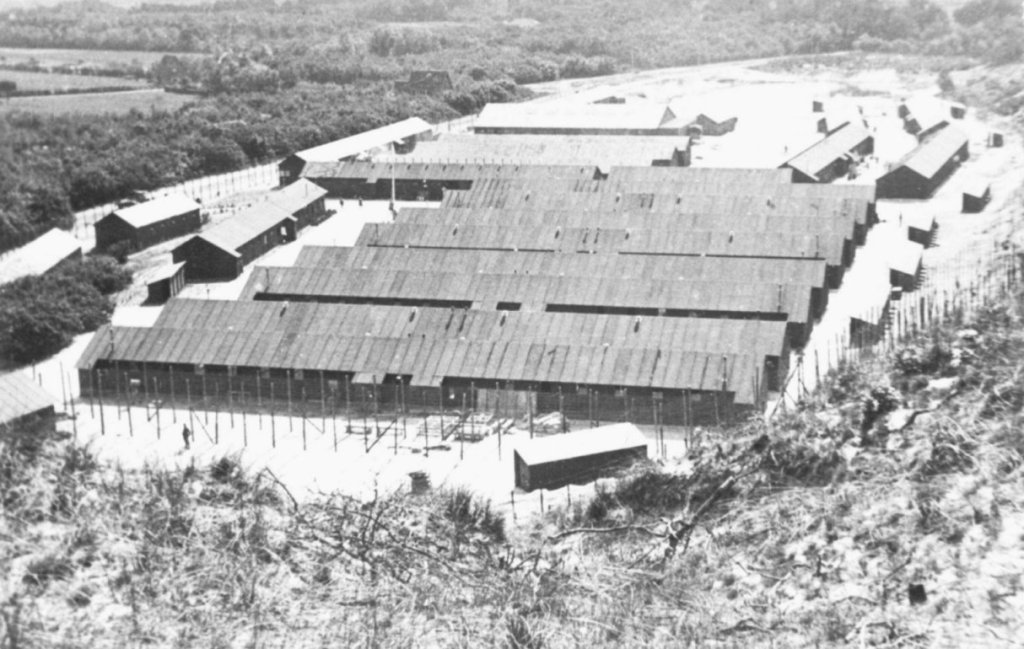
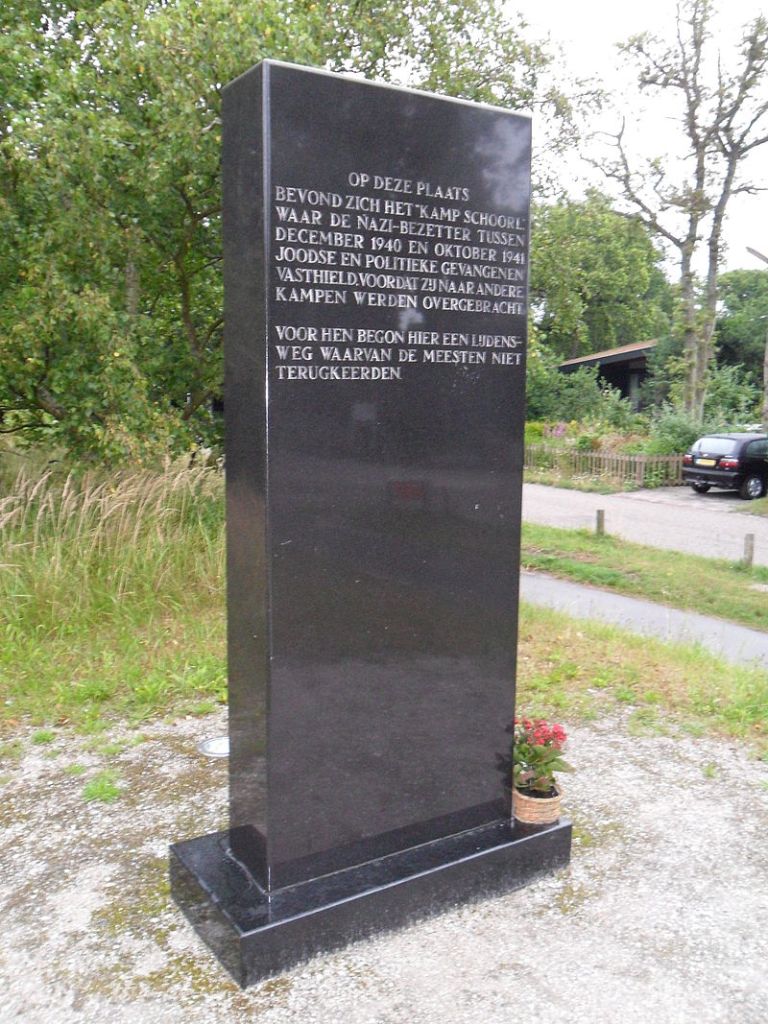
In the fight that ensued, several police officers were wounded. Revenge for this and other fights came in the weekend of February 22–23, when a large-scale pogrom was undertaken by the Germans. 425 Jewish men, ages 20-35, were taken hostage and imprisoned in Kamp Schoorl and eventually sent to the Buchenwald and Mauthausen concentration camps, where most of them died within the year. Out of 425, only two survived.
The Strike
Following this pogrom, on February 24, an open-air meeting was held on the Noordermarkt to organize a strike to protest against the pogrom as well as the forced labor in Germany.
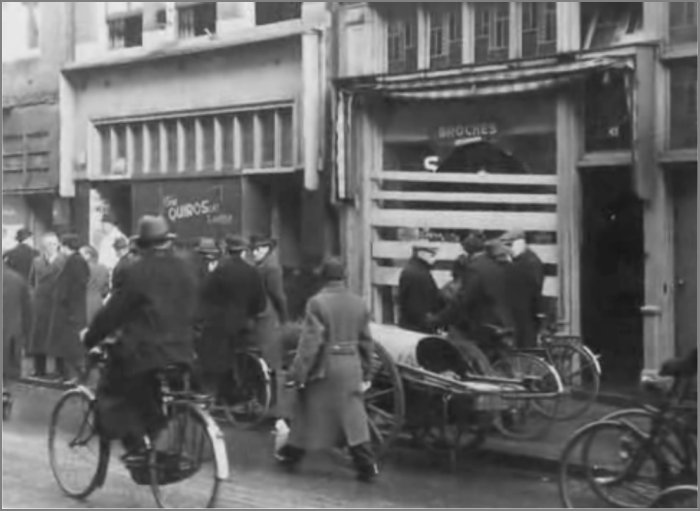
The Communist Party of the Netherlands made illegal by the Germans, printed and spread a call to strike throughout the city the next morning. The first to strike were the city’s tram drivers, followed by other city services, companies like De Bijenkorf, and schools.
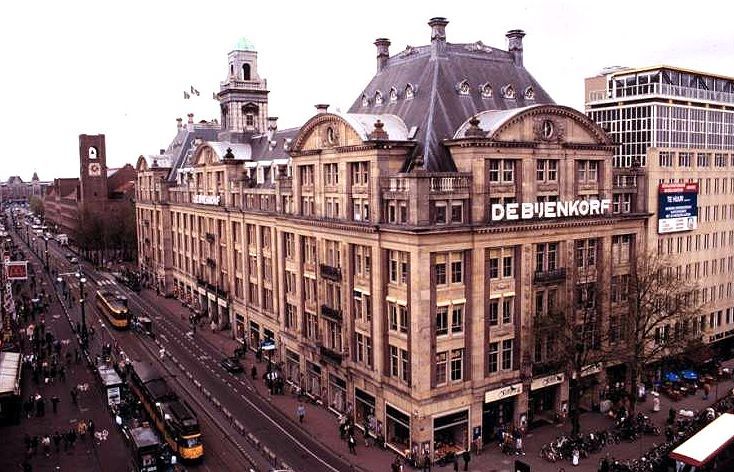
Eventually, 300,000 people joined in the strike, bringing much of the city to a halt and catching the Germans by surprise. Though the Germans immediately took measures to suppress the strike, which had grown spontaneously as other workers followed the example of the tram drivers,
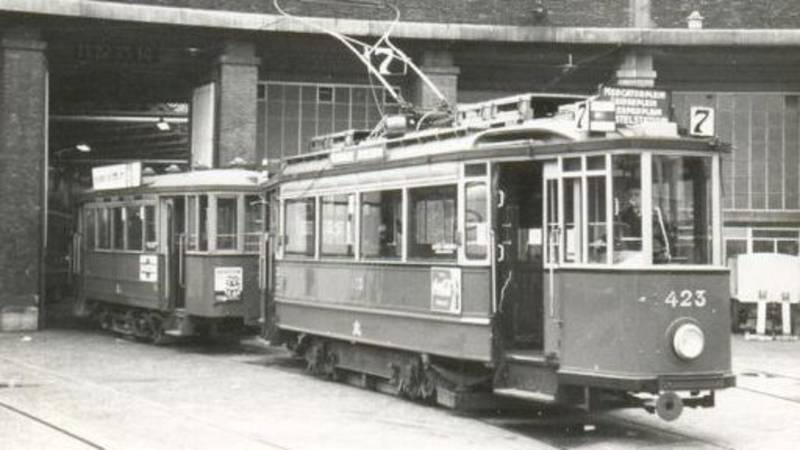
it still spread to other areas, including Zaanstad, Kennemerland in the west, Bussum, Hilversum and Utrecht in the east and the south. The strike did not last long. By February 27, much of it had been suppressed by the German police. Although ultimately unsuccessful, it was significant in that it was the first and only direct action against the Nazis’ treatment of Jews in Europe.
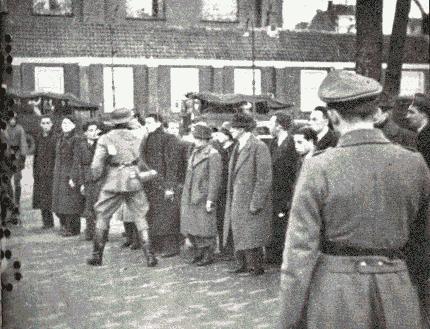
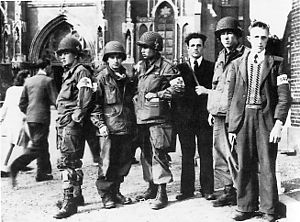
The Dutch resistance made its mark by collecting intelligence that could be useful to the Allies. It was the Dutch resistance that informed the Allies that the SS IX and X divisions were in the region of Arnhem in September 1944—information that was essentially ignored with disastrous consequences. The picture below is of some members of the 101st airborne and resistance fighters in Eindhoven.
The Dutch resistance also helped Dutch Jews to escape – especially children. Nine organizations were created to do this, and they specialized in hiding people, forging identity papers, etc. This, along with its intelligence work, proved to be its most important work as opposed to the classic image of resistance units blowing up bridges, etc.
Karl (Karel) Zaicsek was born on July 18, 1921 (Pecsbanyatelep/Pécs (Hungary.) and died on September 12, 1944 near Brunssum, Netherlands.

Very little is known about this man, but he is one of the people whose name is mentioned on the monument in Lindenheuvel.
He was born in Hungary but moved with his parents to the southeast of the Netherlands. The exact date of his move is unknown, but we do know his Father died on February 9, 1939. Karel was only 17 at the time.
Karel worked in the mine during the war but he also was a member of the council of resistance.
His acts of defiance against the German oppressors included distributing illegal literature and ammunition and delivering food to those in hiding.
On September 12, Karel and his mate Jan Barning were caught by German soldiers outside the entrance of the SBB-Stikstofbindingsbedrijf(Nitrogen Fixation factory).
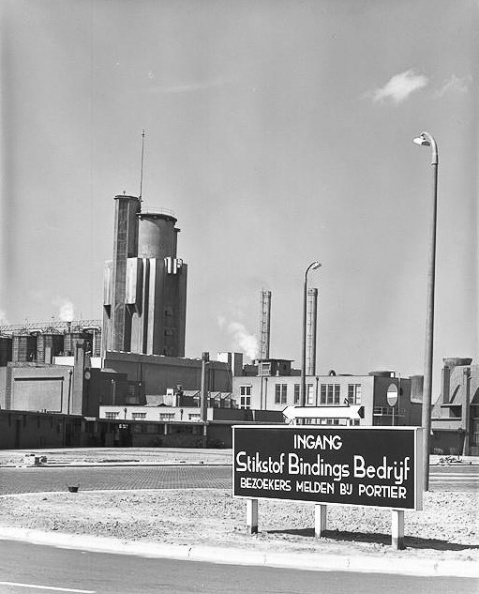
They had just come back with supplies; it is believed Karel had a basket of butter on his bicycle.
Rather than waiting to be brought to the German HQ, the 2 decided to make a run for it even though they were escorted by a German soldier. Jan Barning threw his bike at the soldier, and the pair ran for their lives. Jan was nearly shot in the head but managed to run into a nearby hostel for mine workers.
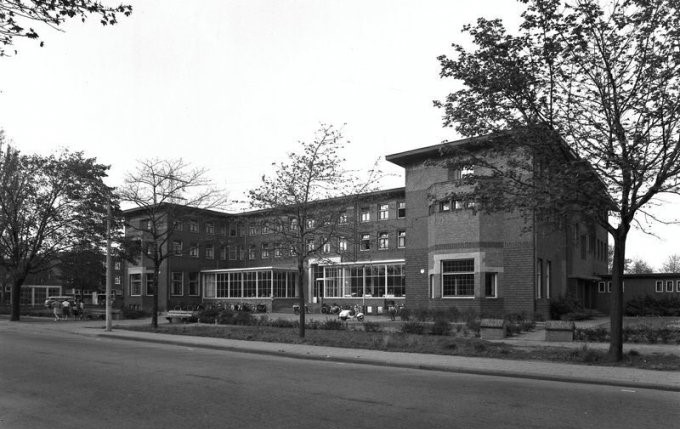
Karl Zaicsek was less fortunate and was caught between Sittard and Hoensbroek and was executed on September 12, 1944. However, this is sometimes disputed because it is believed that the date of execution could also have been September 16, 1944.
It is widely believed that he was executed in the Brunssummerheide, which is the heath near the town of Brunssum.
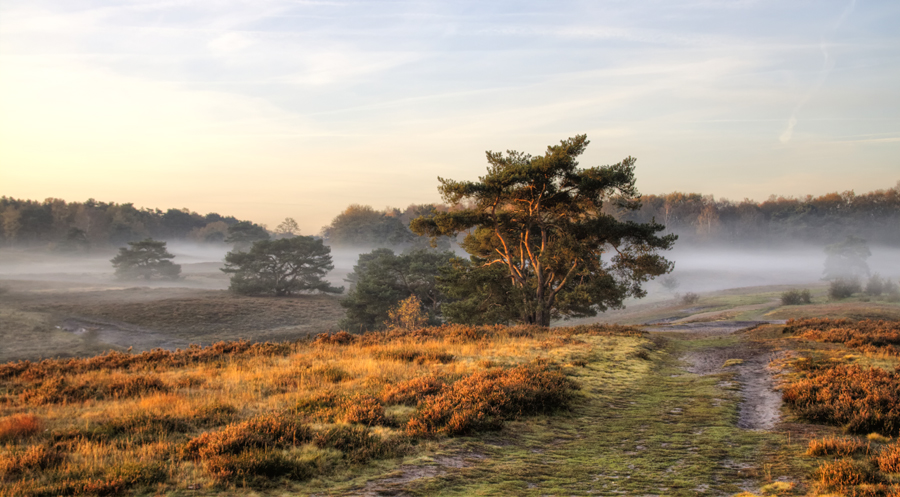
His family only received confirmation of his death in 1951. On July 20, 1951, they held a funeral service for them.
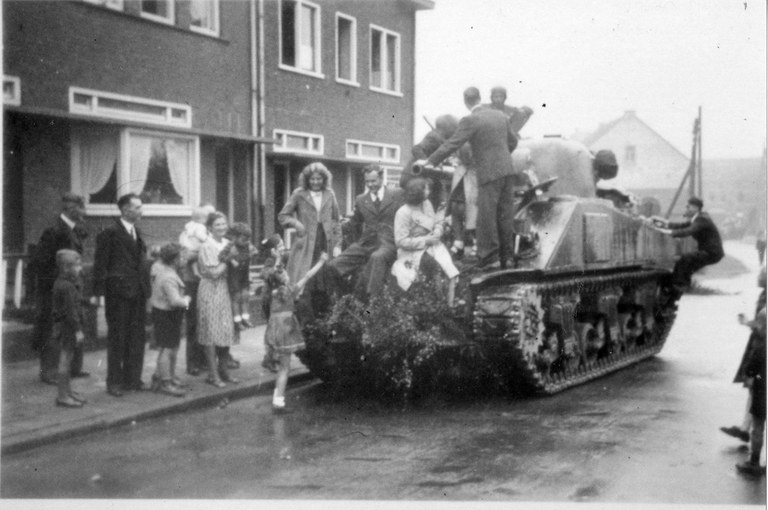
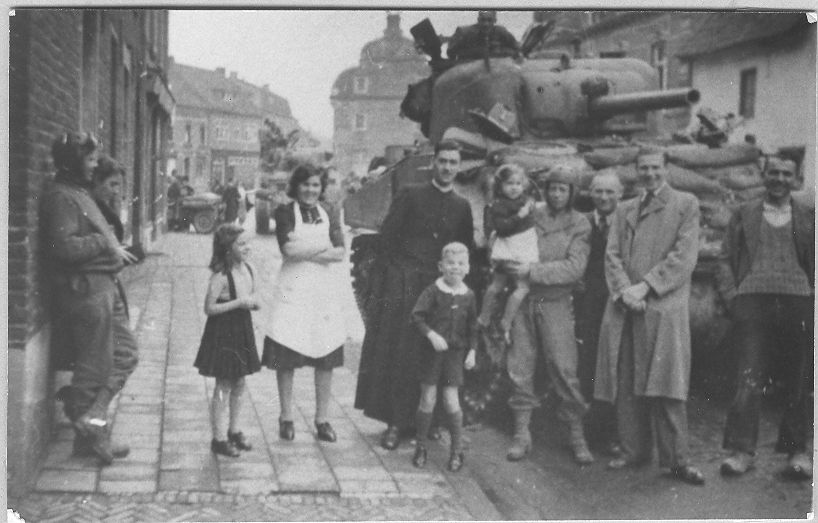
The sad thing about this is that the area would be liberated only a few days after his execution. The town of Geleen was liberated on September 18, 1944.
Related blogs
https://dirkdeklein.wordpress.com/2016/02/26/forgotten-history-hannie-schaft-resistance-fighter/
https://dirkdeklein.wordpress.com/2016/03/08/forgotten-history-pierre-schunck-resistance-fighter/
https://dirkdeklein.wordpress.com/2016/03/27/forgotten-history-major-bosshardt/
https://dirkdeklein.wordpress.com/2016/03/15/forgotten-history-frits-philips/
Donation
Your readership is what makes my site a success, and I am truly passionate about providing you with valuable content. I have been doing this at no cost and will continue to do so. Your voluntary donation of $2 or more, if you are able, would be a significant contribution to the continuation of my work. However, I fully understand if you’re not in a position to do so. Your support, in any form, is greatly appreciated. Thank you. To donate, click on the credit/debit card icon of the card you will use. If you want to donate more than $2, just add a higher number in the box left from the PayPal link. Your generosity is greatly appreciated. Many thanks.
$2.00
Donation
I am passionate about my site, and I know you all like reading my blogs. I have been doing this at no cost and will continue to do so. All I ask is for a voluntary donation of €2. However, if you are not in a position to do so, I can fully understand; maybe next time, then. Thanks To donate, click on the credit/debit card icon on the card you will use. If you want to donate more than €2, just add a higher amount to the box left from the PayPal link. Many thanks
€2.00


 History of Sorts
Leave a comment