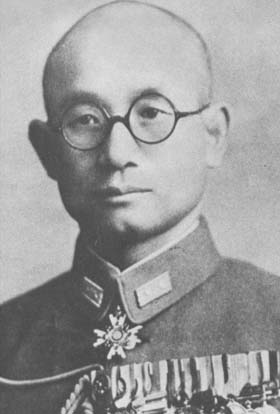
Masanobu Tsuji (11 October 1901 – ca.1961) was a Japanese army officer and politician. During World War II, he was an important tactical planner in the Imperial Japanese Army; he developed the detailed plans for the successful Japanese invasion of Malaya at the start of the war. He also helped plan and lead the final Japanese offensive during the Guadalcanal Campaign.

Tsuji was deeply involved in Japanese atrocities throughout the war. He evaded prosecution for war crimes at the end of the war, living in hiding in Thailand. He returned to Japan in 1949 and was elected to the Japanese Parliament(Diet) as an advocate of renewed militarism. In 1961, he disappeared on a trip to Laos.
Tsuji was among the most aggressive and influential Japanese militarists. He was a leading proponent of the concept of gekokujō, “leading from below” or “loyal insubordination” by acting without or contrary to authorization. He incited the 1939 border clash with the USSR, and was a vehement advocate of war with the United States.
Masunobu Tsuji was born in the Ishikawa Prefecture in Japan. He received his secondary education at a military academy and then graduated from the War College.
By 1934, he was active in the Army’s political intrigues as a member of the Tōseiha (“Control Faction”), and helped block the attempted coup d’état of the rival Kōdōha (“Imperial Way Faction”). This brought him the patronage of general and future Prime Minister Hideki Tojo and general and future War Minister Seishirō Itagaki.


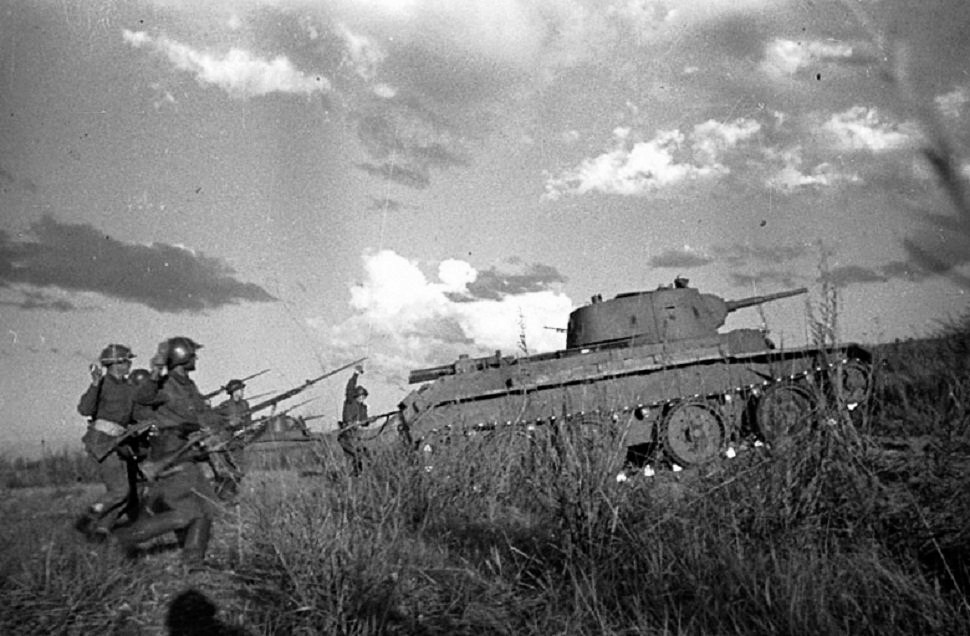
In 1932, he saw action in China, and subsequently travelled as far as Sinkiang. Tsuji served as a staff officer in the Kwantung Army in 1937-1939. His aggressive and insubordinate attitude exacerbated the Soviet–Japanese border conflicts, and helped incite to the Battle of Khalkhin Gol in 1939.
After the defeat at Khalkin Gol, Tsuji opposed any further conflicts with the USSR. His protectors in the Army got him safely transferred toTaiwan, where he helped organize the Army’s jungle warfare school. He was then assigned to the Operations Section of the General staff, where he became a strong advocate of war with the United States and Britain. It has been alleged that in late 1941, he planned the assassination of Prime Minister Konoye, if Konoye achieved peace with the U.S
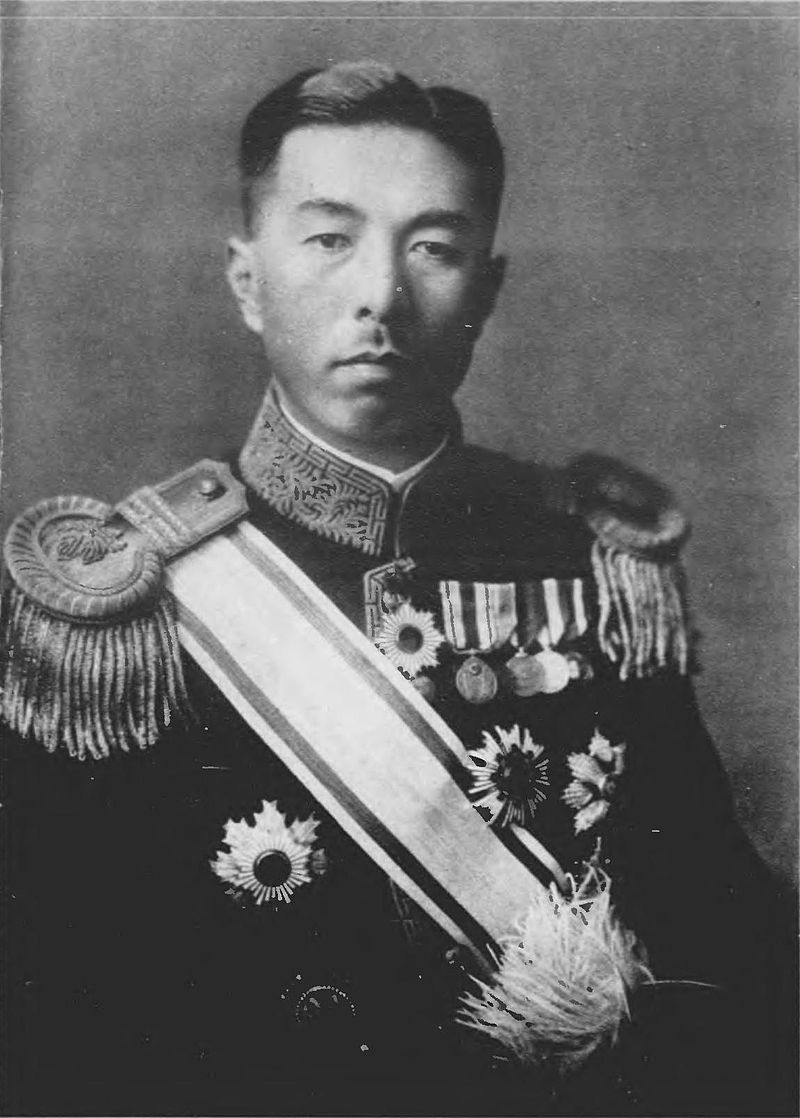
When the war with America and Britain started, Tsuji was on the staff of General Tomoyuki Yamashita, whose army invaded Malaya.He was largely responsible for planning Yamashita’s successful landing in Malaya and subsequent campaign against Singapore.After the capture of Singapore, Tsuji helped plan the Sook Ching – a systematic massacre of thousands of Malayan Chinese who might be hostile to Japan.


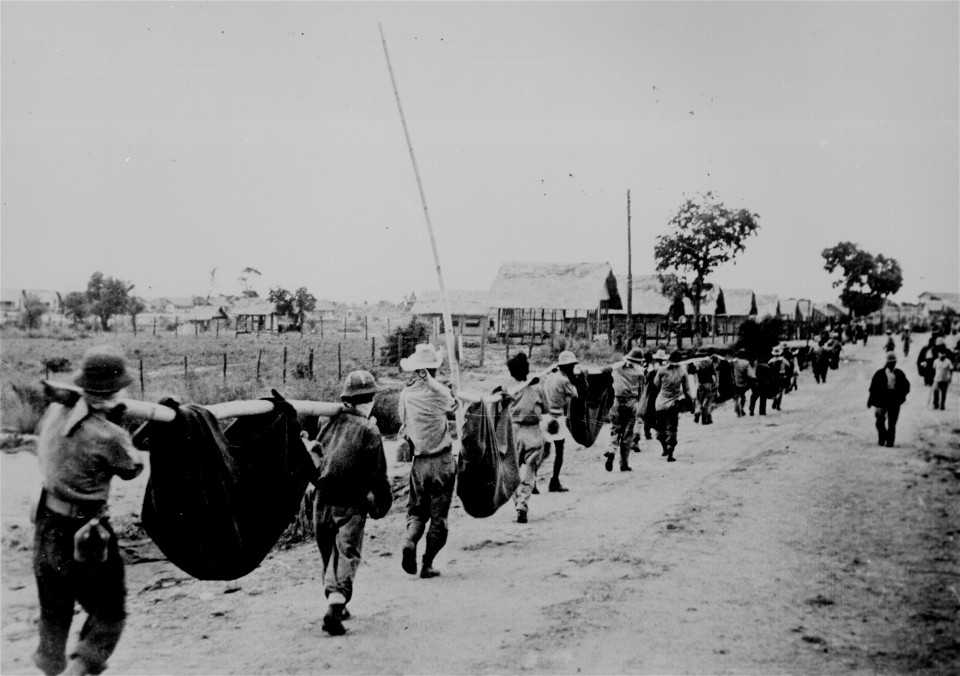
He was then transferred to the staff of General Homma in the Philippines. After the U.S. surrender there, Tsuji sought to have all American prisoners killed, and encouraged the brutal mistreatment and casual murder of prisoners in the Bataan Death March.
He also had many captured officials of the Philippines government executed.
Tsuji planned the Japanese overland attack in New Guinea, via the Kokoda Trail. In this as in other operations, he ordered bold offensive moves regardless of difficulties or the costs to the troops involved.
In late 1942, Tsuji went to Guadalcanal, where he planned and led the last major Japanese attack on October 23–24. After these attacks were defeated, Tsuji went to Tokyo in person to urge additional reinforcements. But he then accepted the Navy’s conclusion that nothing could get through, and recommended the evacuation of the remaining troops. He impressed the Emperor with his frankness.
But the Guadalcanal fiasco had discredited him. He was sent to the Japanese HQ in Nanking, which was largely inactive, for the next year. While there, he made contacts with various Chinese, including both collaborators and agents of Chiang Kai-shek’s government.
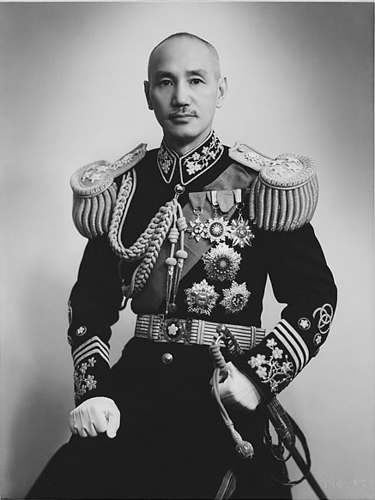
In mid-1944, Tsuji was sent to Burma, where Japanese forces had been repulsed at Imphal. Tsuji was assigned to 33rd Army, which faced the Chinese in northeastern Burma. He was an energetic and efficient planner, if notoriously arrogant, and once helped quell panic in the ranks by ostentiously having a bath under fire in the front lines.
Allegations of having committed cannibalism – by dining on the liver of a downed allied airman – arose after reports by a group of Japanese war correspondents and a fellow Japanese officer.
Following the surrender, Tsuji escaped to Japan via Indochina(Vietnam) and China disguised as a Buddhist priest.
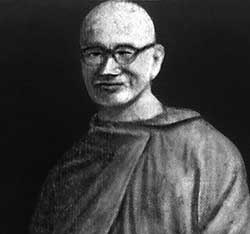
Arriving in Japan in 1949, after the Far East Tribunal had completed the trials of the major war criminals, he escaped attention from Allied occupation authorities and was elected to the Diet in 1952. The next year he founded a military rearmament society, denouncing the American presence in Japan and openly advocating for the rearmament of Japan in preparation for a second, final war with the United States. He was reelected to the Diet in 1956 in spite of being denounced for his war crimes by Kawaguchi Kiyotake. Tsuji wrote a number of books and articles on his experiences, of which his account of the Malaya campaign from the Japanese side has received the most attention from Western historians. His writings should, however, be taken with a grain of salt
In April 1961, he traveled to Laos and was never heard from again. He may have been killed in the Laotian Civil War, but there were also rumors that he became an adviser to the North Vietnamese government. He was declared dead on July 20, 1968.
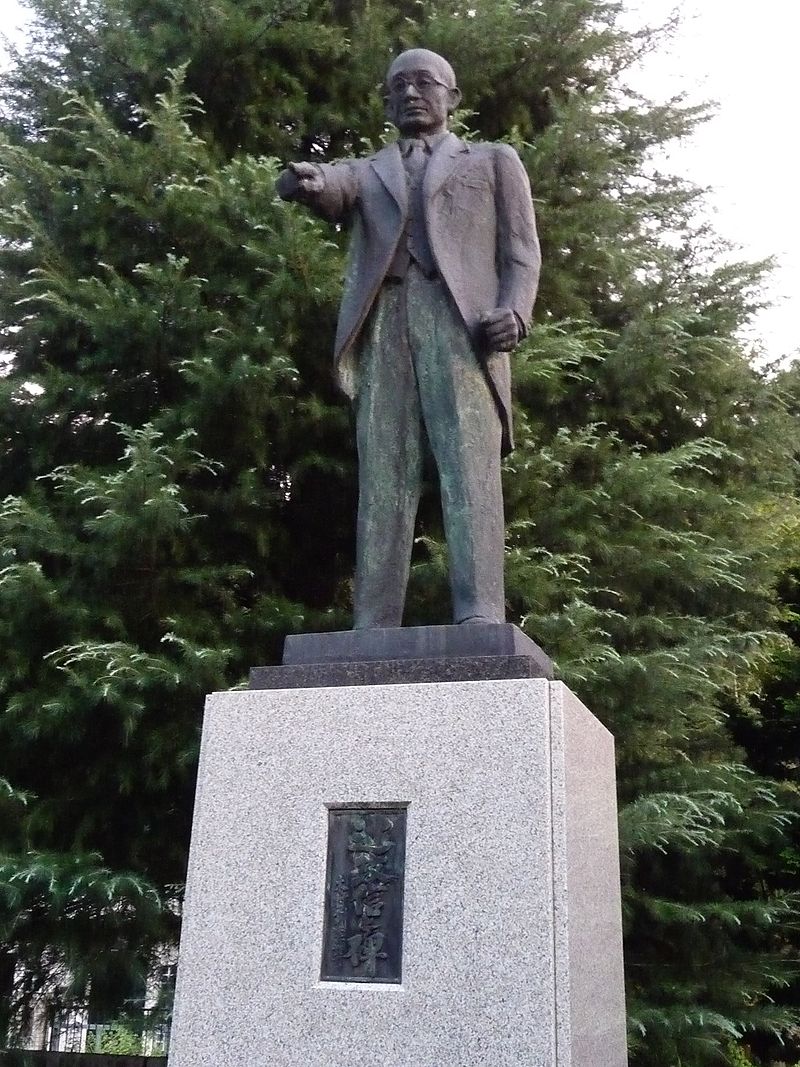
He held strong “pan-Asian” views and thought that the people of other Asian countries should support Japan against Western powers. His ultra-nationalist and militarist views and his war record won him the support of many like-minded Japanese nationalists, to the end of which his supporters erected a statue of him in Kaga City, Japan.
In a bizarre twist, recently declassified CIA files show that an attempt was made to recruit Tsuji as an intelligence agent after he came out of hiding. However, he proved useless, the CIA concluding that “In either politics or intelligence work, he is hopelessly lost both by reason of personality and lack of experience… Tsuji is the type of man who, given the chance, would start World War III without any misgivings”

 History of Sorts
Leave a comment