One of my biggest passions is Music, I simply could not imagine a world without it.Music heightens the emotions. A good piece of music can make you feel happy, sad or even bitter and angry.
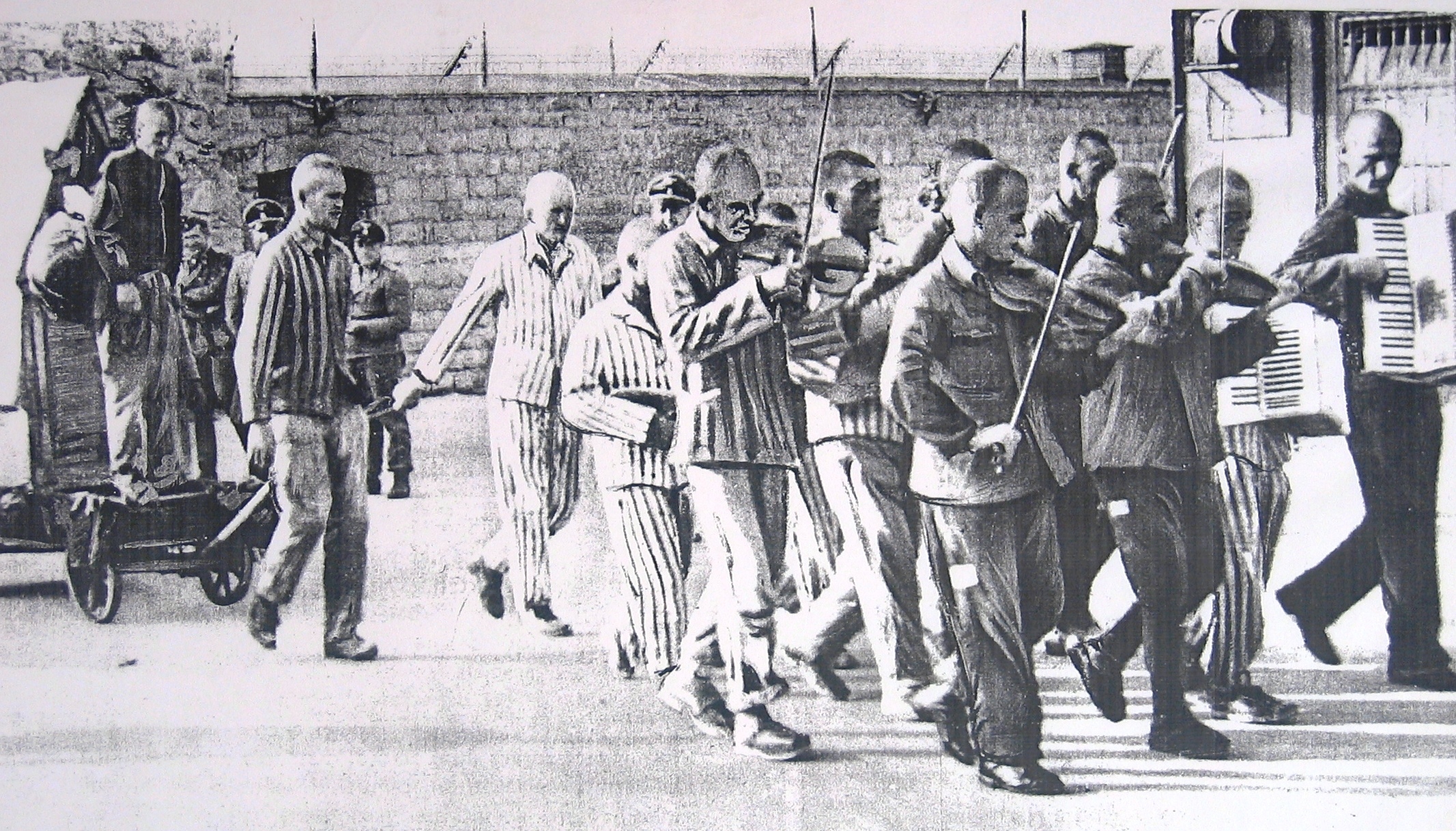
For many victims of Nazi brutality, music was an important means of preserving and asserting their humanity.
But as so many wonderful and pure things,music was also exploited by the Nazi’s for propaganda.in the Nazi imagination, music had a unique significance and power to seduce and sway the masses. The Party made widespread use of music in its publicity, and music featured prominently at rallies and other public events. The Horst Wessellied (Horst Wessel song) was popular and widely sung. Many propaganda songs were aimed at the youth, and the Hitlerjugend (Hitler Youth) developed an elaborate music program.
In 1938, the infamous Entartete Musik (Degenerate music) exhibition was mounted in order to identify to the German public what music was ‘degenerate’, to demonstrate its dangers, and celebrate its purging from German society. The Nazi leadership put great effort into removing ‘undesirables’ from Germany’s musical world, and from early on jazz and ‘Jewish’ music (and musicians) in particular were a target of attack and censorship.

The Nazi quest to purify and rebuild the German music world motivated an enormous amount of activity, planning, and policy-making. The Reichsmusikkammer (Reich Chamber of Music) was founded just months after the Nazi accession to power, with the intention of ‘cleansing’ the musical scene of Jews, foreigners, and political leftists, and improving the situation of ‘Aryan’ musicians.

The Jüdischer Kulturbund (Jewish Cultural League), by contrast, was an exclusively Jewish organisation intended to temporarily employ the thousands of Jews fired under Nazi legislation.
Music was also deliberately exploited for propaganda purposes. The Kulturbund was supported by the Nazi leadership in part because it could be presented as proof that Jews were not being mistreated. Similarly, the vibrant Jewish cultural life in Theresienstadt was an effective propaganda tool, reinforcing the image of the camp as a ‘model’ Jewish settlement. In summer 1944, a visiting commission of the Red Cross was treated to a performance of Verdi’s Requiem and the children’s opera Brundibár.


Early on in Buchenwald’s existence, the leadership organised a competition for the best camp song. The winning entry, which became the official ‘Buchenwaldlied’ (Buchenwald song), was as much loved by the prisoners as by the guards who forced them to sing it. Set to an energetic march, its rousing chorus focused on the freedom that awaited the inmates beyond the camp walls. For many of the prisoners, singing the song felt like an act of resistance: ‘When the order came to sing, their eyes sought out the crematorium, from whose chimney the flames rose to the sky. They put all our hatred into the song. As the hot coals burned we shouted the “free” of the chorus so that the forest resounded with it’
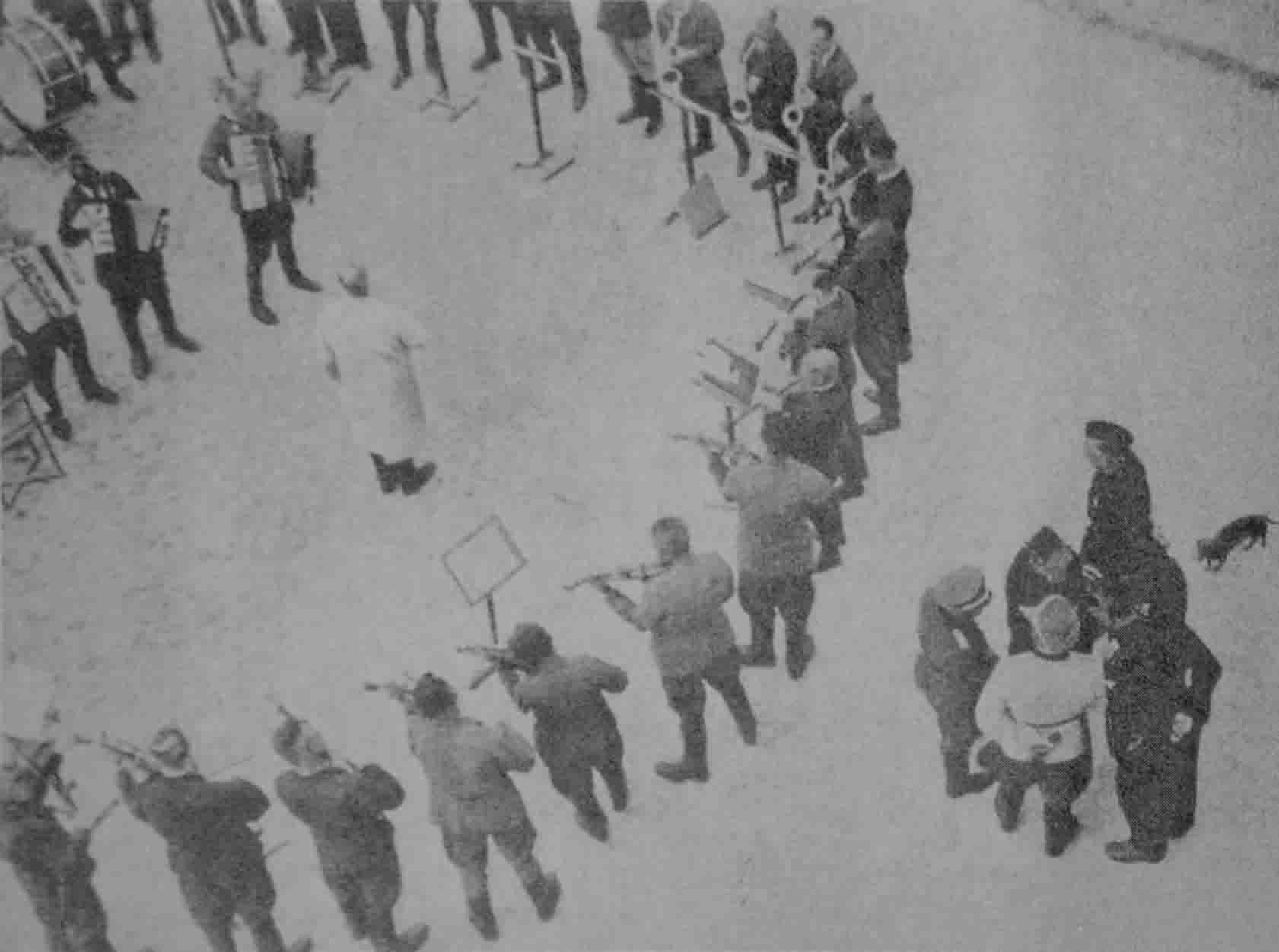
Music in the camps was used in dual purpose. On the one hand, it was a means of torture and discipline, enforced by camp guards. On the other, it was a way for prisoners to express defiance, protest and cultural tradition in the most horrific of times. In both ways, the power of music and the human spirit is astounding.
The ‘Jüdischer Todessang’ (Jewish death song) was written in Sachsenhausen by Martin Rosenberg, aka Rosebery D’Arguto.
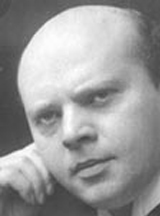
According to his fellow inmate Aleksander Kulisiewicz, D’Arguto and the choir he had established in the camp found out in late 1942 that a transport would soon be taking Jewish prisoners to Auschwitz-Birkenau or Majdanek. In response to this news, D’Arguto wrote a song named the ‘Jüdischer Todessang’ (Jewish death song) based on the Yiddish folk melody ‘Tsen Brider’ (Ten brothers). The song was transformed by D’Arguto’s pen into a painful record of the Jews’ present-day destruction, as the ten brothers are killed in the gas chambers. Soon thereafter, in October 1942, D’Arguto and the choir were sent to Auschwitz.
It humbles and saddens me when I think about those musicians, who in their own way tried to defy the inevitable and keep up the spirits of those who they knew were going to die, realizing that the next day it could be them.


Donation
Your readership is what makes my site a success, and I am truly passionate about providing you with valuable content. I have been doing this at no cost and will continue to do so. Your voluntary donation of $2 or more, if you are able, would be a significant contribution to the continuation of my work. However, I fully understand if you’re not in a position to do so. Your support, in any form, is greatly appreciated. Thank you. To donate, click on the credit/debit card icon of the card you will use. If you want to donate more than $2, just add a higher number in the box left from the PayPal link. Your generosity is greatly appreciated. Many thanks.
$2.00

 History of Sorts
Leave a reply to dirkdeklein Cancel reply