
On March 4, 1942, two Kawanishi H8K “Emily” flying boats embarked on Operation K, flying the longest distance ever undertaken by a two-plane bombing mission to that point.
The planes refueled at an atoll 500 miles from Hawaii and then launched to drop their bombs on Pearl Harbor. Due to extensive cloud cover and confusion between the two pilots, one plane dropped its bombs on an uninhabited mountainside and the other dropped its bombs in the ocean. There were no American casualties.
In a repeat of events just before the December 7 attack, American codebreakers warned that the Japanese were preparing for reconnaissance and disruption raids, refueling at French Frigate Shoals, and again were largely ignored by their superiors.
The planning for Operation K began in the weeks after the attack on Pearl Harbor when the Imperial Japanese Navy high command considered how to take advantage of the capabilities of the long-range Kawanishi H8K flying boats.

Plans to bomb California and Texas were being discussed when the need for updated information regarding the repairs to US Navy facilities at Pearl Harbor took precedence. An assessment of the repairs to the docks, yards, and airfields of Oahu would help the Imperia Japanese Navy staff to determine the American ability to project power for months to come.
Initial plans called for the use of five H8K aircraft. They would fly to French Frigate Shoals, the largest atoll in the Northwestern Hawaiian Islands, to be refueled by submarines prior to taking off for Oahu.
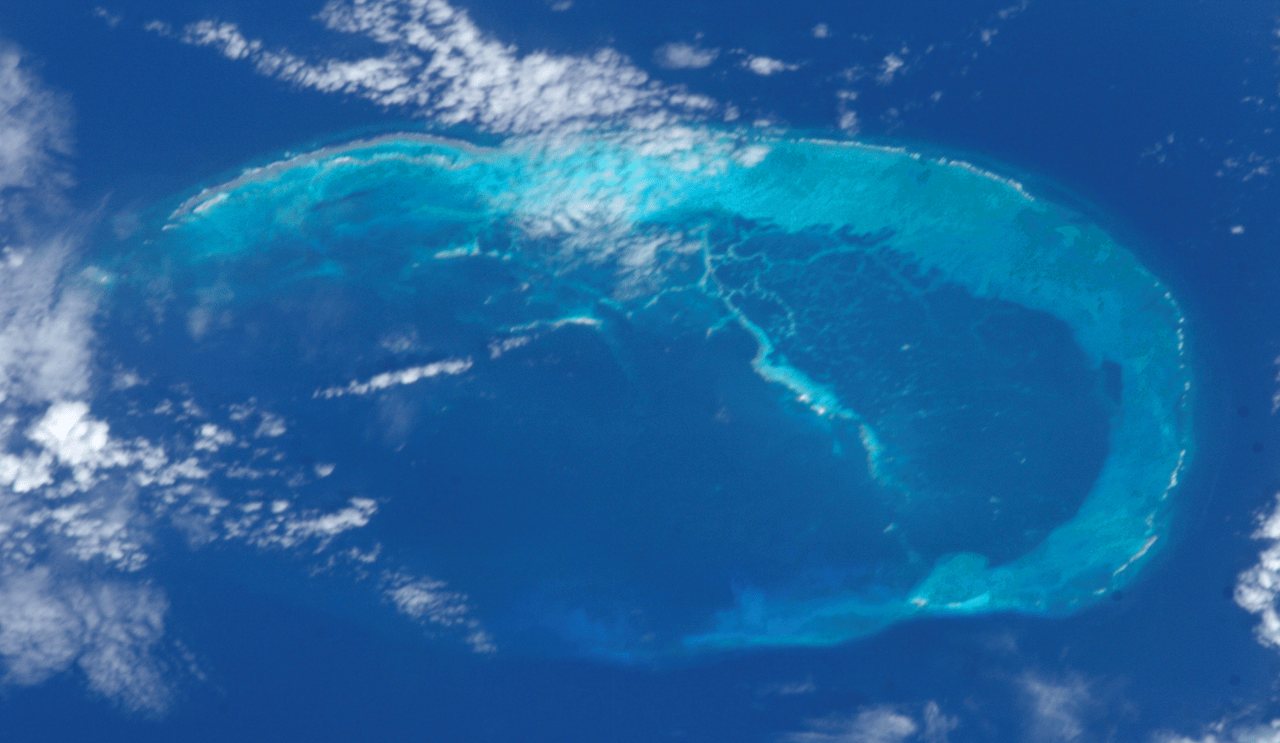
The raid was planned to coincide with the full moon to illuminate the Pearl Harbor target area, but the actual date (of execution) would depend on calm weather for refueling at French Frigate Shoals and clear skies over Pearl Harbor. If the first raid was successful, additional raids would be made.
In a repeat of events just before the 7 December attack, American codebreakers warned that the Japanese were preparing for reconnaissance and disruption raids, refueling at French Frigate Shoals, and again were largely ignored by their superiors. The codebreakers had reason to correctly interpret the Japanese intent. Edwin T. Layton’s staff included Lieutenant Jasper Holmes, who, writing under the pen name Alec Hudson, had a story entitled Rendezvous published in an August 1941, Saturday Evening Post.

His fictitious story about refueling United States planes from submarines at a remote island for an air attack on a target 3000 miles away had been withheld from publication for a year until the author convinced United States Navy censors the techniques described were known to other navies.
When the time arrived to raid, only two of the big flying boats were available. Pilot Lieutenant Hisao Hashizume, was in command of the mission, with Ensign Shosuke Sasao flying the second airplane. They were sent to Wotje Atoll in the Marshall Islands, where each airplane was loaded with four 250-kilogram (550 lb) bombs.

From there, they flew 3,100 kilometers (1,900 mi) to French Frigate Shoals to refuel, then set off for Oahu, 900 kilometers (560 mi) distant. In addition to their reconnaissance mission, they were to bomb the “Ten-Ten” dock – named for its length, 1,010 feet (310 m)—at the Pearl Harbor naval base to disrupt salvage and repair efforts. However, a comedy of errors ensued on both sides.
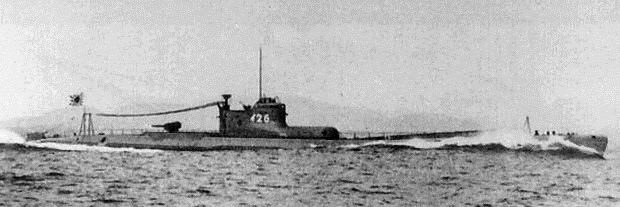
The Japanese submarine I-23 was supposed to station itself just south of Oahu as a “lifeguard” and weather spotter for the flying boats but was lost sometime after 14 February. (The photo below is of the I-26 which was nearly identical to the I-23)
Japanese crypt analysts had broken the United States Navy weather code, but a code change on 1 March eliminated that alternative source of weather information over Pearl Harbor. The mission proceeded—on the assumption of clear skies, over Pearl Harbor from knowledge of conditions at French Frigate Shoals.
American radar stations on Kauai (and later Oahu) picked up and tracked the two planes as they approached the main Hawaiian Islands, prompting a search by Curtiss P-40 Warhawk fighters. Consolidated PBY Catalina flying boats were also sent to seek Japanese aircraft carriers, which were assumed to have launched the two invaders.


However, a thick layer of nimbus clouds over Pearl Harbor prevented the defenders from spotting the Japanese planes at 4,600 meters (15,000 ft).
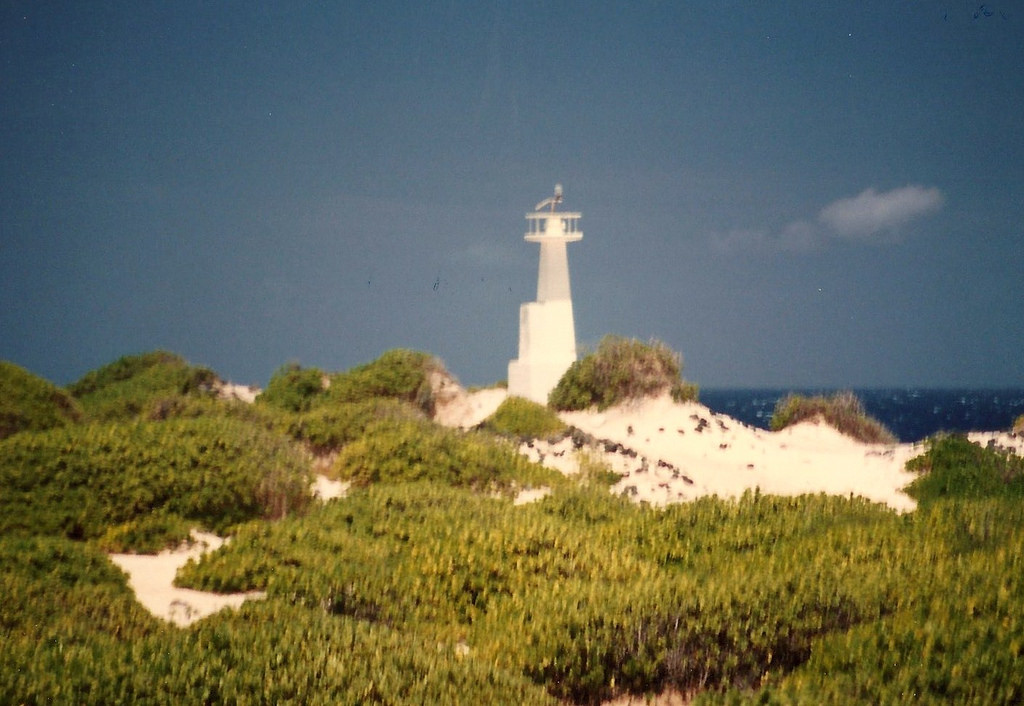
Those same clouds also confused the IJN pilots. Using the Kaena Point lighthouse for a position fix, Hashizume decided an attack from the north would be best.
Sasao, however, did not hear Hashizume’s order and instead turned to skirt the southern coast of Oahu.
Hashizume, having lost sight of his wingman, and only able to see small patches of the island, dropped his four bombs on the slopes of Tantalus Peak, an extinct volcano cinder cone just north of Honolulu sometime between 02:00-02:15 HST.

Hashizume was unable to see Pearl Harbor, the only lit facility on Oahu due to blackout conditions intended to hinder air raids. Hashizume’s bombs landed about 300 meters (1,000 ft) from Roosevelt High School, creating craters 2–3 meters (6–10 ft) deep and 6–9 meters (20–30 ft) across.

Damage was limited to shattered windows. Sasao is assumed by historians and officials to have eventually dropped his bombs into the ocean, either off the coast of Waianae or near the sea approach to Pearl Harbor. The two flying boats then flew southwest toward the Marshall Islands. Sasao returned as planned to Wotje atoll, but Hashizume’s airplane had sustained hull damage while taking off from French Frigate Shoals. Fearing the primitive base at Wotje was insufficient to repair the damage, Hashizume proceeded non-stop to their home base at Jaluit Atoll, also in the Marshall Islands. That made his flight the longest bombing mission in history up to that point.
There were no American casualties. The raid did raise new fears of a potential Japanese invasion of Hawaii.
Sources
https://www.nationalww2museum.org/war/articles/second-pearl-harbor-attack-1942
https://pearlharbor.org/blog/operation-k-a-second-pearl-harbor-attack/

Donation
Your readership is what makes my site a success, and I am truly passionate about providing you with valuable content. I have been doing this at no cost and will continue to do so. Your voluntary donation of $2 or more, if you are able, would be a significant contribution to the continuation of my work. However, I fully understand if you’re not in a position to do so. Your support, in any form, is greatly appreciated. Thank you. To donate, click on the credit/debit card icon of the card you will use. If you want to donate more than $2, just add a higher number in the box left from the PayPal link. Your generosity is greatly appreciated. Many thanks.
$2.00

 History of Sorts
Leave a comment