Hongerwinter—Hunger Winter

honger 1

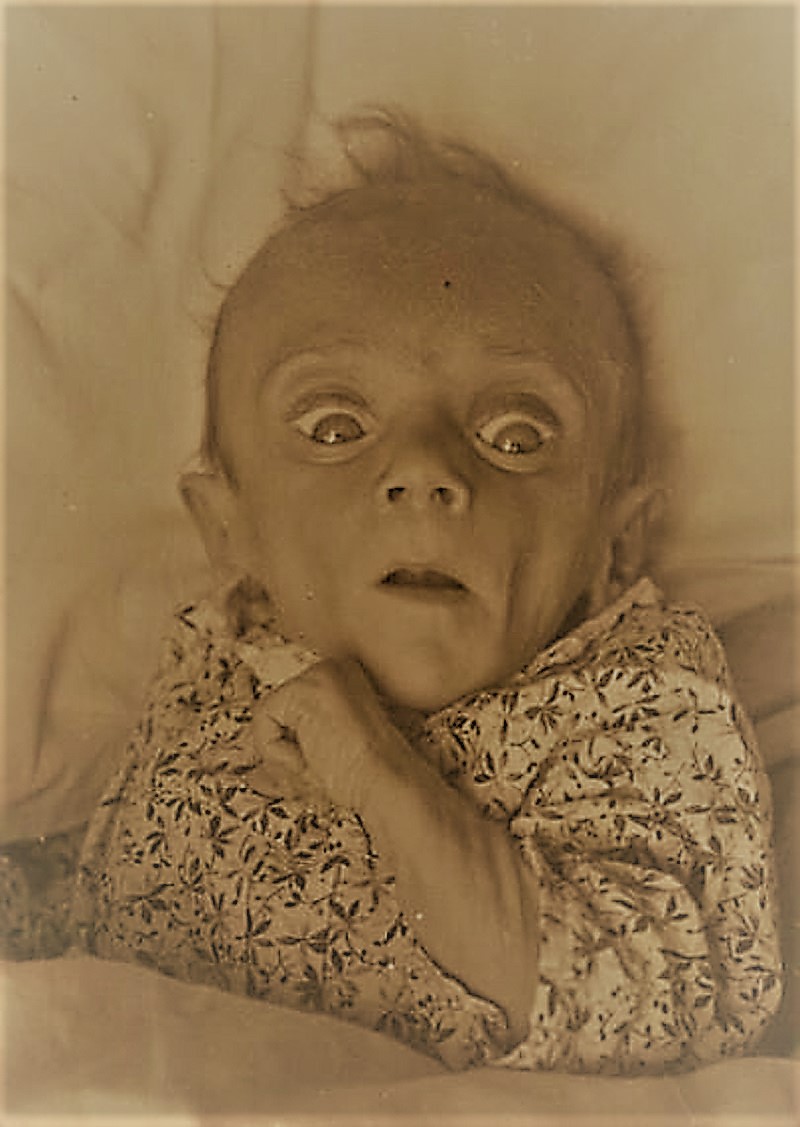
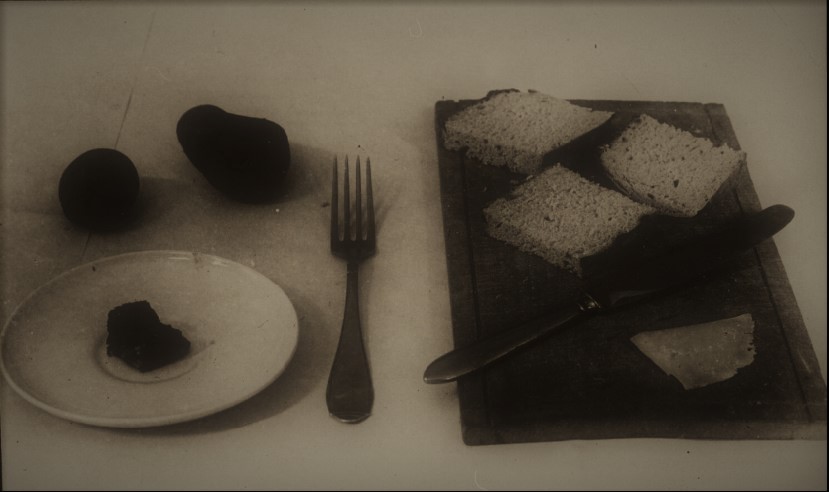
In September 1944, most of the southern part of the Netherlands had been liberated. Unfortunately, the rest of the country faced a very harsh winter. Extreme cold combined with a lack of food resulted in a famine, causing the death of about 20,000 citizens.

Dutch railway workers had gone on strike with the hope of helping the Allied forces to advance. Alas, the British-led allied campaign called Operation Market Garden failed. The Nazis retaliated by blocking food supplies.

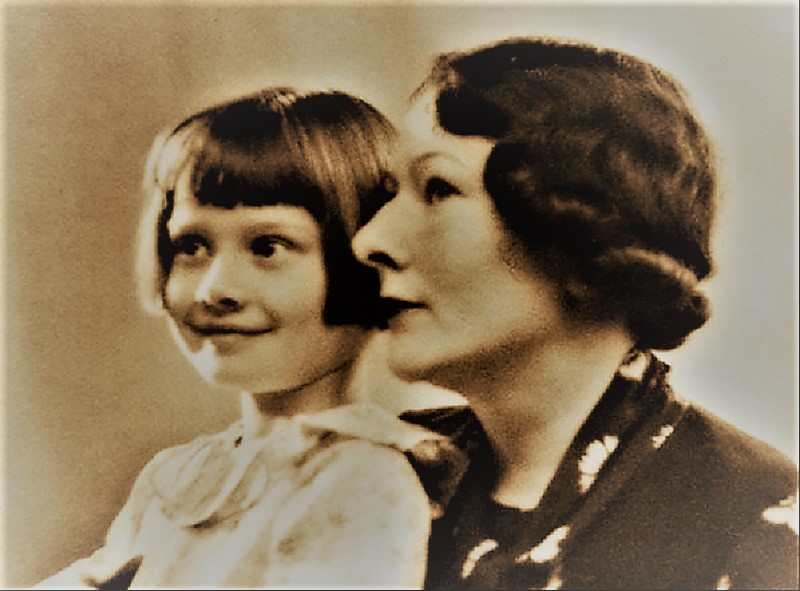
The effects of the famine are still felt more than seven decades after it ended. One famous example of someone who suffered from the famine during the Hunger Winter for the rest of her life is Audrey Hepburn. She spent her childhood in the Netherlands during the Hunger Winter. She would become a successful actress who accumulated wealth in her later years. However, she had lifelong medical conditions as a result of the famine. She suffered from anemia, respiratory illnesses, and edema.
hepburn

Babies born from women who were pregnant during the famine would often be a few pounds heavier than the average. Their death rate would also be higher than those who had been in utero before or after the famine.

Below the photographs are visual impressions of the Hunger Winter of 1944/45.

hunger 2

hunger 3

hunger 4

hunger 5

hunger 6

Donation

Your readership is what makes my site a success, and I am truly passionate about providing you with valuable content. I have been doing this at no cost and will continue to do so. Your voluntary donation of $2 or more, if you are able, would be a significant contribution to the continuation of my work. However, I fully understand if you’re not in a position to do so. Your support, in any form, is greatly appreciated. Thank you. To donate, click on the credit/debit card icon of the card you will use. If you want to donate more than $2, just add a higher number in the box left from the PayPal link. Your generosity is greatly appreciated. Many thanks.

$2.00

Sources

Beeldbankwo2.nl

New York Times

8 responses to “Hongerwinter—Hunger Winter”

  1. Jan Brouwer Avatar
    Jan Brouwer

    The objective of the Allies was not liberation of (Western-)Europe or (part of) countries, but Victory on Germany, nothing less (Eisenhower, 5 June 1944; Churchill: V for Victory). Operation Market Garden has nothing to do with the hunger winter. Its opjective was establishing a strong bridgehead between Arnhem and The IJsselmeer. Nothing more.

    Like

    1. I did not say that

      Like

  2. Jan Brouwer Avatar
    Jan Brouwer

    You write: In September 1944 most of the southern part of The Netherlands had been liberated. (had been cleared of Germans). You write: Operation Market Garden failed. The Nazis retaliated by blocking food supplies.

    Like

    1. I did not say it was the intention of the allies to liberate the country, but as a unintential bonus the South was liberated . And the Nazis did retaliate on the strike

      Liked by 1 person

      1. Marie-Jacqueline Avatar
        Marie-Jacqueline

        I understand what you want to say.
        I’m from Province Limburg, and the south wasn’ t liberated.
        What I mean, for Limburg Stout-Limburg was, but Middle- and North-Limburg became Frontline.
        The Maas became the division between the allied in the west and Germans on the east-side.

        My hometown became for instance Frontline, like several other in the province.
        Every road, house village was intense fighting. This went on through the winter of 1944/1945
        There is a lot more to tell but in the context of your post it goes to far.

        May I compliment for you respectfully giving a face, a name, a live to those being murdered in the Holocaust.

        History that is hardly known in the west of the Netherlands.

        Like

  3. But the people were liberated, weren’t they? Or was the South still occupied by German troops?

    Like

  4. Jan Brouwer Avatar
    Jan Brouwer

    The Allies destructed German troops. Some people saw that as liberation except in Germany. Correct is that the Germans did retaliate on the railway strike.

    Like

Leave a comment

This site uses Akismet to reduce spam. Learn how your comment data is processed.