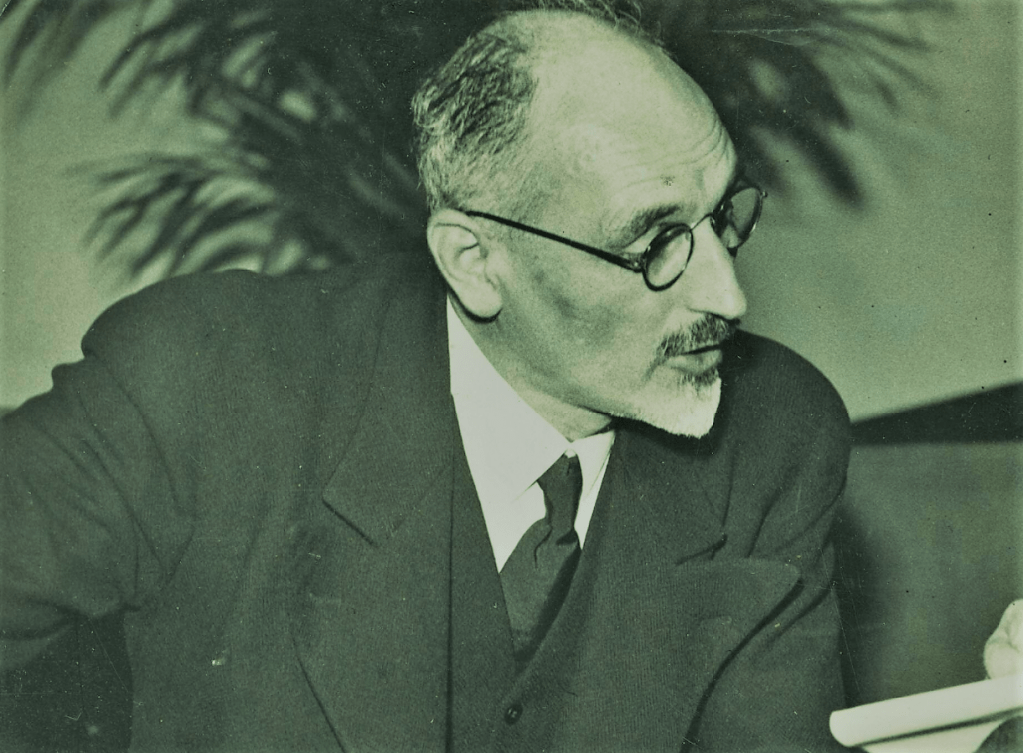
I do despair at times when I see how many of my fellow Dutch citizens were so willing to help the Nazi regime. I know it is easy (for me) to judge because I was never put in a similar situation. But it is still a puzzle to me that a nation known for its tolerance had so many intolerant citizens.
However, there were also a significant number of Dutch men and women who did defy the Nazi occupiers and paid for it with their lives—Pastor Abraham Rutger Rutgers was one of them.
Abraham worked successively as assistant pastor in Düsseldorf in the period—1908-1909. He worked as a minister in Tubbergen from 1910 in Lochem 1914-1919, followed by an honourable emeritus status of two years. Later, he worked as a preacher in Usselo—1921 and Rotterdam from 1932 to 1942. During his work as a reformed assistant preacher in Düsseldorf (1908-1909), Abraham turned out to have a militant character. His actions against the injustice that some Dutch workers suffered there resulted in his expulsion from Germany. At an early age, Abraham was a convinced anti-militarist. After visiting Spain in 1938, he returned to his anti-militarist convictions. As early as 1933, Abraham Rutgers was protesting, with other theologians, against the persecution of the Jews in Germany. After the German invasion in May 1940, he fiercely and fearlessly denounced all the injustices of the occupiers from the pulpit. Abraham Rutgers considered himself called, there and in his catechism, to speak without any restriction and did so. He called Germany a purely imperialist power and Seyss-Inquart a traitor.
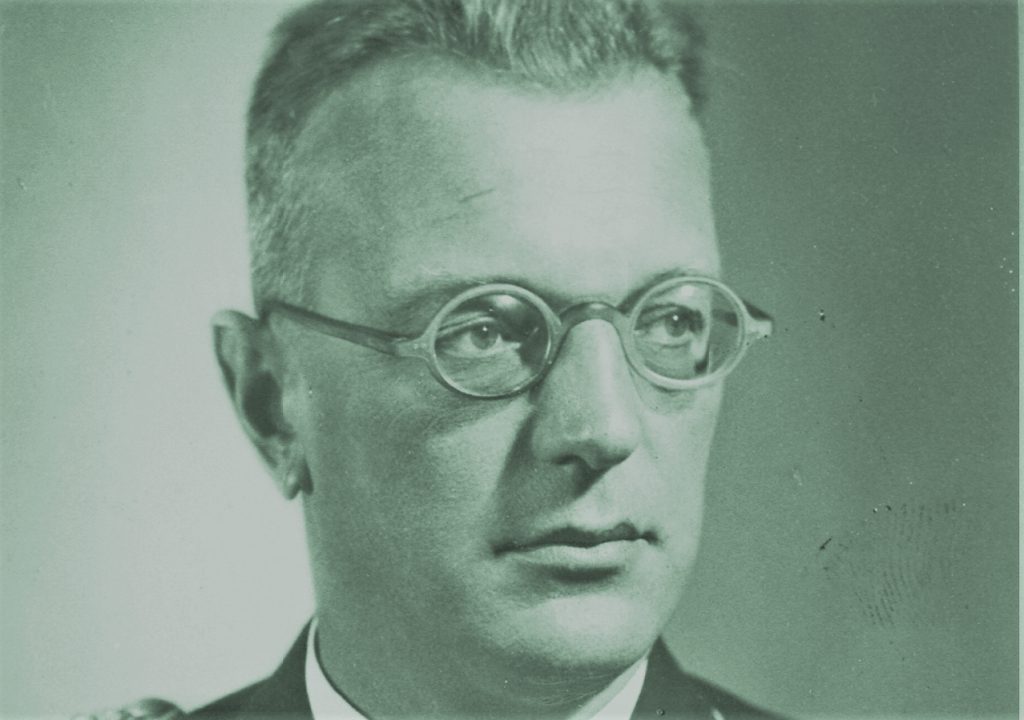
On Sunday, 1 September 1940, the day after Queen’s Day, he held a formal Orange (Dutch Royal Family are the House of Orange) service where the entire municipality under his leadership sang the Dutch National anthem with open doors. Fortunately, it ended well. After Abraham Rutgers was called to account several times by the Sicherheitsdienst, they arrested him on Wednesday, 11 June 1941, because of his sermon on Sunday, 1 June 1941 (Whit Monday). After the interrogation in the Oranjehotel in Scheveningen, it was a difficult time for him there. The loneliness, the uncertainty, and the powerlessness drove him to despair. It was only after almost three months that his wife was allowed to visit him for the first time. He stood behind bars like a predator in his cage and burst into tears when he saw his wife, Josephine. Fellow prisoners said that he was of great support to them. After four months of solitary confinement in Scheveningen, he was transferred to Camp Amersfoort on Tuesday, 28 October 1941. In Amersfoort, he preached clandestinely on two Sundays. After 14 days, Abraham was sent to the Dachau Concentration Camp, where he arrived on Friday, 28 November 1941.
On 2 April 1942, they tortured him to death in Dachau.
His resistance wasn’t by using violence or weapons but by using words, uttering his opinion. His words were deemed offensive, even offensive enough to be tortured to death. Let this be a warning.
Sources
https://oorlogsgravenstichting.nl/personen/131750/abraham-rutger-rutgers
https://www.wieiswieinoverijssel.nl/zoekresultaten/p2/558-abraham-rutgers
 History of Sorts
Leave a comment