
One aspect of the Holocaust, which often is overlooked, is the life in the ghettos. The Nazis created at least 1,143 ghettos in the occupied eastern territories. There were three kinds of ghettos.
Closed ghettos were set apart by walls or fences with barbed wire. The Nazis compelled Jews living in the surrounding areas to move into the closed ghetto, thus exacerbating the extremely crowded and unsanitary conditions. Starvation, chronic shortages, severe winter weather, inadequate and unheated housing, and the absence of adequate municipal services led to repeated outbreaks of epidemics and a high mortality rate. Most ghettos were of this type.
Open ghettos had no walls or fences, but there were restrictions on entering and leaving. These existed in Poland and the Soviet Union, as well as in Transnistria, the province of Ukraine occupied and administrated by Romanian authorities.
Destruction ghettos were tightly sealed off and existed for between two and six weeks before the Germans or their collaborators deported and murdered the Jewish population concentrated there. These existed in the Soviet Union (especially in Lithuania and the Ukraine), and Hungary.
How many people were murdered in the ghettos is hard to ascertain because many ghettos were only in existence for a relatively short time. Also, many died as a result of starvation and diseases.
None of the ghettos were pleasant places to live. They often were described as hell on Earth.
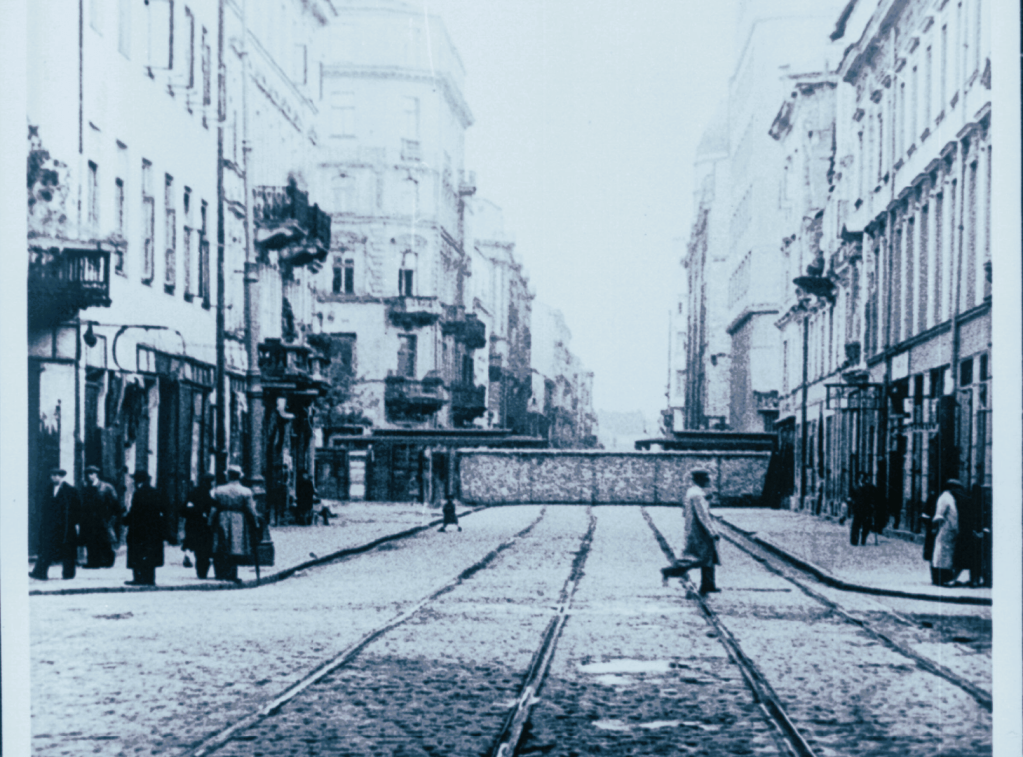
The largest ghetto was Warsaw, where 400,000 Jews were crowded into 1.3 square miles of the city. Other ghettos included those in the cities of Łódź, Kraków, Białystok, Lvov (L’viv), Lublin, Vilna (Vilnius), Częstochowa, and Minsk. Many thousands of Western European Jews were. deported to ghettos in the East. Men, women, and children were forced to leave their homes taking only the possessions they could carry, and move into overcrowded houses and rooms. Leaving the ghetto was strictly prohibited.
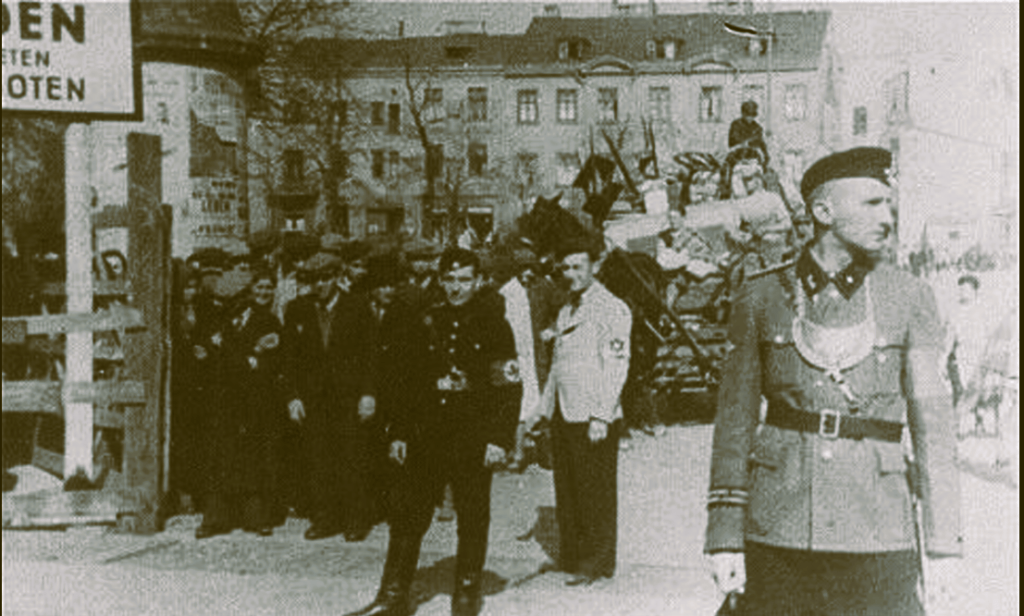
The ghetto in Lodz, Poland’s second-largest city and major industrial center, was established on April 30, 1940. It was the second largest and most severely insulated ghetto from its surroundings and from other ghettos. It had interned approximately 164,000 Jews, which tens of thousands of Jews from the district, other Jews from the Reich, and also Sinti and Roma were added. The ghetto, although intended to be a temporary transit facility, lasted for more than four years after the interests of local Nazis led to a decision to exploit the Jewish labor force.
Mordechai Chaim Rumkowski, the overbearing and controversial chairman of the Lodz Judenrat, thought that labor would give the Jews an opportunity to go on living and the hope to survive. Consequently, he set up a multifaceted system in which the Jews of the ghetto worked for the Germans, including “Ressorts” (workshops) where even young children were subjected to slave labor. The Nazis, however, regarded the ghetto’s output as only a brief pause in the final solution, the extermination of Jews.
On January 15, 1942, deportations from Lodz to the Chelmno extermination camp began, where Jews were murdered utilizing gas vans. Rumkowski was forced to prepare lists of candidates for deportation and organize the rounding up of the Jews. He was unsuccessful in his attempts to lower the quota of Jews for deportation. By the end of the year, almost half of the Jews interned in Lodz had been murdered in Chelmno. The murder of the Jews of the Lodz ghetto and the surrounding areas continued intermittently until January 1945.
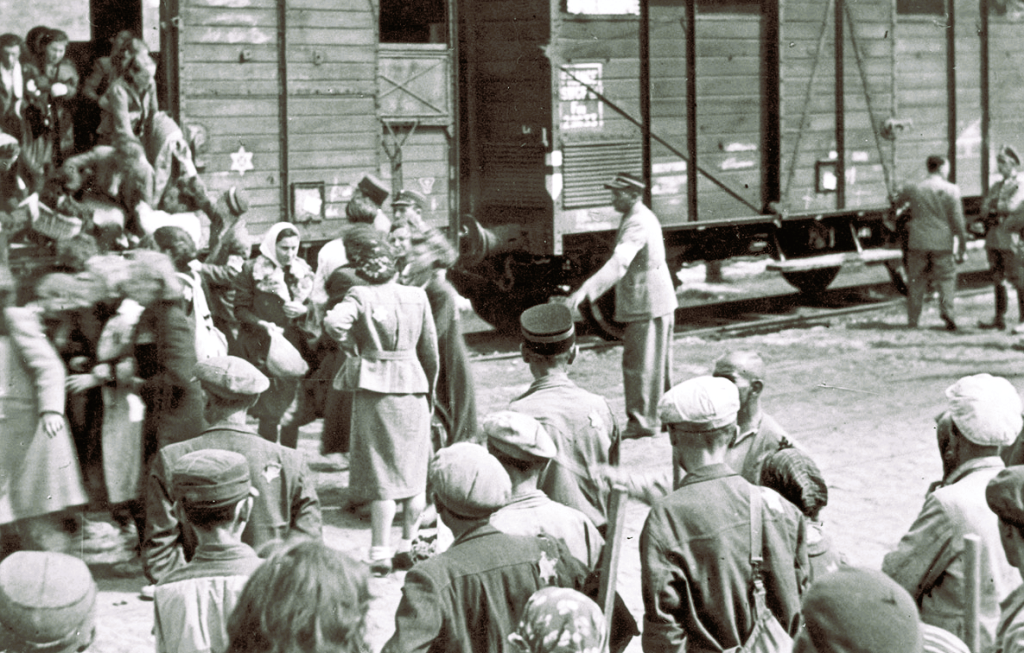
Despite the inhumane conditions that endured in the ghettos, communal institutions and voluntary organizations tried to instill life with meaning and to provide for the public’s needs.
Work in each ghetto differed. Inhabitants were used for anything from construction work to making clothes. Forced laborers worked extremely long hours in brutal conditions. Some work was used as a form of torture rather than for productivity, although most work did attempt to be productive by using free labor, typically for the war effort.
I can’t imagine how life must have been in the ghettos.
Sources
https://www.yadvashem.org/holocaust/about/ghettos/daily-life.html
https://www.yadvashem.org/holocaust/about/ghettos/lodz.html
https://encyclopedia.ushmm.org/content/en/article/ghettos
Please donate so we can continue this important work
Donations
Your readership is what makes my site a success, and I am truly passionate about providing you with valuable content. I have been doing this at no cost and will continue to do so. Your voluntary donation of $2 or more, if you are able, would be a significant contribution to the continuation of my work. However, I fully understand if you’re not in a position to do so. Your support, in any form, is greatly appreciated. Thank you. To donate, click on the credit/debit card icon of the card you will use. If you want to donate more than $2, just add a higher number in the box left from the PayPal link. Your generosity is greatly appreciated. Many thanks.
$2.00
 History of Sorts
Leave a comment