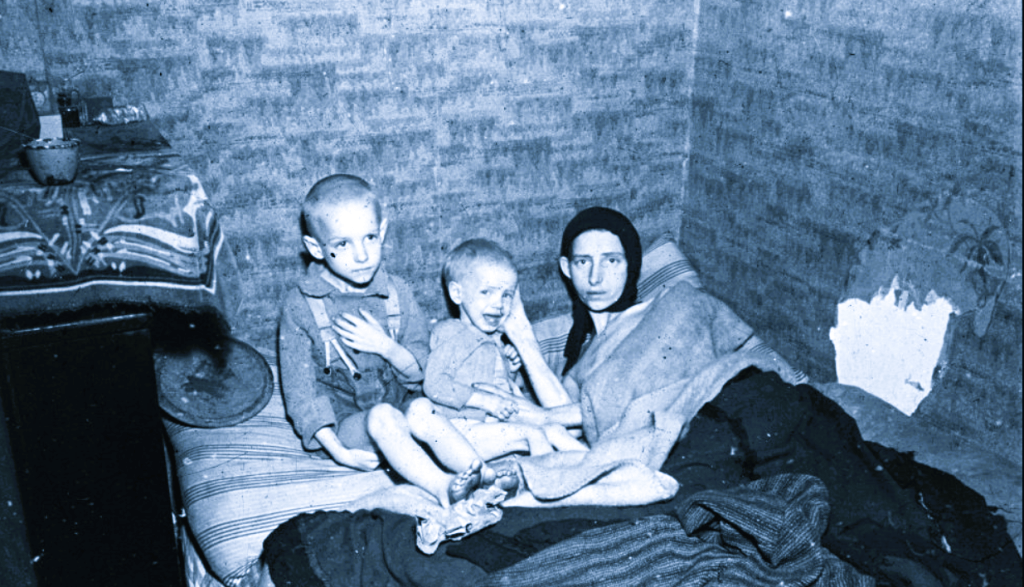
One might be forgiven for thinking the photo above is from a very impoverished country, but it is not. In fact, it is a photo of a family living in one of the wealthiest countries in the world. Even during World War II, the Netherlands was a country of wealth—albeit not all the wealth was distributed to its citizens. This image was taken during the winter of 1944/45, known as the Hunger Winter.
The Dutch famine, also known as the Hunger Winter, was a severe food shortage that occurred in the Netherlands during the final months of World War II, from late 1944 to early 1945. The famine was a result of a combination of factors, including Nazi occupation policies, Allied blockade, harsh winter conditions, and the destruction of infrastructure during the war. The failure of Operation Market Garden also greatly contributed to the famine.
By 1944, the Netherlands had been under German occupation for nearly four years. The German occupiers implemented a policy of “Hunger Winter” in retaliation for Dutch support of the Allied forces. This policy involved cutting off food and fuel supplies to urban areas, particularly the western regions of the country. Additionally, German forces confiscated food from Dutch farms to supply their own troops, further exacerbating the shortages.
As the Allied forces advanced through Europe, the Germans retaliated by imposing a blockade on food transports to the Netherlands. This blockade, combined with a harsh winter in 1944-1945, led to widespread starvation among the Dutch population. The situation was particularly dire in urban areas like Amsterdam, Rotterdam, and The Hague, where food supplies were almost completely depleted.
During the famine, people resorted to extreme measures to survive. Many ate tulip bulbs, which provided little nutritional value and caused digestive problems. Others consumed whatever they could find, including cats, dogs, and even rats. Malnutrition became rampant, leading to a range of health issues, including weakened immune systems, diseases, and increased mortality rates.
The Dutch famine had devastating consequences, particularly for vulnerable populations such as children, the elderly, and the sick. Thousands of people died from starvation or related causes during the winter of 1944-1945. Pregnant women who experienced malnutrition during this period gave birth to underweight babies, who faced long-term health problems as a result.
The famine came to an end in May 1945, following the liberation of the Netherlands by Allied forces. Relief efforts, including the airdrops of food supplies during Operations Manna and Chowhound, helped alleviate the immediate crisis. However, the effects of the famine lingered for years, with many people suffering from health problems and psychological trauma long after the war ended.
The Dutch famine remains a tragic chapter in the nation’s history, serving as a stark reminder of the human cost of war and occupation. It also highlights the resilience of the Dutch people and the importance of international solidarity in times of crisis. Today, the famine is commemorated annually in the Netherlands as a reminder of the importance of peace, cooperation, and humanitarian aid.

Audrey Hepburn spent her childhood in the Netherlands during the famine and despite her later wealth, she had lifelong negative medical repercussions. She had anemia, respiratory illnesses, and edema as a result. Subsequent academic research on the children who were affected in the second trimester of their mother’s pregnancy found an increased incidence of schizophrenia in these children. Also increased among them were the rates of schizotypal personality and neurological defects.
An estimated 20,000 died during the hunger winter.
Operation Manna

Operation Manna was a critical humanitarian effort undertaken during the final stages of World War II, aimed at providing relief to the starving population of the Netherlands. Occurring between April 29 and May 8, 1945, Operation Manna involved the dropping of food supplies by Allied aircraft to alleviate the dire conditions faced by the Dutch people, who had suffered immensely due to the Nazi occupation and the subsequent blockade of food and supplies.
The Netherlands had been under Nazi occupation since May 1940, and by the spring of 1945, the situation had reached a catastrophic level. The German forces, facing defeat, imposed a strict blockade on food transports to the western regions of the country, including major cities like Amsterdam and Rotterdam. As a result, millions of Dutch civilians were on the brink of starvation.
In response to this humanitarian crisis, the Allies devised Operation Manna as a joint effort between the Royal Air Force (RAF) and the United States Army Air Forces (USAAF). Under the command of Air Chief Marshal Trafford Leigh-Mallory, RAF Bomber Command and USAAF Eighth Air Force coordinated the delivery of food supplies to the starving Dutch population.
Operation Manna involved a total of 3,298 sorties flown by Allied bombers, primarily Lancaster bombers from the RAF and B-17 Flying Fortresses from the USAAF. These aircraft were stripped of their usual bomb loads and instead loaded with food parcels, including flour, potatoes, margarine, cheese, and other essential items.

Flying at low altitudes and escorted by fighter planes, the Allied bombers approached Dutch airspace and dropped the food supplies using specially designed containers. The drops were carefully coordinated to avoid endangering civilians on the ground and to ensure that the food parcels could be safely retrieved.
The impact of Operation Manna was profound. The airdrops provided a lifeline to millions of hungry Dutch citizens, many of whom had resorted to eating tulip bulbs and other desperate measures to survive. The sight of Allied aircraft dropping food from the sky brought hope and relief to the beleaguered population.
The success of Operation Manna was not just measured in terms of the physical sustenance it provided but also in the morale boost it offered to the Dutch people. It symbolized the solidarity and compassion of the Allied forces and demonstrated their commitment to alleviating the suffering of innocent civilians caught in the crossfire of war.
Operation Manna stands as a testament to the power of humanitarian intervention, even amid conflict. It remains a celebrated example of international cooperation and compassion in the face of adversity, reminding us of the importance of coming together to aid those in need, regardless of the challenges.
Operation Chowhound was a significant humanitarian operation carried out by Allied forces during the final stages of World War II to provide food relief to the starving population of the Netherlands. Similar to Operation Manna, Operation Chowhound aimed to alleviate the dire circumstances faced by millions of Dutch civilians who were suffering from severe food shortages due to the Nazi occupation and the blockade of food supplies.
As the Allied forces advanced through Europe in the spring of 1945, liberating territories from Nazi control, they encountered areas where civilian populations were on the brink of starvation. The Netherlands, in particular, had been subjected to a harsh blockade by the retreating German forces, exacerbating the already dire food shortages.

Operation Chowhound
Operation Chowhound was initiated by the Allied Expeditionary Air Force (AEAF), primarily involving the Royal Air Force (RAF) Bomber Command and the United States Army Air Forces (USAAF). The operation was coordinated with Operation Manna, which involved dropping food supplies from aircraft into Dutch territory.
Beginning on April 29, 1945, Allied bombers, including Lancaster bombers from the RAF and B-17 Flying Fortresses from the USAAF, flew over the Netherlands to drop food parcels to the starving population. Unlike Operation Manna, which primarily focused on dropping food supplies, Operation Chowhound also included the distribution of other essential items such as medical supplies and clothing.
The Allied bombers flew at low altitudes, escorted by fighter planes, to ensure the safety of the airdrops and avoid endangering civilians on the ground. The food parcels were dropped using specially designed containers, and efforts were made to target areas where the need was most acute, such as major population centers and areas where resistance fighters were active.
Operation Chowhound was conducted for a period of ten days, during which thousands of tons of food and supplies were delivered to the Dutch people. The operation provided much-needed relief to millions of hungry civilians, helping to alleviate their suffering and improve their morale as the war drew to a close.
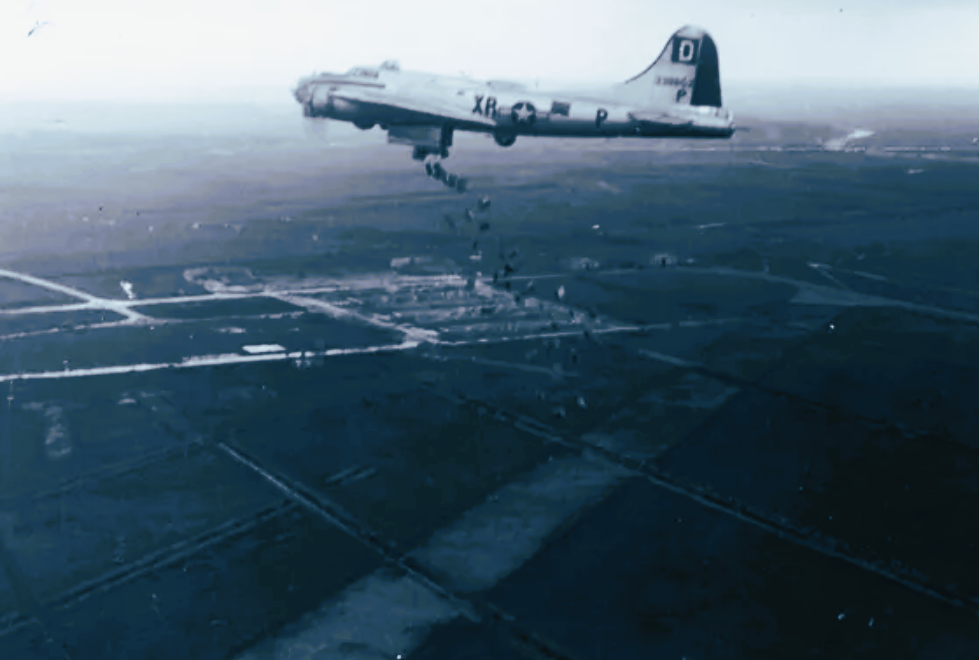
The success of Operation Chowhound, like Operation Manna, demonstrated the compassion and solidarity of the Allied forces toward the civilian populations caught during war. It underscored the importance of humanitarian intervention, even amid military operations, and highlighted the commitment of the Allies to support those in need and uphold the principles of freedom and democracy.
Operation Chowhound remains a testament to the spirit of cooperation and humanity that prevailed during World War II and serves as a reminder of the enduring bonds between nations in times of crisis.
Sources
https://time.com/3751276/world-war-ii-operation-manna-chowhound-hunger-winter
https://www.100bgmus.org.uk/single-post/operation-chowhound
https://www.environmentandsociety.org/tools/keywords/dutch-hunger-winter-1944-45
https://www.tracesofwar.com/articles/7130/Hunger-winter.htm
Operation Manna

Donation
Your readership is what makes my site a success, and I am truly passionate about providing you with valuable content. I have been doing this at no cost and will continue to do so. Your voluntary donation of $2 or more, if you are able, would be a significant contribution to the continuation of my work. However, I fully understand if you’re not in a position to do so. Your support, in any form, is greatly appreciated. Thank you. To donate, click on the credit/debit card icon of the card you will use. If you want to donate more than $2, just add a higher number in the box left from the PayPal link. Your generosity is greatly appreciated. Many thanks.
$2.00
 History of Sorts
Leave a comment