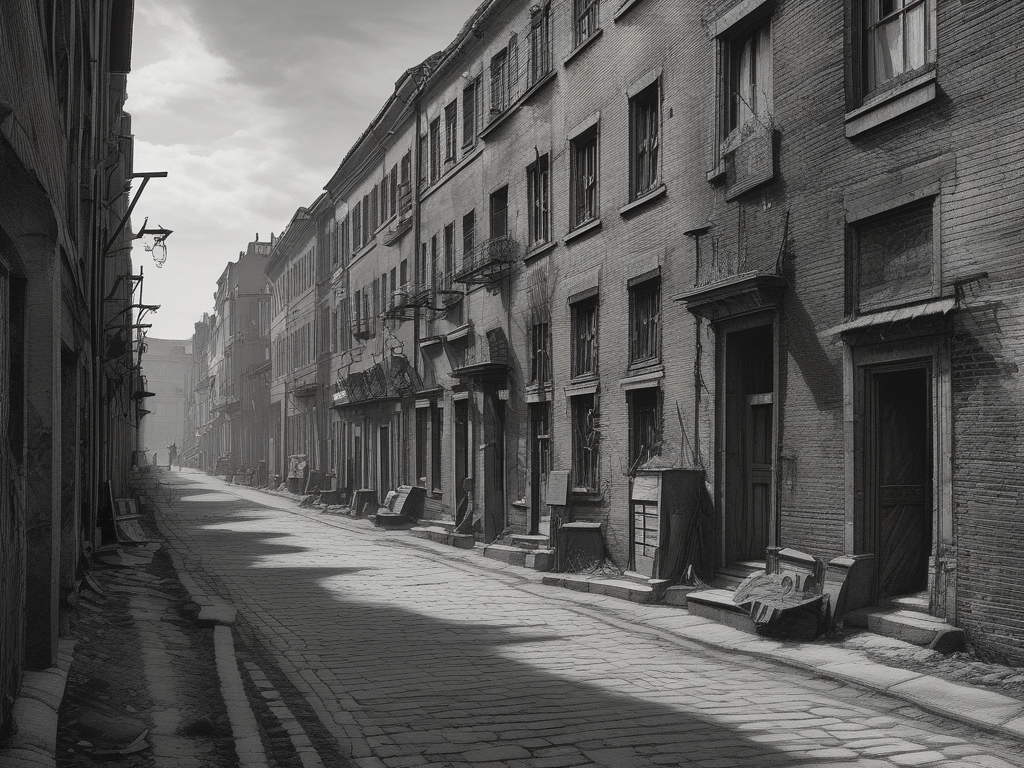
The Grossaktion Warsaw, also known as the Warsaw Ghetto Grossaktion, stands as one of the most harrowing episodes of the Holocaust. Initiated by Nazi Germany during World War II, this operation aimed at the mass deportation and extermination of Jews from the Warsaw Ghetto. The event not only underscores the brutality of the Nazi regime but also highlights the resilience and resistance of the Jewish community in the face of annihilation.
The Nazis established the Warsaw Ghetto in October 1940 following their occupation of Poland. Encompassing a mere 2.4% of Warsaw’s area, the Ghetto housed nearly 30% of the city’s population—primarily Jews, forcibly relocated from other parts of the municipality and the surrounding regions. By 1942, the Ghetto’s population swelled to approximately 400,000, living in squalid and overcrowded conditions, cut off from the rest of the city by a high wall topped with barbed wire.
On 19 July 1942, SS Chief Heinrich Himmler ordered Friedrich-Wilhelm Krüger, the SS commander in charge of the General Government, to carry out the ‘resettlement of the whole Jewish population of the General Government by 31 December 1942.
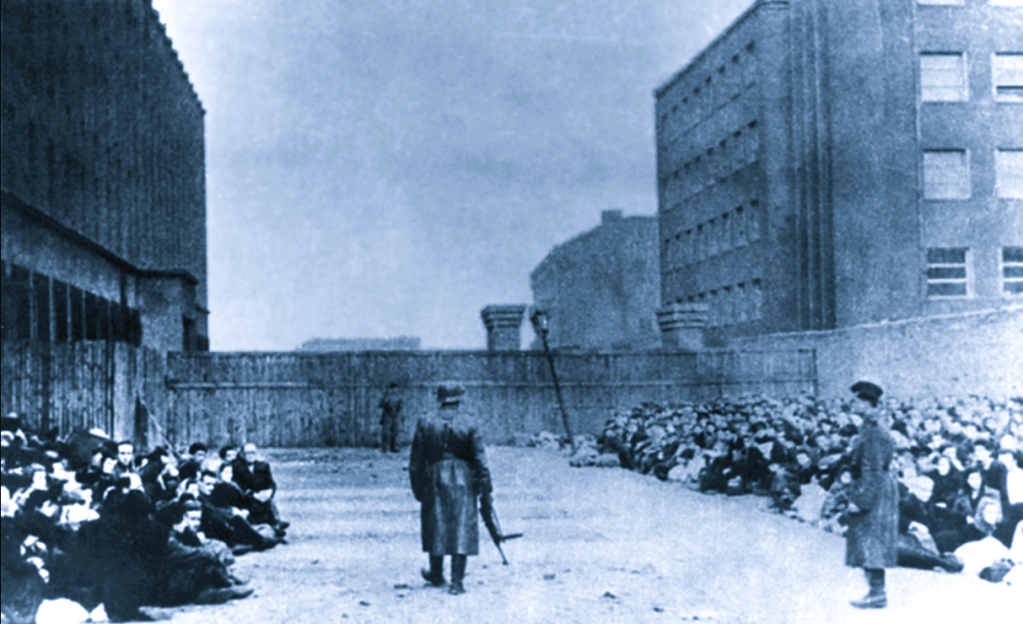
On 22 July 1942, the Grossaktion Warsaw commenced under the orders of SS and Police Leader Ferdinand von Sammern-Frankenegg, later replaced by Jürgen Stroop. The operation was liquidating the ghetto by systematically deporting its residents to extermination camps. The daily round-ups (łapanka) were marked by extreme violence, as the Nazis forcibly took Jewish men, women, and children from their homes, streets, and workplaces and taken to Umschlagplatz, a holding area next to the railway station. From there, the Nazis transported them to the Treblinka Extermination Camp.
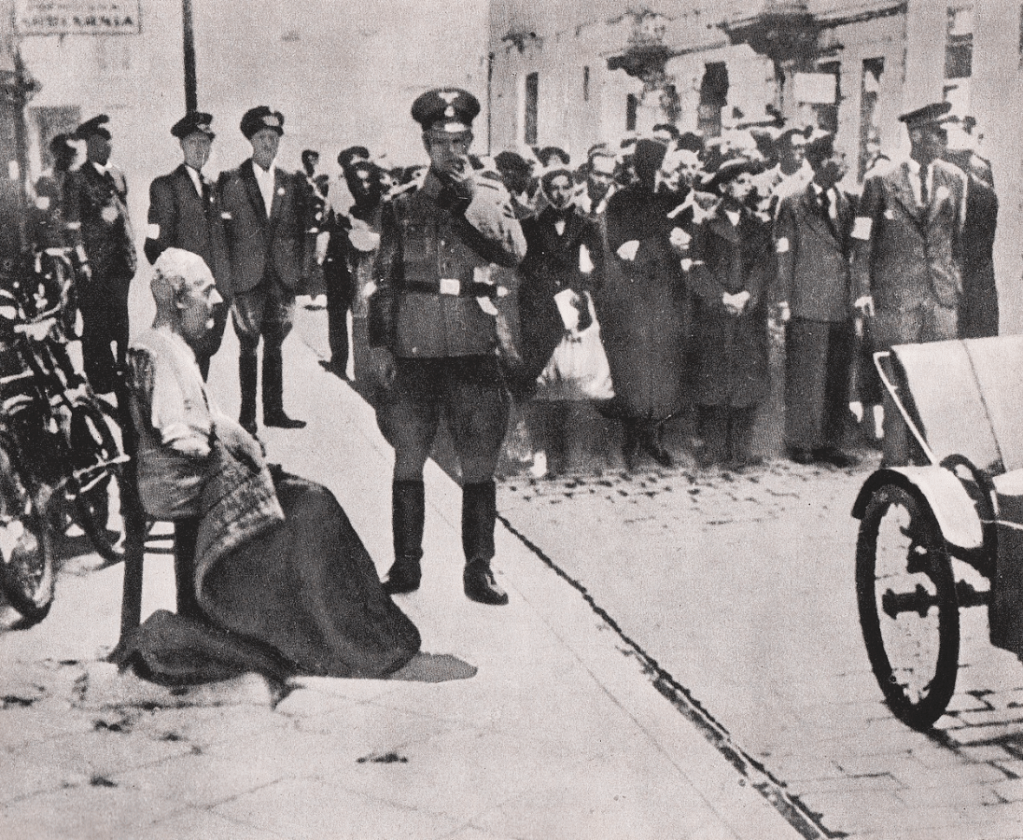
Throughout the operation, the human cost of the Grossaktion Warsaw was staggering. It ended on 21 September 1942, with more than 250,000 Jews deported to Treblinka. The majority, upon arrival, were immediately escorted to the gas chambers. Thousands more perished in the Ghetto due to starvation, disease, or direct violence by the Nazis. By the end of the Grossaktion, the population of the Warsaw Ghetto had dwindled to around 55,000 to 60,000 individuals.
The brutality of the Grossaktion Warsaw galvanized the remaining ghetto inhabitants, leading to increased resistance efforts. Underground organizations such as the Jewish Combat Organization (ŻOB) and the Jewish Military Union (ŻZW) emerged, determined to fight against the Nazi regime. This spirit of defiance culminated in the Warsaw Ghetto Uprising in April 1943, where Jewish fighters launched a coordinated armed resistance against the Nazi forces. Though ultimately crushed, the uprising symbolized the courage and resilience of the Jewish community.
The Grossaktion Warsaw is a stark reminder of the atrocities committed during the Holocaust. It exemplifies the extreme measures taken by the Nazi regime in their genocidal campaign against the Jews. The systematic nature of the deportations, the sheer scale of the killings, and the inhuman conditions endured by the ghetto residents underscore the horrific reality of the Holocaust.
Moreover, the Grossaktion Warsaw highlights the importance of historical memory. It serves as a somber reminder of the dangers of unchecked hatred and bigotry, urging contemporary societies to remain vigilant against such forces. The resilience of the Jewish community, as evidenced by the Warsaw Ghetto Uprising, also offers a powerful testament to the human spirit’s capacity to resist oppression and fight for dignity and justice.
The Poles, especially those living in Warsaw, were fully aware of what was happening behind the wall in the Ghetto during the summer of 1942. After the Grossaktion concluded, the Home Army bulletin informed: “Next to the tragedy endured by the Polish citizens, decimated by the enemy, our land has for almost a year witnessed a horrible, planned slaughter of the Jews. This mass murder is unparalleled in human history, all the known atrocities pale in comparison”. The Front for the Rebirth of Poland was very negative in its assessment of the indifference – often expressed by many Poles – deeming them “Pilates who washed their hands.” Such wording proved that at least some Poles realised the tragedy that befell their fellow countrymen—the Polish Jews.
Sources
https://www.degruyter.com/document/doi/10.1515/9781644697276-011/html
https://www.jhi.pl/en/events/grossaktion-warsaw-80-years-later,1361
Donation
I am passionate about my site and I know you all like reading my blogs. I have been doing this at no cost and will continue to do so. All I ask is for a voluntary donation of $2, however if you are not in a position to do so I can fully understand, maybe next time then. Thank you. To donate click on the credit/debit card icon of the card you will use. If you want to donate more then $2 just add a higher number in the box left from the PayPal link. Many thanks.
$2.00
 History of Sorts
Leave a comment