
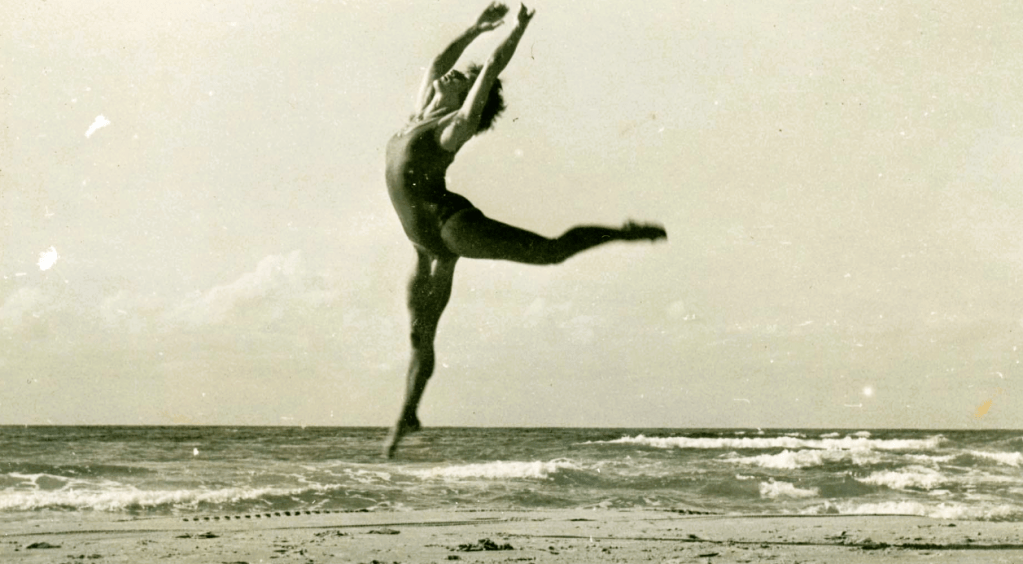
Agnes Keleti is a name synonymous with perseverance, excellence, and an indomitable spirit. She rose to become one of the most celebrated gymnasts in history, winning 10 Olympic medals, including 5 golds. Her story is not just about athletic success; it is also about survival, resilience, and the enduring power of the human spirit. Keleti’s life spans over a century, and she witnessed some of the most tumultuous events of the 20th century, including World War II and the Holocaust, making her achievements even more remarkable.
Early Life and the Onset of War
Agnes Keleti was born on January 9, 1921, in Budapest, Hungary, to a Jewish family, and from an early age, she showed an aptitude for gymnastics. By the time she was 16, she had won the Hungarian National Gymnastics Championship, indicating her potential to become one of the world’s elite gymnasts. However, her promising career was abruptly interrupted by the outbreak of World War II. As the war escalated and Hungary became increasingly dangerous for Jews, Keleti’s life took a harrowing turn.
To escape the Nazi persecution that claimed the lives of many of her family members, including her father, Keleti assumed a false identity and worked as a maid in a remote village.
Keleti’s father, Samuel Klein, was among those deported to Auschwitz, where he perished along with many other members of her extended family. The loss of her father and the constant threat of death were traumatic experiences that would leave a lasting impact on her.
To avoid the same fate as her father, Agnes Keleti went into hiding. She obtained false identification papers under the name “Piroska Juhász” and posed as a Christian maid in a remote village. This daring act of assuming a false identity was one of the few options available to Jews who sought to escape Nazi persecution. Living under a false identity required constant vigilance, as any mistake could lead to exposure, arrest, and likely death.
During this time, Keleti had to suppress her identity and live in fear of being discovered. The psychological toll of hiding, coupled with the loss of loved ones, was immense. Yet, despite the danger, Keleti’s will to survive was unyielding. She later recounted that the experience of hiding and living under a false identity was one of the most challenging periods of her life.
Despite the unimaginable hardships, she managed to survive, and her passion for gymnastics never waned. After the war, she resumed her training. Still the scars of the Holocaust would forever be a part of her identity, influencing her perspective on life and competition.

Post-War Career and Olympic Glory
After World War II, Keleti returned to competitive gymnastics with renewed vigor. However, due to a severe injury, she missed the 1948 London Olympics. This setback only fueled her determination. At the age of 31, considered an advanced age in gymnastics, she made her Olympic debut at the 1952 Helsinki Games. There, she won four medals: one gold, one silver, and two bronzes. Her gold medal in the floor exercise was particularly significant, as it showcased her artistic grace and technical prowess.
The 1956 Melbourne Olympics marked the pinnacle of Keleti’s career. At 35, an age when most gymnasts had long retired, she achieved a feat that remains one of the most extraordinary in Olympic history. She won six medals, including four golds, dominating the competition. Her gold medals in the floor exercise, uneven bars, balance beam, and the team event were a testament to her exceptional talent and mental toughness. Keleti’s performance in Melbourne was a rare and Remarkable display of resilience and determination.
Life After Competitive Gymnastics
Following her Olympic triumphs, Keleti’s life took another dramatic turn. The 1956 Hungarian Revolution against Soviet rule erupted while she was competing in Melbourne. Fearing persecution upon her return to Hungary, Keleti defected to Australia and later settled in Israel. In Israel, she played a crucial role in developing gymnastics, coaching the national team, and contributing to the growth of the sport in her adopted country.
In addition to her coaching career, Keleti also pursued academics, earning a degree in physical education and becoming a respected educator. Her influence extended beyond the gym, as she helped shape the next generation of athletes and instilled in them the values of perseverance, discipline, and hard work.
Legacy and Recognition
Agnes Keleti’s legacy is multifaceted. As an athlete, she is one of the most decorated Olympians in history, and her achievements in gymnastics are unparalleled. However, her story transcends sports. Keleti’s life is a testament to the strength of the human spirit in the face of adversity. She survived the Holocaust, overcame the trauma of war, and went on to achieve greatness in a field where youth and physical prime are often considered prerequisites for success.
Agnes Keleti’s contributions to gymnastics have left a global footprint. Her induction into the International Gymnastics Hall of Fame in 2002 and the numerous honors she received from Hungary and Israel are a testament to her significant impact on sports and society. Even in her advanced age, Keleti’s optimism, wisdom, and zest for life continued to inspire people worldwide. Her 100th birthday in 2021 was a celebration not just of her longevity but also of the incredible journey that defined her life.
Agnes Keleti’s life is an extraordinary narrative of resilience, adaptability, and excellence. From the devastation of the Holocaust to the heights of Olympic glory, Keleti’s story is a powerful reminder of what can be achieved through determination and a refusal to succumb to the hardships of life. Her legacy as one of the greatest gymnasts of all time is secure, but it is her personal journey of survival, triumph, and reinvention that truly sets her apart as an inspirational figure. Agnes Keleti is not just a sports icon; she is a symbol of hope and the enduring human spirit.
On January 9, 2024, the world celebrated another milestone in Agnes Keleti’s remarkable life as she turned 103.
Sources
https://olympics.com/en/athletes/agnes-keleti
https://jer-cin.org.il/en/movie/60793
https://blog.nli.org.il/en/lbh-agnes-keleti/
Donation
I am passionate about my site and I know you all like reading my blogs. I have been doing this at no cost and will continue to do so. All I ask is for a voluntary donation of $2, however if you are not in a position to do so I can fully understand, maybe next time then. Thank you. To donate click on the credit/debit card icon of the card you will use. If you want to donate more then $2 just add a higher number in the box left from the PayPal link. Many thanks.
$2.00
 History of Sorts
Leave a comment