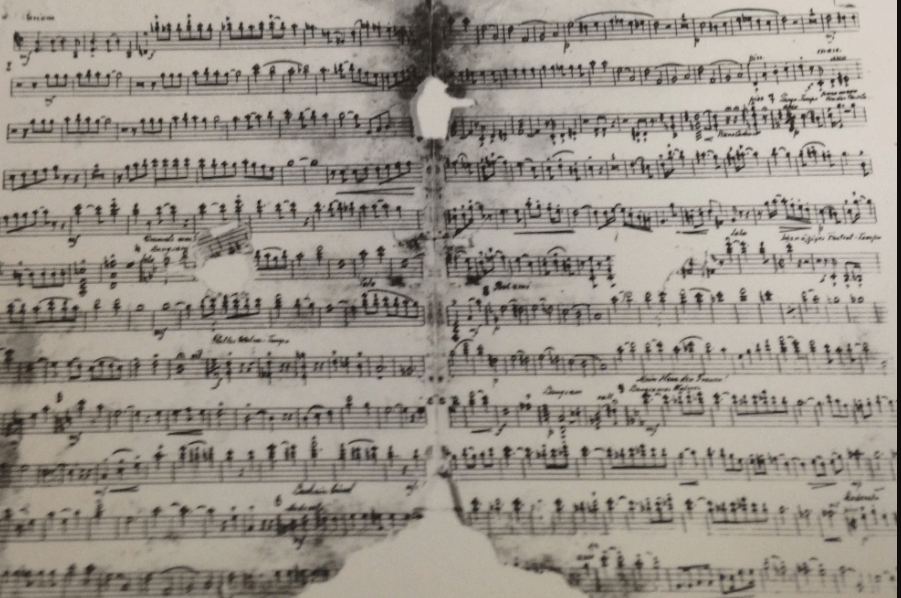
During the Holocaust, several Nazi concentration camps had orchestras composed of prisoners. These orchestras were used for propaganda, forced to play during appalling situations such as executions, roll calls, and as prisoners were marched to forced labor or gas chambers. Below are some of the most notable orchestras formed in concentration camps.
The Auschwitz-Birkenau Women’s Orchestra
The Auschwitz-Birkenau Women’s Orchestra, also known as the Women’s Orchestra of Auschwitz, was one of the most poignant examples of the tragic paradoxes that characterized life in Nazi concentration camps. Established in 1943 at the Auschwitz II-Birkenau camp, the orchestra was a group of female prisoners compelled to perform under harrowing conditions. Despite being created for the Nazis’ propaganda and practical purposes, the orchestra also became a fragile lifeline for its members, offering them temporary reprieve from the daily horrors of camp life.
Formation and Leadership
The Auschwitz-Birkenau Women’s Orchestra was founded in April 1943, under the orders of the SS, as part of the broader system of prisoner orchestras that existed across various Nazi concentration camps. The orchestra’s primary purpose was to play during roll calls, which often lasted for hours, and to perform as prisoners were marched to and from forced labor. Additionally, the orchestra performed for SS officers’ entertainment, for official camp ceremonies, and even during the arrival of new prisoners, who were often unaware of their impending fate.
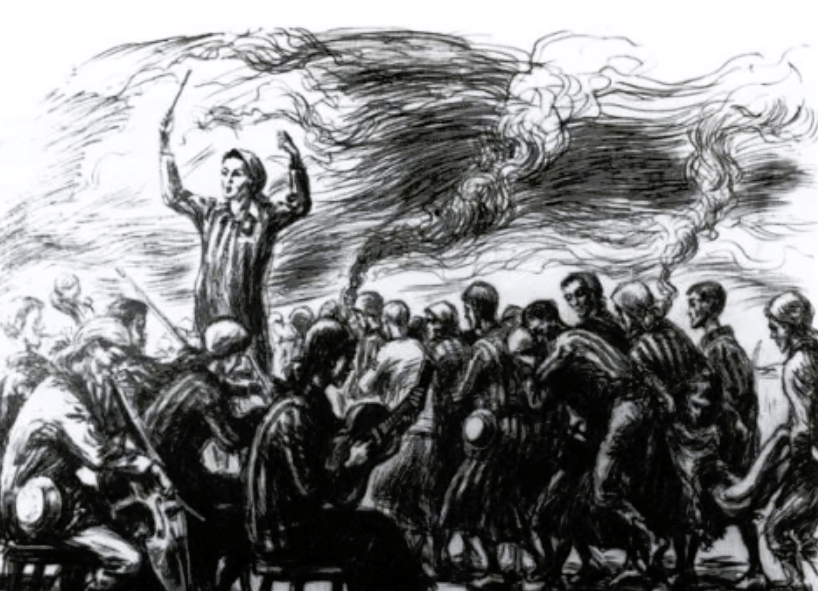
The orchestra was initially led by Zofia Czajkowska, a Polish music teacher and violinist. Still in August 1943, the leadership was taken over by Alma Rosé, a renowned Austrian-Jewish violinist and conductor. Rosé was the niece of the famous composer Gustav Mahler, and her appointment significantly impacted the orchestra’s operation. Under her leadership, the orchestra’s musical standards improved, and the group expanded to include over forty members, many of whom were professional musicians. Rosé’s strict discipline and high expectations were driven by the knowledge that the orchestra’s survival depended on their ability to meet the SS’s demands.
Life in the Orchestra
For the women of the Auschwitz-Birkenau Orchestra, membership was both a curse and a blessing. On one hand, being part of the orchestra provided them with better living conditions than those faced by the majority of Auschwitz’s prisoners. They were exempt from hard labor, received slightly better food, and were housed in separate barracks. Most importantly, they were temporarily protected from immediate execution as long as their musical services were needed.
On the other hand, the psychological toll of performing under such circumstances was immense. The orchestra was often forced to play cheerful marches as prisoners, including children and the elderly, were led to the gas chambers. The musicians were acutely aware of the grotesque irony that their music, meant to bring beauty and joy, was being used as a tool of deception and control by the Nazis. The emotional burden of this realization was compounded by the constant fear that any mistake could lead to brutal punishment or death.
Despite these overwhelming pressures, the orchestra members formed strong bonds of solidarity. Alma Rosé, though strict, was intensely protective of her musicians and used her influence to shield them from the worst abuses. She insisted on maintaining high musical standards, not just to satisfy the SS but also to preserve the dignity and humanity of her fellow prisoners in the face of unimaginable degradation.
The Orchestra’s End and Legacy
The Auschwitz-Birkenau Women’s Orchestra continued to operate until October 1944, when the camp’s operations began to wind down in the face of the advancing Soviet army. Alma Rosé tragically died of a sudden illness in April 1944, a loss that profoundly affected the orchestra members. After her death, the orchestra’s morale and cohesion weakened, but it continued to function until its disbandment.
The fate of the orchestra members varied. Some were transferred to other camps, where they faced further persecution, while others managed to survive until liberation. The story of the Auschwitz-Birkenau Women’s Orchestra remains a stark reminder of the complex and often contradictory realities of life in the concentration camps. The musicians lived in a constant state of tension between survival and despair, between the preservation of their humanity and the complicity forced upon them by their captors.
The Theresienstadt Ghetto Orchestra
The Theresienstadt Ghetto, also known as Terezín, was a Nazi concentration camp and ghetto established in 1941 in what is now the Czech Republic. Unlike other camps, Theresienstadt was presented by the Nazis as a “model ghetto” to deceive the international community about the true nature of the Holocaust. This deception allowed a degree of cultural life to exist within the ghetto, albeit under severe restrictions and in the shadow of constant terror. Among the most remarkable aspects of this cultural life was the Theresienstadt Ghetto Orchestra, which became a symbol of both the resilience and the tragic fate of the Jewish prisoners.
The Establishment of Theresienstadt
Theresienstadt was originally a fortified town, repurposed by the Nazis to serve as a transit camp for Jews en route to extermination camps like Auschwitz. The camp was also used for propaganda, presented as a “retirement settlement” for elderly and prominent Jews. The Nazis permitted cultural activities in the ghetto to create a facade of normalcy, allowing music, theater, art, and education to flourish to some extent. However, these cultural activities existed under the constant threat of deportation, starvation, and death.
Formation of the Orchestra
The Theresienstadt Ghetto Orchestra was formed shortly after the establishment of the ghetto, bringing together Jewish musicians who had been prominent in European cultural life before the war. Among the musicians were some of Europe’s finest composers, conductors, and instrumentalists, many of whom were already renowned before their imprisonment. The orchestra eventually grew to include several different ensembles, including chamber groups, jazz bands, and a full symphony orchestra.
One of the most significant figures associated with the Theresienstadt Orchestra was composer and conductor Rafael Schächter. Schächter, who had been a successful conductor in Prague, was deported to Theresienstadt in 1941. Despite the brutal conditions, he immediately began organizing musical activities, including opera performances, chamber music, and choral works. His work was not only an act of defiance but also a way to maintain the humanity of his fellow prisoners.

Life and Music in the Ghetto
The orchestra and other musical groups in Theresienstadt provided a brief respite from the harsh realities of ghetto life. They performed in cramped, overcrowded spaces, often with inadequate instruments, yet they managed to maintain a high level of artistry. The repertoire included works by classical composers like Beethoven and Mozart, as well as compositions by Jewish composers, some of whom were imprisoned in the ghetto. Notably, several important works were composed in Theresienstadt, including Viktor Ullmann’s opera Der Kaiser von Atlantis and Hans Krása’s children’s opera Brundibár.
These performances were not merely for entertainment; they were acts of spiritual resistance. For the musicians and the audience, music offered a sense of normalcy and cultural continuity, providing a mental escape from the camp’s horrors. The performances allowed the prisoners to assert their identity and humanity in the face of dehumanization. The act of creating and appreciating art became a profound form of psychological survival.
The orchestra also played a central role in the Nazi propaganda efforts. In June 1944, Theresienstadt was visited by representatives of the International Red Cross, who had been invited by the Nazis to inspect the camp. The visit was part of an elaborate ruse to convince the world that Jews were being treated humanely. The orchestra was forced to perform during this visit, contributing to the illusion of a vibrant cultural community. Shortly after the visit, many of the orchestra members, including Schächter, were deported to Auschwitz, where most were murdered.
Legacy of the Theresienstadt Orchestra
The story of the Theresienstadt Ghetto Orchestra is a poignant reminder of the power of art and music to endure even in the most horrific circumstances. The orchestra and the broader cultural life of Theresienstadt have become a symbol of the resilience of the human spirit. Despite the overwhelming oppression, the musicians continued to create, perform, and inspire, demonstrating that art could thrive even in a world designed to destroy it.
After the war, the legacy of the Theresienstadt musicians lived on through the testimonies of survivors and the works that were composed during that time. Viktor Ullmann, Pavel Haas, Hans Krása, and other composers who perished in the Holocaust left behind works that are now performed as part of the repertoire that honors their memory and artistic achievements.
The Majdanek Concentration Camp Orchestra
The Majdanek concentration camp, located on the outskirts of Lublin, Poland, was one of the most brutal Nazi exterminations and forced labor camps. Established in October 1941, it was initially intended for Soviet prisoners of war but quickly expanded to include Jews, political prisoners, and other groups targeted by the Nazis. Amidst the horror and deprivation of camp life, an orchestra was formed, composed of prisoners who were forced to perform under duress. The Majdanek Concentration Camp Orchestra stands as a chilling example of how music, often a source of comfort and humanity, was manipulated by the Nazis as a tool of control while also serving as a fragile lifeline for the musicians who participated.

The Formation of the Majdanek Orchestra
The Majdanek Concentration Camp Orchestra was formed as part of the Nazi strategy to use music to maintain order and morale among the guards while simultaneously exploiting prisoners for forced labor and entertainment. Like in other camps, the orchestra at Majdanek was created to play during roll calls, marches to and from forced labor, and to entertain the SS officers stationed at the camp. The orchestra was established sometime in 1942, when the camp’s operations expanded significantly, and it remained active until the camp was liberated by the Soviet Red Army in July 1944.
The members of the orchestra were primarily Jewish prisoners; however, it also included Poles, Soviet prisoners of war, and other inmates. Many of these musicians were professionals before their imprisonment, while others were amateurs who were coerced into joining the group. For these prisoners, joining the orchestra offered a chance for survival, as it meant temporary protection from the gas chambers or hard labor. However, this protection came at a heavy psychological cost, as they were forced to perform in a setting of unimaginable brutality.
Role and Function of the Orchestra
The Majdanek Orchestra was compelled to perform in a variety of grim circumstances. One of its primary functions was to play during roll calls, which often lasted for hours in the freezing cold or scorching heat. The orchestra also played when prisoners were marched out of the camp to perform forced labor and when they returned at the end of the day, often exhausted or injured. In addition to these duties, the orchestra was forced to perform for the entertainment of the SS guards and officers. These performances could include popular German songs, military marches, and classical music, often played in close proximity to scenes of death and suffering.
The music served multiple purposes for the Nazis. It was a means of dehumanizing the prisoners, forcing them to create beauty in the midst of horror, and it was also used as a tool of psychological torture. The orchestra was sometimes made to play during executions, forcing the musicians to witness the deaths of fellow prisoners while maintaining their performance. The cheerful or martial music contrasted grotesquely with the grim realities of the camp, underscoring the sadistic nature of the camp’s operations.
Life for the Orchestra Members
Life in the Majdanek Orchestra, while offering a temporary reprieve from the harshest conditions of the camp, was fraught with its own dangers and moral dilemmas. The musicians received slightly better treatment than the average prisoner; they were often given extra rations and were exempt from the most physically demanding labor. However, this relative privilege came at the cost of intense emotional strain. The musicians were acutely aware that their survival was tied to the whims of their captors, and any mistake during a performance could lead to severe punishment or death.
Moreover, the members of the orchestra grappled with profound guilt and anguish. They were forced to use their talents in service of the very regime that sought to annihilate them, and they were often haunted by the knowledge that while they played, other prisoners were being marched to their deaths. The moral compromises required for survival in the orchestra left many with deep scars that lingered long after the war.
The End of the Orchestra and the Liberation of Majdanek
The Majdanek Concentration Camp was liberated by the Soviet Red Army on July 22, 1944, making it one of the first significant camps to be freed by Allied forces. By this time, the orchestra had already disbanded, as many of its members had been deported to other camps, executed, or perished from the brutal conditions at Majdanek. The camp’s liberation revealed the full extent of the atrocities committed there, including the fate of many orchestra members who had not survived.
The story of the Majdanek Orchestra, like those of other concentration camp orchestras, underscores the complex and often tragic ways in which art and music intersected with the Holocaust. For the musicians, playing in the orchestra was a means of staying alive; however, it was also a source of profound moral conflict and despair. Their performances, coerced and perverted by the Nazis, served as a bitter reminder of how the regime exploited every aspect of life, even music, for its own ends.
The Mauthausen Concentration Camp Orchestra
The Mauthausen concentration camp, located near the town of Mauthausen in Austria, was one of the most notorious Nazi labor camps, infamous for its brutal treatment of prisoners and high mortality rate. Established in August 1938, shortly after the annexation of Austria by Nazi Germany, Mauthausen became a symbol of cruelty and inhumanity. Amid the horrors of the camp, the Nazis, in their perverse logic, established a prisoner orchestra. The Mauthausen Concentration Camp Orchestra exemplifies the disturbing paradox of using music—a universal expression of human emotion and creativity—as a tool of oppression and psychological control while also serving as a fragile lifeline for the musicians who participated.
The Establishment of Mauthausen Concentration Camp
Mauthausen was initially established as a labor camp for political prisoners, particularly those from Austria and other territories occupied by the Nazis. Over time, the camp expanded to include Jews, Romani people, Soviet prisoners of war, and others deemed undesirable by the Nazi regime. The camp was classified as a “Grade III” camp, indicating that it was intended for prisoners considered irredeemable by the Nazis. As a result, the conditions at Mauthausen were among the harshest in the Nazi camp system. Prisoners were subjected to grueling forced labor, starvation, disease, and routine executions, with the infamous “Stairs of Death”—186 steep steps leading from the quarry to the camp—becoming a symbol of the camp’s brutality.

Formation of the Mauthausen Orchestra
The Mauthausen Concentration Camp Orchestra was formed in 1942 as part of a broader practice in Nazi concentration camps of establishing orchestras for the purposes of propaganda, morale management, and control. The orchestra was composed of prisoners who were forced to perform under the threat of punishment or death. Many of the musicians were professional or semi-professional instrumentalists before their imprisonment, hailing from various countries and backgrounds. The orchestra, like others in the concentration camp system, was used by the SS for multiple purposes, including entertainment, roll calls, and official events.
The orchestra at Mauthausen, like its counterparts in other camps, played a dual role. On the one hand, it was a means for the SS to maintain order and boost their own morale. On the other hand, for the prisoners involved, participation in the orchestra often meant a temporary reprieve from the back-breaking labor and constant danger that defined life in the camp. Being part of the orchestra could provide slightly better living conditions, such as improved rations or exemption from the most dangerous tasks. However, this relative privilege was always precarious, subject to the whims of the camp guards.
Role and Functions of the Orchestra
The Mauthausen Concentration Camp Orchestra was forced to perform in a variety of settings, each reflecting the twisted logic of the Nazi regime. One of its primary functions was to play during roll calls, a daily ritual in which prisoners were counted, often while standing for hours in extreme weather conditions. The orchestra also played as prisoners were marched to and from the labor sites, including the notorious quarry where many prisoners met their deaths. Additionally, the orchestra was used to entertain the SS officers and guards during their off-duty hours, performing popular songs, marches, and classical pieces.
The use of music in Mauthausen served a deeply perverse purpose. The cheerful or martial tunes played by the orchestra contrasted starkly with the suffering and despair of the prisoners, adding a layer of psychological torture. The music was a tool for dehumanization, forcing prisoners to create beauty and order in the midst of chaos and horror. Moreover, the orchestra was sometimes made to perform during executions. This act underscored the grotesque irony of the situation: prisoners were compelled to play music. At the same time, their fellow inmates were being murdered.
The Experience of the Musicians
For the musicians in the Mauthausen Concentration Camp Orchestra, participation was both a blessing and a curse. On the one hand, being in the orchestra provided a temporary escape from the most brutal aspects of camp life. The musicians were often spared the worst of the forced labor and received slightly better treatment than the average prisoner. However, this protection came at a steep psychological cost. The musicians were acutely aware that their survival depended on their ability to perform, and any mistake could lead to severe punishment or even death.
The musicians also grappled with profound moral dilemmas. They were forced to use their talents to serve the very regime that sought to annihilate them, playing music that uplifted their captors while witnessing the suffering of their fellow prisoners. The knowledge that their performances were being used as a tool of control and oppression added to the emotional burden. Many orchestra members later spoke of the guilt and anguish they felt, knowing that their music, a source of joy and expression in the outside world, had been perverted into a mechanism of their own survival.
The Liberation of Mauthausen and the Orchestra’s Legacy
Mauthausen was one of the last Nazi concentration camps to be liberated by the Allies. On May 5, 1945, the camp was liberated by the United States Army, bringing an end to its reign of terror. By the time of liberation, most of the orchestra members, like the majority of Mauthausen’s prisoners, had either perished or were in extremely poor health. The orchestra was disbanded, its members dispersed or dead, leaving behind a legacy marked by the contradictions and horrors of life in the camp.
The story of the Mauthausen Concentration Camp Orchestra is a haunting reminder of the depths of cruelty to which humanity can sink and the ways in which art and music can be twisted for evil purposes. Yet, it also reflects the resilience of the human spirit. For the musicians who survived, their time in the orchestra was a testament to their will to live, even in the face of unimaginable suffering. The legacy of the Mauthausen Orchestra, like those of other camp orchestras, serves as a powerful symbol of both the best and worst aspects of human nature.
The Buchenwald Concentration Camp Orchestra
and Fritz Löhner-Beda
The Buchenwald Concentration Camp, located near Weimar, Germany, was one of the most prominent and notorious camps established by the Nazi regime. Among the many horrors that took place within its walls, one of the more paradoxical aspects of camp life was the existence of a prisoner orchestra. The Buchenwald Concentration Camp Orchestra, like those in other Nazi camps, was forced to perform for the SS guards and during camp ceremonies. This essay explores the role of the Buchenwald orchestra and the tragic fate of Fritz Löhner-Beda, an accomplished lyricist and librettist who perished in the camp.
The Buchenwald Concentration Camp and Its Orchestra
Buchenwald was established in July 1937, initially as a camp for political prisoners. Over time, it expanded to include Jews, Romani people, Jehovah’s Witnesses, homosexuals, and other groups persecuted by the Nazis. The camp became infamous for its brutal conditions, forced labor, medical experiments, and the sadistic cruelty of its guards. Prisoners were subjected to constant violence, starvation, and dehumanization, with many dying from the harsh conditions or being executed.
Amid this grim environment, the Nazis established the Buchenwald Concentration Camp Orchestra. The orchestra was made up of prisoners, many of whom were professional musicians before their imprisonment. The primary purpose of the orchestra was to serve the needs of the SS, playing during roll calls, as prisoners marched to and from forced labor, and at official events and ceremonies. The orchestra also provided entertainment for the SS officers and guards, performing a mix of classical music, marches, and popular songs.
For the prisoners who were part of the orchestra, playing music offered a temporary reprieve from the harsh realities of camp life. Members of the orchestra were sometimes spared from the most grueling labor assignments. They received slightly better treatment, such as improved rations or exemption from specific punishments. However, this relative privilege came with significant psychological costs, as the musicians were forced to perform for their oppressors and contribute to the machinery of their own persecution.
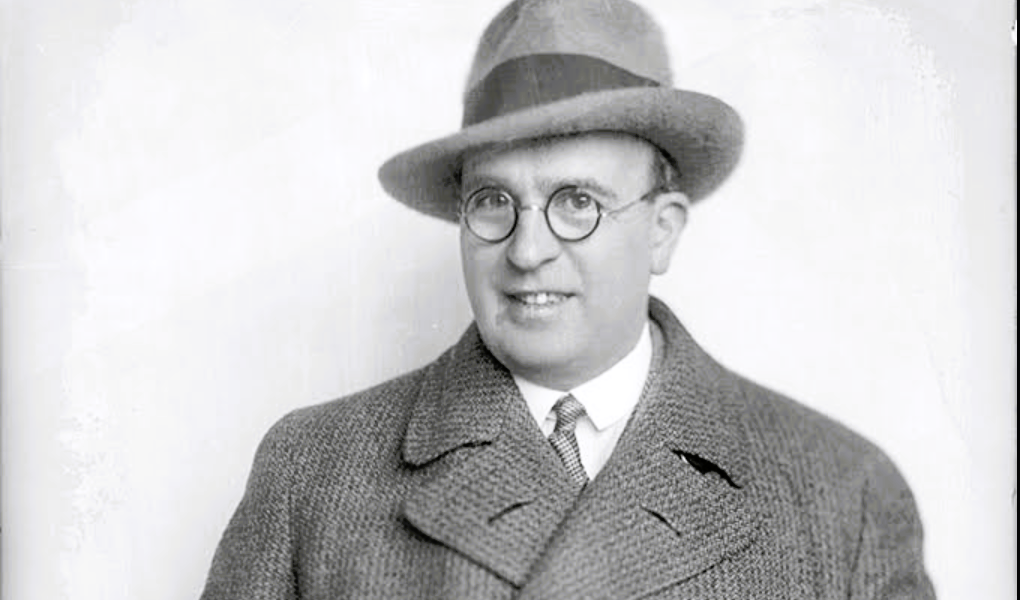
Fritz Löhner-Beda
Fritz Löhner-Beda, born in 1883 in Austria, was a prominent lyricist, librettist, and writer known for his collaborations with composers such as Franz Lehár and Emmerich Kálmán. His work contributed significantly to the world of operetta, with some of his most famous lyrics including those for “Dein ist mein ganzes Herz” (“Yours Is My Heart Alone”), a popular aria from Lehár’s operetta Das Land des Lächelns. Löhner-Beda’s talents made him a celebrated figure in the cultural life of Vienna. Still, his Jewish heritage made him a target of the Nazi regime after the Anschluss in 1938.
In March 1938, following the annexation of Austria by Nazi Germany, Löhner-Beda was arrested by the Gestapo and sent to the Dachau concentration camp. Later that year, he was transferred to Buchenwald. Despite the horrific conditions, Löhner-Beda continued to write, and his creative spirit remained undimmed. While at Buchenwald, he was reportedly involved in the camp’s cultural life, contributing to the artistic and musical efforts of fellow prisoners. He also wrote the Buchenwald song.
However, Löhner-Beda’s story is also tragic. In 1942, he was transferred to Auschwitz, where he was forced into hard labor at the Monowitz subcamp. He endured brutal conditions, and his health deteriorated rapidly. On December 4, 1942, Fritz Löhner-Beda was beaten to death by a kapo (a prisoner assigned by the SS to oversee other prisoners) at Auschwitz. His death marked the silencing of one of the most talented and prolific lyricists of his time, a man whose words had brought joy to millions before the war.
The Role of the Orchestra in Buchenwald
The Buchenwald Concentration Camp Orchestra played a complex and tragic role in camp life. For the SS, the orchestra was a tool of control used to maintain order, boost morale among the guards, and project an image of cultured civility amidst the camp’s barbarity. For the prisoners, the orchestra was a double-edged sword. It offered some musicians a means of survival, albeit temporarily. However, it also required them to confront the moral and emotional contradictions of their situation.
The orchestra was often forced to play during executions, heightening the surreal and cruel nature of the experience. Prisoners marched to their deaths to the sound of music, This grotesque juxtaposition underscored the dehumanizing power of the Nazi regime. The music, which in any other context would be a source of beauty and solace, became part of the machinery of oppression, contributing to the psychological torment of both the musicians and the broader prisoner population.
Legacy of the Buchenwald Orchestra
and Fritz Löhner-Beda
The legacy of the Buchenwald Concentration Camp Orchestra, like that of other camp orchestras, is a poignant reminder of the ways in which art and music were manipulated by the Nazi regime. The orchestra, while providing a lifeline for some, was ultimately a tool of the SS, used to enforce control and inflict further suffering on the prisoners. The story of Fritz Löhner-Beda, who was swept up in the horrors of the Holocaust despite his immense cultural contributions, further illustrates the tragedy of the era.
Löhner-Beda’s works, particularly his operetta lyrics, continue to be celebrated today, serving as a testament to his enduring talent. His fate, however, highlights the devastating impact of the Holocaust on Europe’s cultural and intellectual life. The Nazis’ systematic destruction of Jewish artists, intellectuals, and communities robbed the world of countless voices, with Löhner-Beda’s being just one of many.
“O Buchenwald, ich kann dich nicht vergessen,
weil du mein Schicksal bist.
Wer dich verließ, der kann es erst ermessen,
wie wundervoll die Freiheit ist!
O Buchenwald, wir jammern nicht und klagen,
und was auch unser Schicksal sei,
wir wollen trotzdem Ja zum Leben sagen,
denn einmal kommt der Tag, dann sind wir frei!”
English Translation:
“O Buchenwald, I cannot forget you,
because you are my fate.
Only he who leaves you can appreciate
how wonderful freedom is!
O Buchenwald, we don’t cry and complain;
and whatever our destiny may be,
we nevertheless shall say ‘yes’ to life:
for once the day comes, we shall be free!”
Sources
https://edition.cnn.com/2023/11/24/style/music-auschwitz-premier-gbr-scli-intl/index.html
https://holocaustmusic.ort.org/places/camps/death-camps/auschwitz/camp-orchestras/
https://www.jewishcleveland.org/news/blog/womens_orchestra_of_auschwitz/
https://www.theguardian.com/world/2010/jun/13/terezin-ghetto-jews-holocaust-vulliamy
https://collections.ushmm.org/search/catalog/pa1144948
Donation
I am passionate about my site and I know you all like reading my blogs. I have been doing this at no cost and will continue to do so. All I ask is for a voluntary donation of $2, however if you are not in a position to do so I can fully understand, maybe next time then. Thank you. To donate click on the credit/debit card icon of the card you will use. If you want to donate more then $2 just add a higher number in the box left from the PayPal link. Many thanks.
$2.00

 History of Sorts
Leave a comment