
In the title, I say prelude basically, the Holocaust already started in 1933. Still, the T4 program was the start of the mass killings.
The T4 Euthanasia Program, also known as Aktion T4, represents one of the most chilling manifestations of Nazi ideology and is often considered a precursor to the larger horrors of the Holocaust. Initiated in 1939 under the direct orders of Adolf Hitler, the program aimed to systematically eliminate those deemed “unworthy of life”—primarily individuals with mental and physical disabilities. The program’s name, “T4,” derived from the address of its administrative headquarters at Tiergartenstrasse 4 in Berlin, and it marked the beginning of the Nazi regime’s genocidal policies. This blog explores the origins, implementation, and consequences of the T4 program, as well as its broader implications for understanding the Nazi state and the dehumanization that accompanied its totalitarian vision.
Origins and Ideological Underpinnings
The roots of the T4 program lie in the pseudoscientific eugenics movements that gained traction in Europe and the United States in the early 20th century. Eugenics advocated for the improvement of the human race through selective breeding, sterilization, and the elimination of “undesirable” traits. In Germany, these ideas found fertile ground in the context of the nation’s defeat in World War I, economic turmoil, and widespread fear of societal decay. The Nazi Party, which came to power in 1933, adopted and expanded eugenic principles, integrating them into their broader racial ideology.
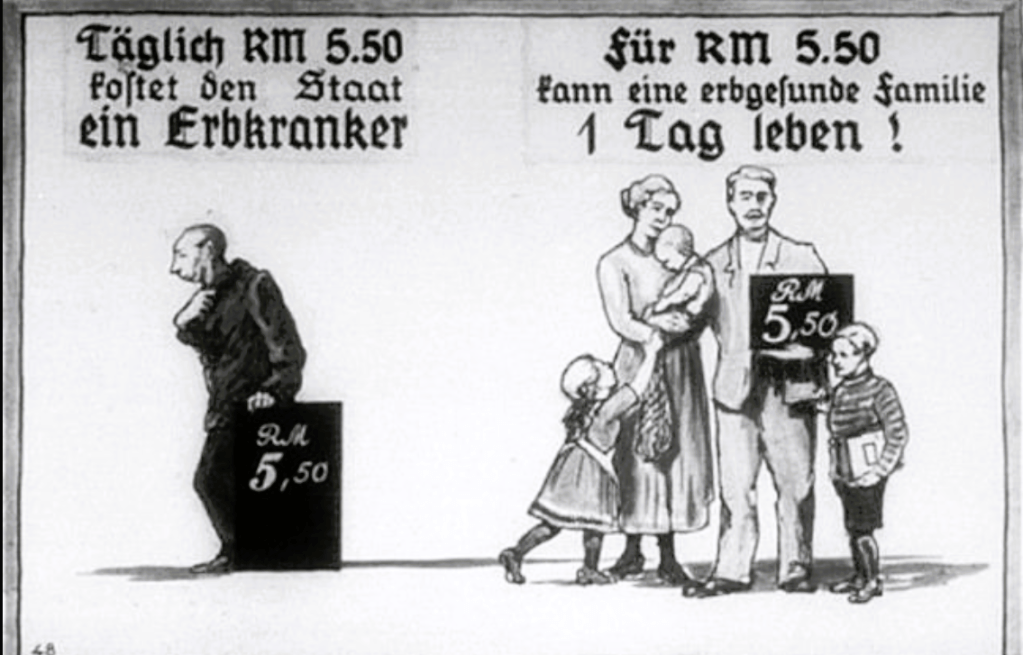
The Nazis viewed individuals with disabilities as “life unworthy of life” (Lebensunwertes Leben) and as a burden on the state. Their goal was to create a “racially pure” and “healthy” Aryan nation, free from those they considered genetically inferior. This dehumanizing ideology laid the foundation for the T4 program, which was justified as a means of relieving society of the economic and social costs of caring for the disabled. The rhetoric of mercy killings, or “euthanasia,” was used to mask the reality of mass murder.
Implementation of the T4 Program
The T4 program was officially launched in September 1939, shortly after the outbreak of World War II. The timing was significant; the chaos of war provided cover for the program’s activities, and the state’s need for resources made the elimination of those considered “useless eaters” seem more urgent to the Nazi leadership.
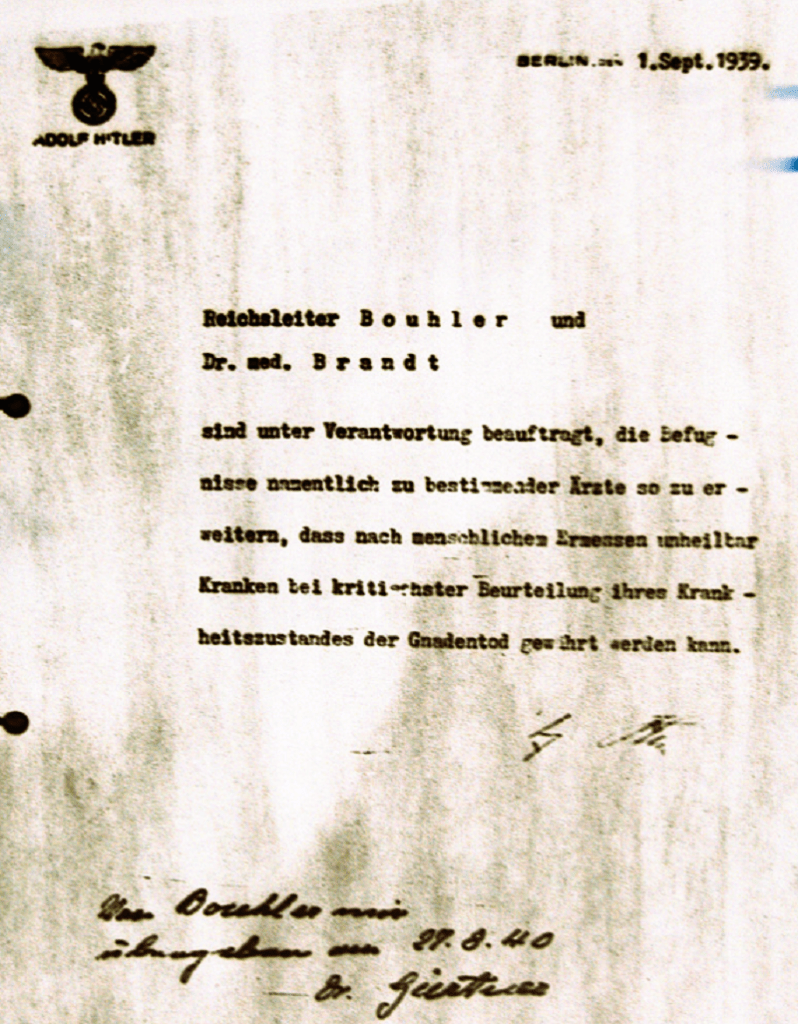
Adolf Hitler signed a “euthanasia note,” backdated to 1 September 1939, which authorised his physician Karl Brandt(pictured at the top) and Reichsleiter Philipp Bouhler to begin the killing.
The program initially targeted infants and young children with severe disabilities. Physicians were required to report all cases of congenital deformities, Down syndrome, cerebral palsy, and other conditions. Once identified, these children were taken to special hospitals where they were killed, often through lethal injections or starvation. Over time, the program expanded to include older children, adolescents, and adults with mental and physical disabilities.
Central to the T4 program was the bureaucratization of murder. Medical professionals, administrators, and public health officials were all involved in the selection, transport, and extermination of victims. The use of euphemisms like “treatment” and “care” further obscured the program’s true purpose. Gas chambers, disguised as shower rooms, were eventually introduced as a more efficient means of killing, a grim foreshadowing of the methods later employed in the extermination camps of the Holocaust.
It is estimated that over 70,000 people were murdered through the T4 program between 1939 and 1941. However, the actual number of victims is likely higher, as the killing of disabled individuals continued in various forms even after the official end of the program.
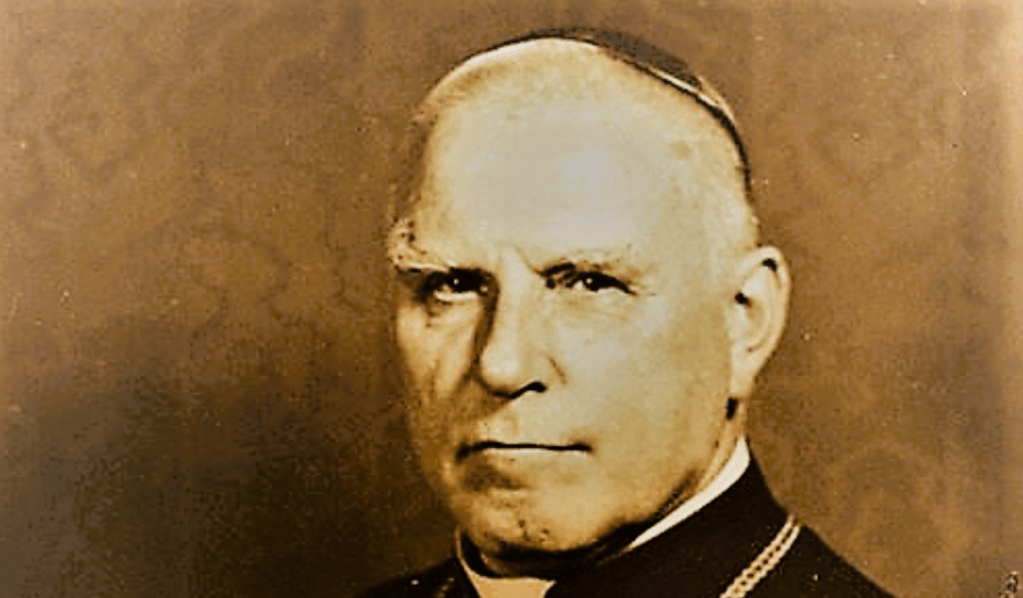
Despite the secrecy surrounding the T4 program, word of the killings began to spread. In 1941, protests from the Catholic Church, particularly from Bishop Clemens von Galen, brought public attention to the program. Von Galen’s sermons condemning the euthanasia killings were widely circulated, leading to widespread outrage. Faced with growing opposition, both domestically and internationally, Hitler ordered the official suspension of the program on August 24. 1941.
However, the suspension was largely superficial. The killings continued in secret, and the machinery of death that had been developed under T4—particularly the use of gas chambers and the bureaucratic processes for mass murder—was soon adapted for the broader genocide of Jews, Romani people, and others during the Holocaust. Many of the doctors and administrators involved in the T4 program later played key roles in the operation of concentration and extermination camps such as Auschwitz and Treblinka.
The Legacy of the T4 Program
The T4 euthanasia program is a dark reminder of the dangers of dehumanization and the capacity of state power to commit atrocities under the guise of medical and social progress. The program demonstrated how ordinary people—doctors, nurses, bureaucrats—could become complicit in mass murder when moral boundaries were eroded by ideology and authority.
The T4 program also highlights the importance of resistance and the role of individuals in speaking out against injustice. The opposition of figures like Bishop von Galen and the public outcry that followed forced the Nazi regime to at least publicly reconsider its actions. However, it did not ultimately halt the killings. This underscores the potential impact of moral courage, even in the face of overwhelming state power.
In the postwar years, the crimes of the T4 program were brought to light during the Nuremberg Trials, where several of the program’s key figures were prosecuted for their roles in the murders. The trials established essential precedents for holding individuals accountable for crimes against humanity, particularly those committed under the guise of state authority and medical legitimacy.
Sources
https://www.britannica.com/summary/T4-Program
https://holocaustcentrenorth.org.uk/blog/the-first-victims-of-the-holocaust/
https://encyclopedia.ushmm.org/content/en/article/euthanasia-program
Donation
Your readership is what makes my site a success, and I am truly passionate about providing you with valuable content. I have been doing this at no cost and will continue to do so. Your voluntary donation of $2 or more, if you are able, would be a significant contribution to the continuation of my work. However, I fully understand if you’re not in a position to do so. Your support, in any form, is greatly appreciated. Thank you. To donate, click on the credit/debit card icon of the card you will use. If you want to donate more than $2, just add a higher number in the box left from the PayPal link. Your generosity is greatly appreciated. Many thanks.
$2.00


 History of Sorts
Leave a reply to dirkdeklein Cancel reply