
The Nazi regime targeted many groups that it considered threatening or undesirable. Among these groups were the Esperanto speakers, whose linguistic and ideological aspirations for global unity stood in direct opposition to the Nazi vision of Aryan racial superiority and rigid nationalism. The persecution of Esperanto speakers was motivated by a combination of anti-Semitism, hostility toward internationalism, and fear of dissent. While this persecution is less well-known than other atrocities of the Nazi era, it represents an essential chapter in the regime’s broader war on intellectual freedom and cultural diversity.
Origins of Esperanto and Its Ideals
Esperanto, a constructed language created by Polish-Jewish ophthalmologist Ludwig Lazarus Zamenhof in 1887, was intended as a neutral, universal auxiliary language to foster international communication and understanding. Zamenhof’s vision was to transcend the linguistic and national boundaries that often fuel conflict and misunderstanding. Rooted in Enlightenment ideals of universalism and human equality, Esperanto soon attracted a diverse following of pacifists, socialists, intellectuals, and internationalists.
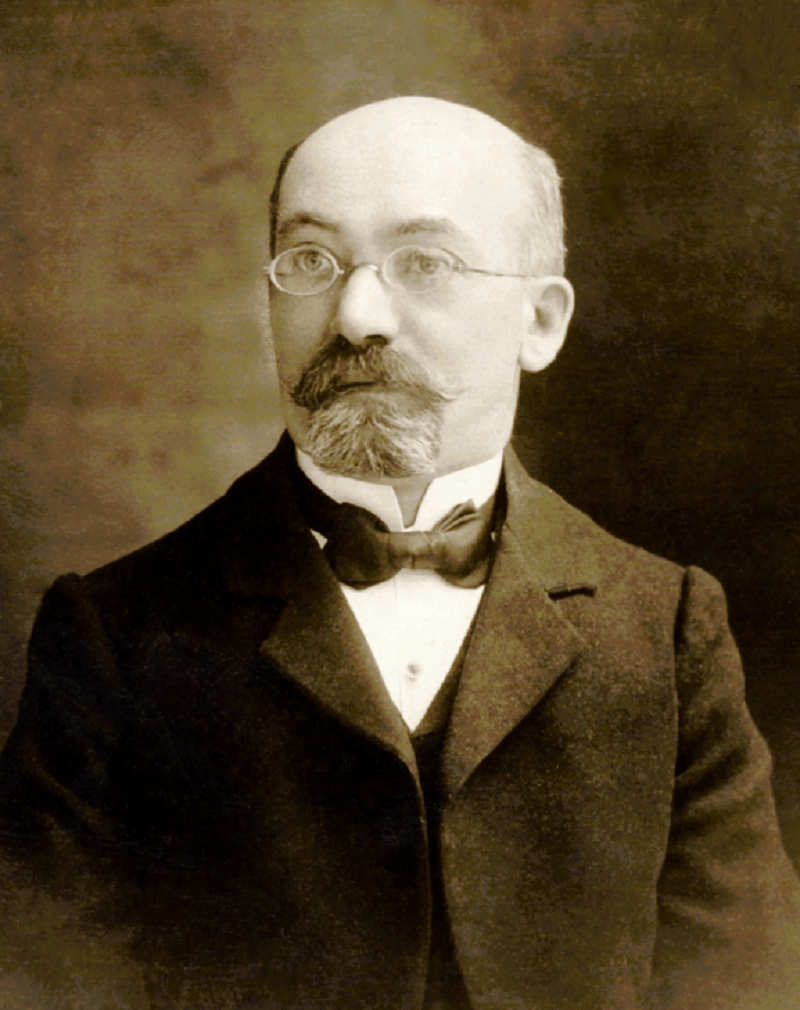
However, it was precisely these ideals of internationalism, egalitarianism, and pacifism that made Esperanto and its speakers a target for the Nazis, whose worldview was based on nationalism, militarism, and racial hierarchy. Moreover, Zamenhof’s Jewish heritage intensified Nazi suspicion, as anti-Semitism was central to the regime’s ideology.
Nazi Distrust of Esperanto: The Role of Anti-Semitism
Anti-Semitism lay at the heart of the Nazi regime’s attitude toward Esperanto. In Adolf Hitler’s Mein Kampf (1925), he explicitly identified Esperanto as part of a supposed Jewish conspiracy for world domination. Hitler feared that Jews and international communists might use Esperanto as a secret code to undermine the German state. Given that Zamenhof was Jewish, the language itself became associated with Jewish intellectualism, which the Nazis sought to eliminate.
For the Nazis, the idea of a Jewish-created international language symbolized everything they despised: cosmopolitanism, egalitarianism, and the weakening of national borders. Nazi propaganda also linked Esperanto to other perceived enemies of the state, including left-wing political movements like communism and socialism, further reinforcing their suspicion of the language and its users.
Suppression of Esperanto in Nazi Germany
When the Nazis seized power in 1933, Esperanto organizations in Germany were among the first to be disbanded. The regime viewed these organizations as potential hubs for subversion due to their connections to internationalist ideals. The German Esperanto Association and other related groups were outlawed, and their members often faced arrest, harassment, or surveillance. Esperanto publications were banned, and libraries or bookstores possessing Esperanto books were raided, with many of the works destroyed.
The repression was not limited to Germany. Across Nazi-occupied Europe, Esperanto speakers were often treated with suspicion, particularly those with connections to Jewish or left-wing communities. The linguistic movement was associated with undesirable elements of society in Nazi ideology, further sealing its fate under the regime.
Individual Persecution of Esperanto Speakers
While Esperanto as a language was repressed, individual Esperanto speakers also faced persecution. Many prominent Esperantists were Jewish, pacifists, or politically left-leaning, all of which made them targets for the Nazis. Some were arrested simply for their involvement in the Esperanto movement. In contrast, others were targeted for their political activities or Jewish heritage.
One of the most significant figures affected by Nazi persecution was Felix Zamenhof, the son of Esperanto’s creator. Several members of the Zamenhof family were murdered during the Holocaust. In concentration camps like Auschwitz and Treblinka, Jewish Esperantists, including members of Zamenhof’s family, were killed as part of the Nazis’ genocidal campaign.
Moreover, there are records of Esperanto speakers being imprisoned in concentration camps for their political affiliations or because they were seen as potential international subversives. The very ideals of peace and cooperation that Esperanto stood for were viewed as threats to the fascist regime. In concentration camps, prisoners who were also Esperantists sometimes used the language as a tool for secret communication among inmates from different countries.
The Broader Nazi Fear of Internationalism
Beyond its association with Judaism, Esperanto represented internationalism, a concept that ran counter to Nazi nationalism and racial purity. The Nazi regime sought to erase any form of global solidarity, fearing it could undermine their efforts to build an ethnically homogeneous, expansionist German state. The Esperanto movement, which promoted global unity and mutual understanding across national boundaries, was seen as dangerously cosmopolitan and counter to the regime’s isolationist, militaristic ambitions.
The Nazis believed that fostering communication between different nationalities could weaken national loyalties and threaten their vision of German supremacy. By promoting a universal language, Esperanto’s advocates were working toward the dissolution of national borders—a prospect the Nazis found terrifying.
Post-War Legacy and Resilience of Esperanto
Despite the severe persecution they faced under the Nazi regime, the Esperanto movement survived the war, though it was severely weakened. After 1945, Esperanto groups were re-established, but many had lost key members and intellectual leaders to the Holocaust or Nazi persecution. The movement had to rebuild, especially in Europe, where it had been strongest before the war.
Ironically, the very internationalism that the Nazis feared helped keep Esperanto alive. Support for the language continued in neutral or non-occupied countries during the war, such as the United States and Switzerland, where Esperantists maintained connections with their European counterparts in secret or from exile. The post-war world, which saw the founding of the United Nations and an increased emphasis on international cooperation, provided a more favorable climate for the resurgence of Esperanto, even as the scars of Nazi repression lingered.
The persecution of Esperanto speakers by the Nazis serves as a reminder of the regime’s all-encompassing assault on freedom, diversity, and intellectual thought. Viewed through the lens of Nazi ideology, Esperanto was more than just a language; it was a symbol of pacifism, internationalism, and egalitarianism—ideals that were anathema to the Nazi worldview. By targeting Esperanto speakers, the Nazis sought to eradicate not only a linguistic movement but also the ideas of peace and global unity that it represented.
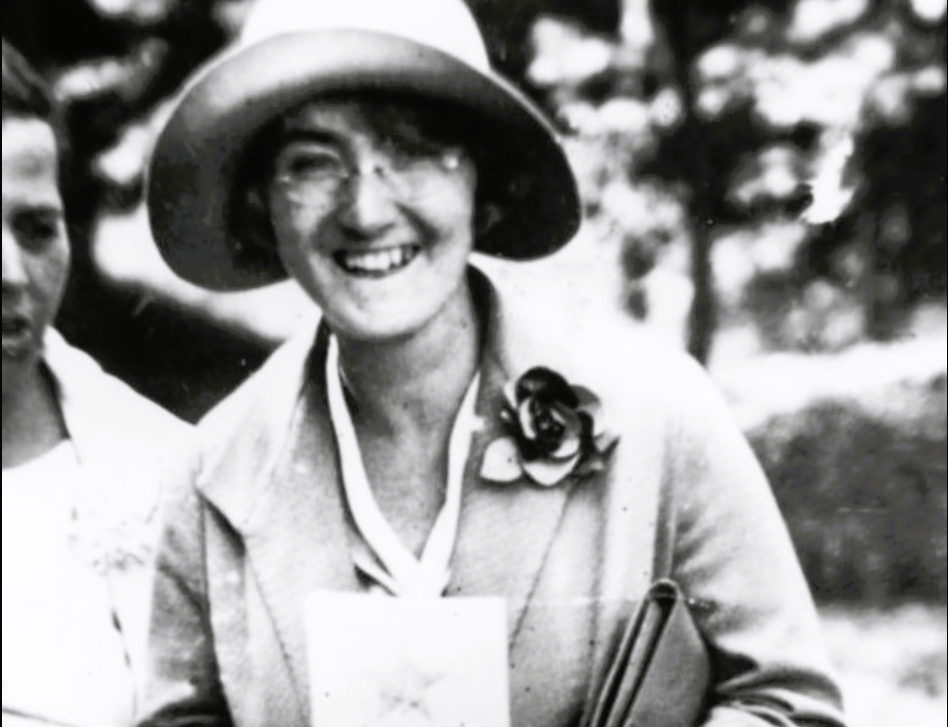
Lidia Zamenhof (1904–1942) was a significant figure in the early 20th-century Esperanto movement and a devoted promoter of the Bahá’í Faith. She was the youngest daughter of Ludwik Lejzer Zamenhof, the creator of Esperanto, and her life and work were deeply intertwined with the ideals of linguistic unity, peace, and religious tolerance.
Early Life and Background
Lidia Zamenhof was born in Warsaw, Poland, into a Jewish family that was culturally progressive. Her father, Ludwik Zamenhof, developed Esperanto as a neutral language to foster understanding between different nationalities and cultures. From a young age, Lidia was deeply influenced by her father’s vision of peace and communication through Esperanto, and she became fluent in the language.
Esperanto Advocacy
Lidia dedicated much of her life to promoting Esperanto as a tool for international peace. She became an active member of the Esperanto movement, traveling widely to teach and spread the language. As an experienced Esperanto teacher, she led intensive courses and was also involved in the Internacia Esperanto-Ligo, which organized conferences and events for Esperanto speakers worldwide.
Lidia’s work in Esperanto was often connected with her broader mission of promoting peace and mutual understanding. She viewed the language not only as a communication tool but as a means to bridge divisions between people of different nations, faiths, and cultures.
Conversion to the Bahá’í Faith
In the early 1920s, Lidia Zamenhof encountered the Bahá’í Faith, a religion that emphasizes the unity of humanity, the elimination of prejudice, and the need for global peace and justice—values that resonated strongly with her. She officially became a Bahá’í in 1925 and was one of the first prominent Esperantists to embrace the religion. Lidia integrated her beliefs into her work, promoting both Esperanto and the Bahá’í Faith as complementary paths toward universal harmony.
Despite her efforts for peace, Lidia Zamenhof’s life was tragically marked by the violence and persecution of World War II. As a Jewish woman living in Nazi-occupied Poland, she was particularly vulnerable during the Holocaust. In 1942, Lidia was arrested and sent to the Treblinka Concentration Camp, where she was murdered.
Legacy
Lidia Zamenhof’s legacy lies in her unwavering dedication to ideals of peace, human understanding, and unity. She is remembered both as a significant contributor to the Esperanto movement and as a Bahá’í who worked to foster religious and cultural harmony. Her life exemplified a deep commitment to her father’s vision, and she sought to extend those principles into a broader, more spiritual realm through her adoption of the Bahá’í Faith.
Her writings, including her translations and educational materials on Esperanto and the Bahá’í Faith, continue to inspire both movements today.
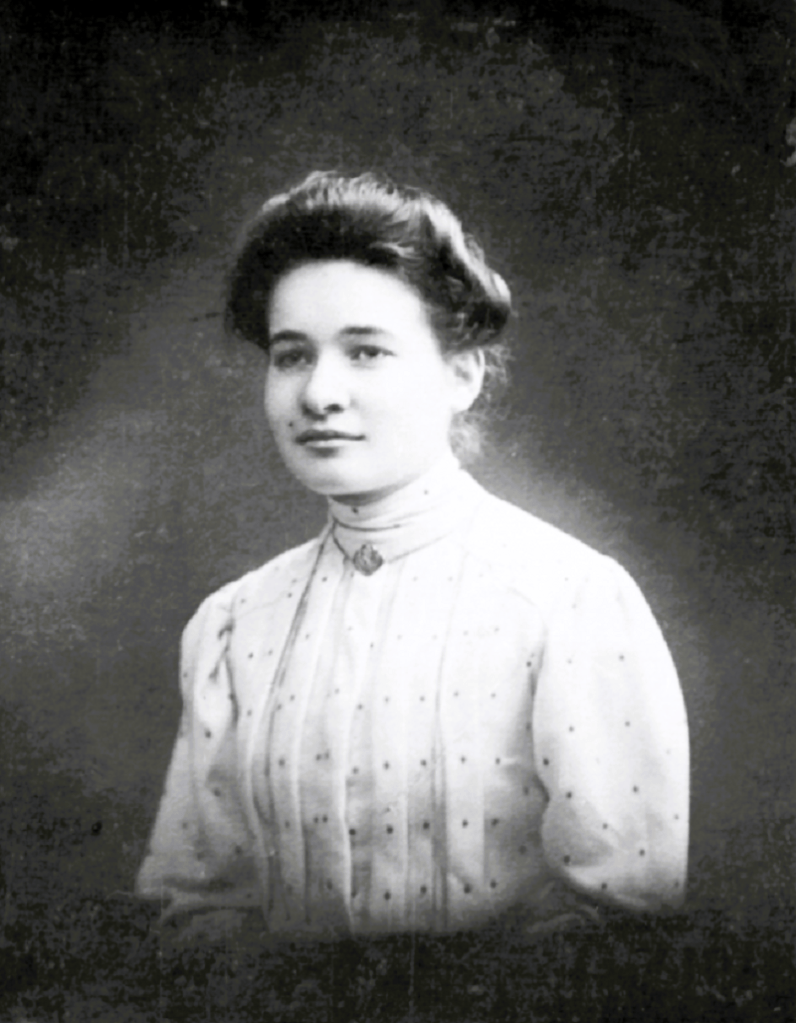
Zofia Zamenhof (1889–1942) was the eldest daughter of Ludwik Lejzer Zamenhof. Although less well-known than her younger sister, Lidia, Zofia played a significant role as a physician and humanitarian, particularly during the tumultuous period of World War II. Her life, like that of many members of the Zamenhof family, was marked by tragedy during the Holocaust.
While her siblings Lidia and Adam Zamenhof became well-known for their roles in promoting Esperanto and in the medical field, respectively, Zofia pursued a career in medicine, following the family’s tradition of service.
Career in Medicine
Zofia became a pediatrician, dedicating her professional life to caring for children. Her work as a physician was deeply intertwined with her humanitarian spirit, and she was known for her compassion toward her patients, many of whom came from underprivileged backgrounds. Zofia’s medical practice reflected the values of kindness and social responsibility that were instilled in her by her family.
Impact of World War II and the Holocaust
The outbreak of World War II and the Nazi occupation of Poland in 1939 brought devastating consequences for the Zamenhof family, who were of Jewish descent. As anti-Jewish laws and persecution intensified under Nazi rule, Zofia and her family were directly affected. Like many Jews in Warsaw, Zofia was forced into the Warsaw Ghetto, a confined area where thousands of Jews were subjected to starvation, disease, and eventual deportation to death camps.
Despite the horrendous conditions in the ghetto, Zofia continued to provide medical care to children and families, using her skills as a pediatrician to help those suffering from malnutrition, disease, and the general hardships of ghetto life. Her work was an act of resistance against the brutal conditions imposed by the Nazis, and it demonstrated her deep humanitarian commitment.
Death in the Holocaust
In 1942, the Nazis began the mass deportation of Jews from the Warsaw Ghetto to the Treblinka extermination camp. Zofia Zamenhof, along with many other Jews, was deported to Treblinka and murdered there. Her death marked the tragic end of a life dedicated to helping others, and she, like her siblings, became a victim of the Holocaust.
Legacy
Though Zofia Zamenhof’s life was cut short by the horrors of the Holocaust, her legacy as a compassionate physician and humanitarian lives on. She, along with other members of the Zamenhof family, is remembered for her contributions to the ideals of service, peace, and human dignity. While she may not have been as directly involved in the Esperanto movement as her sister Lidia or her father Ludwik, Zofia’s life embodied the Zamenhof family’s values of working for the betterment of humanity.
Her story is a reminder of the countless Jewish lives lost during the Holocaust and the resilience of individuals who, even in the face of tremendous adversity, continued to care for others and uphold their values.
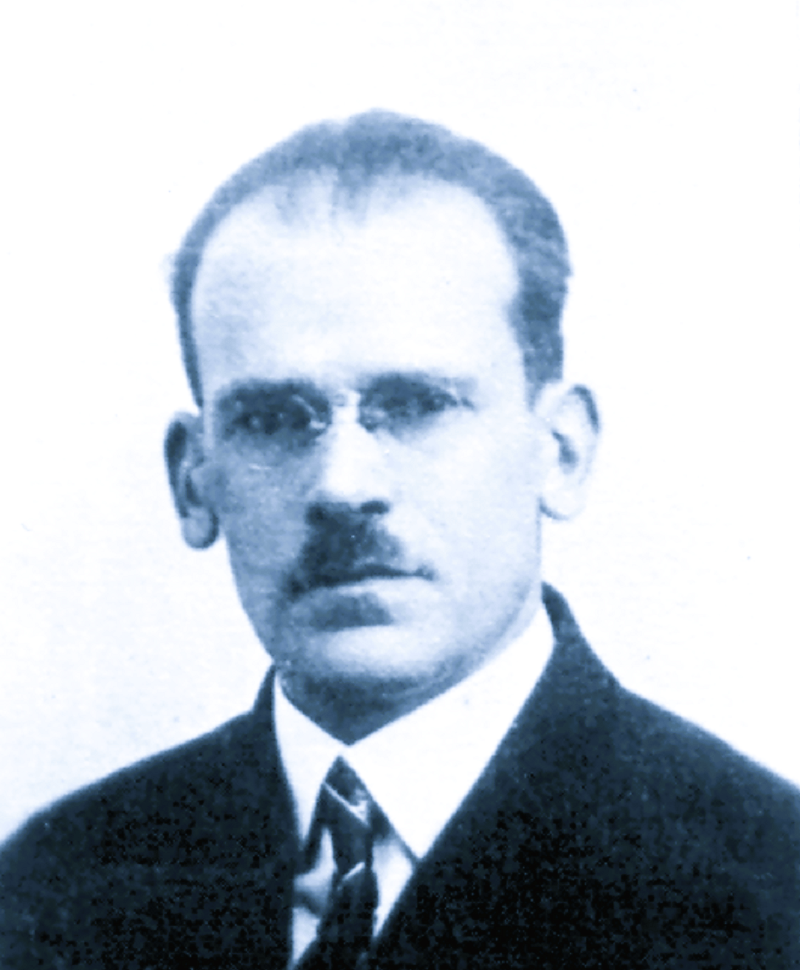
Adam Zamenhof (1888–1940) was a prominent Polish physician and the eldest son of Ludwik Lejzer Zamenhof. Adam contributed significantly to the field of medicine, particularly in the study and treatment of eye diseases. His life, however, was tragically cut short during the early days of World War II when he became one of the many victims of Nazi persecution during the Holocaust.
He studied medicine at the University of Warsaw, specializing in ophthalmology, the branch of medicine concerned with the eye and vision. Adam quickly established himself as a talented physician, gaining recognition for his expertise in diagnosing and treating eye disorders.
Career and Contributions to Ophthalmology
Adam Zamenhof built a successful medical career in Poland, working as a senior physician at several hospitals, including the Jewish Hospital in Warsaw, where he was the head of the ophthalmology department. He was known for his dedication to his patients and for advancing medical practices in his field.
Beyond his clinical work, Adam was involved in medical research and was highly regarded for his scholarly contributions to ophthalmology. His work focused on improving surgical techniques and treatments for eye diseases, and he earned a reputation as one of the leading ophthalmologists in Warsaw.
Impact of World War II
Adam Zamenhof, a prominent figure in the medical community, led the ophthalmology department at the Jewish Hospital in Warsaw. His leadership and dedication to his patients were evident in his role as a senior physician at several hospitals in Poland, where he advanced medical practices in his field.
In 1939, Adam was arrested by the Nazis during the early stages of their occupation of Warsaw. His arrest was part of a broader campaign against the Jewish intelligentsia and leadership, as the Nazis sought to eliminate any potential sources of resistance or influence within the Jewish community.
Execution and Legacy
On January 29, 1940, Adam Zamenhof was executed by Nazi forces in Palmiry, a forest near Warsaw where thousands of Polish intellectuals, politicians, and civilians were massacred during the war. His death was part of a calculated effort by the Nazis to decimate Poland’s Jewish elite, leaving a profound loss for both the medical community and the Zamenhof family.
Adam’s murder was a tragic chapter in the Holocaust, which claimed the lives of millions of Jews, including many members of the Zamenhof family. While Adam’s medical career was cut short, his contributions to ophthalmology are remembered as part of his legacy. His life also stands as a testament to the vulnerability of Jewish professionals during the Holocaust and the widespread destruction of Jewish intellectual and cultural life during the Nazi occupation.
Adam Zamenhof’s life was characterized by his dedication to the medical profession and his commitment to helping others through his expertise in ophthalmology. Though he was not directly involved in the Esperanto movement like his father and sister, he embodied the Zamenhof family’s values of service and humanity. His tragic death during the Holocaust underscores the immense loss of Jewish talent and potential during that dark period in history, and he is remembered as a skilled physician and a victim of Nazi brutality.
Sources
https://www.yiddishbookcenter.org/language-literature-culture/pakn-treger/esperanto-jewish-story
https://libcom.org/article/esperanto-banned-70-years-ago
Donation
Your readership is what makes my site a success, and I am truly passionate about providing you with valuable content. I have been doing this at no cost and will continue to do so. Your voluntary donation of $2 or more, if you are able, would be a significant contribution to the continuation of my work. However, I fully understand if you’re not in a position to do so. Your support, in any form, is greatly appreciated. Thank you. To donate, click on the credit/debit card icon of the card you will use. If you want to donate more than $2, just add a higher number in the box left from the PayPal link. Your generosity is greatly appreciated. Many thanks.
$2.00
 History of Sorts
Leave a comment