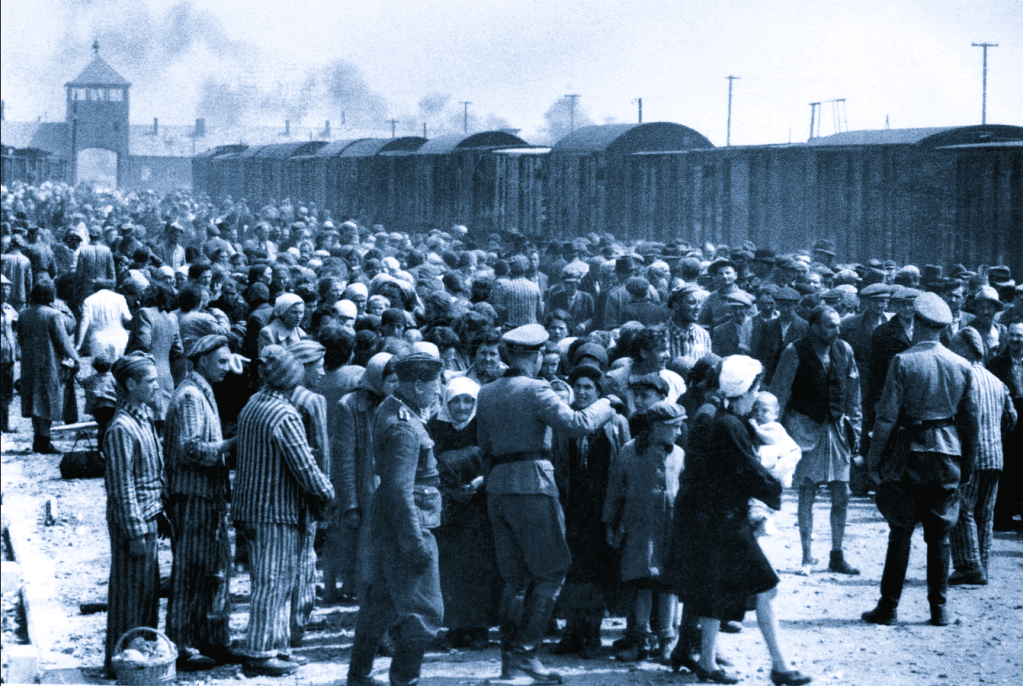
A vital element of the Holocaust’s industrial-scale genocide was the efficient logistics system that transported millions of people to their deaths in concentration and extermination camps. The Deutsche Reichsbahn, the German national railway company, played a central role in this process. By providing the means of transportation for the deportation of Jews and other victims, the Deutsche Reichsbahn became an essential component of the Holocaust’s machinery of death.
The Deutsche Reichsbahn: An Overview
The Deutsche Reichsbahn was the state-owned railway company of Germany, founded in 1920 during the Weimar Republic as a nationalization effort to consolidate regional railway companies. It quickly became one of the largest railway networks in Europe. By the time the Nazis came to power in 1933, the Reichsbahn was an essential institution in German society, both economically and strategically.
As the Nazi regime pursued its goals of territorial expansion and racial purity, the Reichsbahn was transformed from a civil transportation network into a vital logistical arm of the state. During World War II, it played an essential role in the transportation of troops, equipment, and supplies to the front lines. Still, it is its role in the Holocaust that casts the longest shadow over its legacy.
The Role of the Deutsche Reichsbahn in the Holocaust
The systematic deportation of millions of Jews and other victims to concentration and extermination camps was only possible due to the cooperation of the Deutsche Reichsbahn. The railways were used to transport people from cities, ghettos, and temporary camps across Nazi-occupied Europe to places like Auschwitz, Treblinka, and Sobibor, where they were murdered en masse. The efficiency, speed, and scale of the Reichsbahn’s operations were instrumental in enabling the Nazis to carry out the “Final Solution.”
Logistics of Deportation
The deportations to the camps followed a cold, bureaucratic process. Jews were typically rounded up from their homes, ghettos, or temporary detention centers and then crammed into cattle cars or freight trains, which were the standard vehicles used for deportation. The conditions inside these trains were appalling. Victims were packed tightly with little to no food, water, or sanitation facilities. Many died during these journeys due to suffocation, dehydration, or exposure, especially during the long trips to camps located in occupied Poland.
The trains would often travel for days before reaching their destinations, and the victims—many of whom were elderly, women, and children—suffered immensely during these transports. The use of freight trains, normally designed for livestock or cargo, dehumanized the deportees, making their suffering even more acute.
Financing the Deportations
One of the most chilling aspects of the Reichsbahn’s role in the Holocaust is that the victims were forced to pay for their own deportation. The Nazi regime, in coordination with the Reichsbahn, charged Jewish communities for the costs of the trains used in their deportations, often charging a standard “third-class” fare for each person. This systematic extortion added a cruel economic dimension to the Reichsbahn’s participation in the genocide. It profited directly from the transportation of people who were being sent to their deaths, collecting revenue for every person it transported to the concentration and extermination camps.
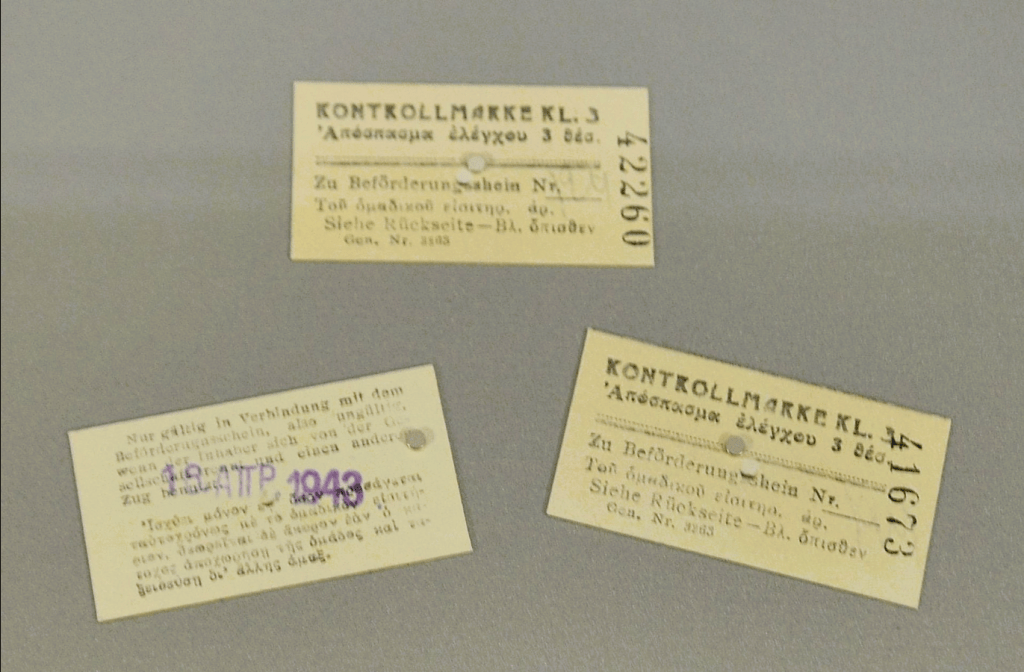
The Reichsbahn also charged the Nazi regime by the kilometer, meaning the further the victims were transported, the higher the fees. This added a stark, bureaucratic coldness to the process, as human lives were reduced to numbers and distances in a transportation ledger.
Collaborators in Murder
While many employees of the Deutsche Reichsbahn may not have been directly involved in the killings, their complicity in the deportations is undeniable. The company employed thousands of railway workers, engineers, and administrators who were aware, at least to some extent, of the human cargo they were transporting. The deportations were often public, with trains passing through towns and cities, and the grim reality of what was happening became difficult to ignore. In some cases, station workers were fully aware of the fate awaiting those on the trains, especially as news of the extermination camps spread across Europe.
Despite this knowledge, there was little resistance or refusal to cooperate. The bureaucratic nature of the Reichsbahn, combined with the authoritarian control of the Nazi regime, created an environment in which railway employees followed orders without question. Whether out of fear, indifference, or ideological support for the regime, many Reichsbahn employees contributed to the functioning of this genocidal system.
Impact on the Holocaust
The Deutsche Reichsbahn’s logistical efficiency significantly contributed to the scale and speed at which the Holocaust was carried out. The deportation of Jews and other victims to extermination camps would have been logistically impossible without the infrastructure of the Reichsbahn. The Nazis relied on a reliable and extensive railway system to transport victims from every corner of Europe, and the Reichsbahn met that need. Between 1941 and 1945, the Reichsbahn deported millions of people to camps, contributing to the mass murders carried out in the gas chambers.
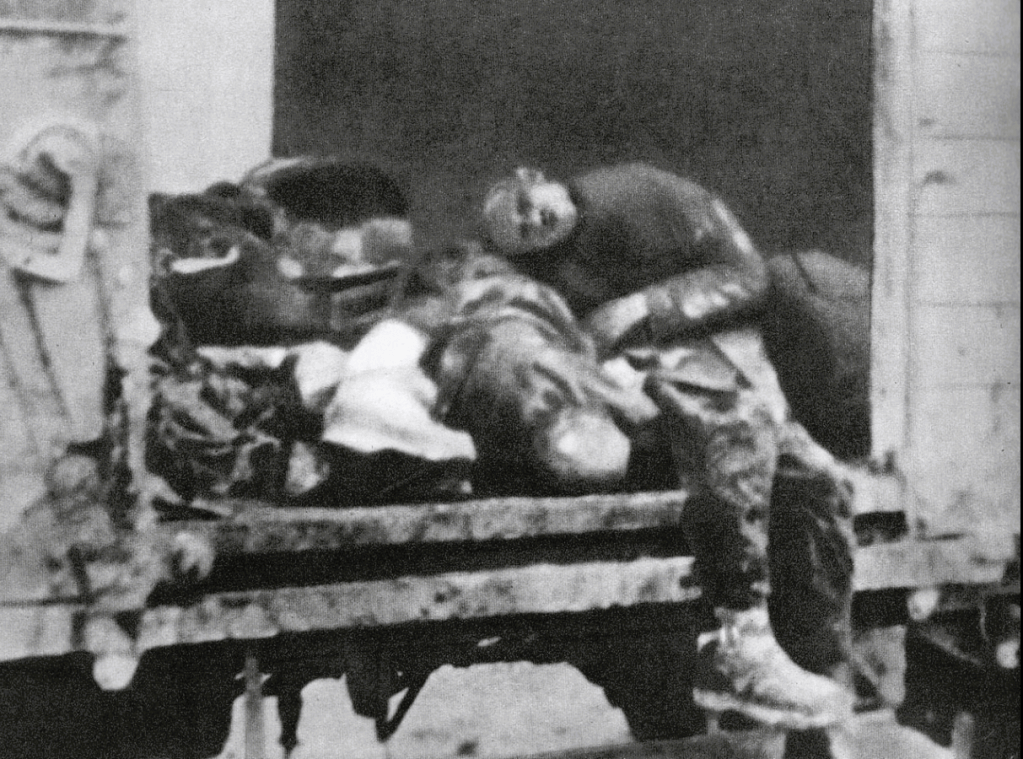
Without the trains, the mass movement of people to isolated extermination centers would have required far more complex and inefficient methods. The transportation by train allowed the Nazis to implement the Final Solution quickly and with minimal disruption to their military efforts.
Post-War Accountability and Legacy
In the immediate aftermath of World War II, the role of the Deutsche Reichsbahn in the Holocaust was not thoroughly addressed. While many high-ranking Nazi officials were prosecuted during the Nuremberg Trials, the Reichsbahn’s complicity was not given as much focus. Some of the senior officials within the Reichsbahn faced trials, but many of the lower-level employees and administrators who helped facilitate the deportations were able to return to their roles in post-war German society.
In 1949, the Reichsbahn was split into two entities, reflecting Germany’s division during the Cold War: the Deutsche Bundesbahn in West Germany and the Deutsche Reichsbahn in East Germany. This division further complicated any efforts to address the Reichsbahn’s wartime activities. It wasn’t until decades later that serious efforts were made to recognize and memorialize the railway’s role in the Holocaust.
In the 1990s and 2000s, more attention was paid to the involvement of the Deutsche Reichsbahn in the Holocaust as part of broader efforts in Germany to confront its Nazi past. In 2008, the Deutsche Bahn, the successor company to the Deutsche Bundesbahn and the Deutsche Reichsbahn, launched a traveling exhibition called “Train of Commemoration,” which focused on the deportation of Jewish children and other victims of the Holocaust via the railway system. The company also contributed to Holocaust memorials and paid reparations to some survivors of the forced deportations.
The role of the Deutsche Reichsbahn in the Holocaust was central to the logistical operation of the Nazi genocide. By providing the transportation infrastructure needed for the mass deportation of millions of Jews and other victims to concentration and extermination camps, the Reichsbahn became a crucial cog in the machinery of death. The railway’s ability to transport vast numbers of people quickly and efficiently made it possible for the Nazis to carry out the Holocaust on such a large scale.
Though the Reichsbahn’s employees may not have actively participated in the killings, their complicity in transporting victims, profiting from deportations, and facilitating the Nazi genocide cannot be ignored. Today, efforts to memorialize the victims transported on the Reichsbahn and to acknowledge the company’s role in the Holocaust reflect Germany’s ongoing confrontation with its past. The legacy of the Deutsche Reichsbahn during World War II remains a grim reminder of the ways in which ordinary infrastructure and bureaucratic systems can be used in the service of extraordinary evil.
Sources
http://www.zug-der-erinnerung.eu/presse/pr1.html
https://study.com/learn/lesson/holocaust-death-trains-use-conditions.html
https://encyclopedia.ushmm.org/content/en/article/german-railways-and-the-holocaust
https://dbmuseum.de/en/nuremberg/exhibitions/the-history-of-the-railway-in-germany
https://www.gaugemasterretail.com/rightlines-article/history-of-german-railways-1920.html
Donation
Your readership is what makes my site a success, and I am truly passionate about providing you with valuable content. I have been doing this at no cost and will continue to do so. Your voluntary donation of $2 or more, if you are able, would be a significant contribution to the continuation of my work. However, I fully understand if you’re not in a position to do so. Your support, in any form, is greatly appreciated. Thank you. To donate, click on the credit/debit card icon of the card you will use. If you want to donate more than $2, just add a higher number in the box left from the PayPal link. Your generosity is greatly appreciated. Many thanks.
$2.00

 History of Sorts
Leave a reply to tzipporah batami Cancel reply