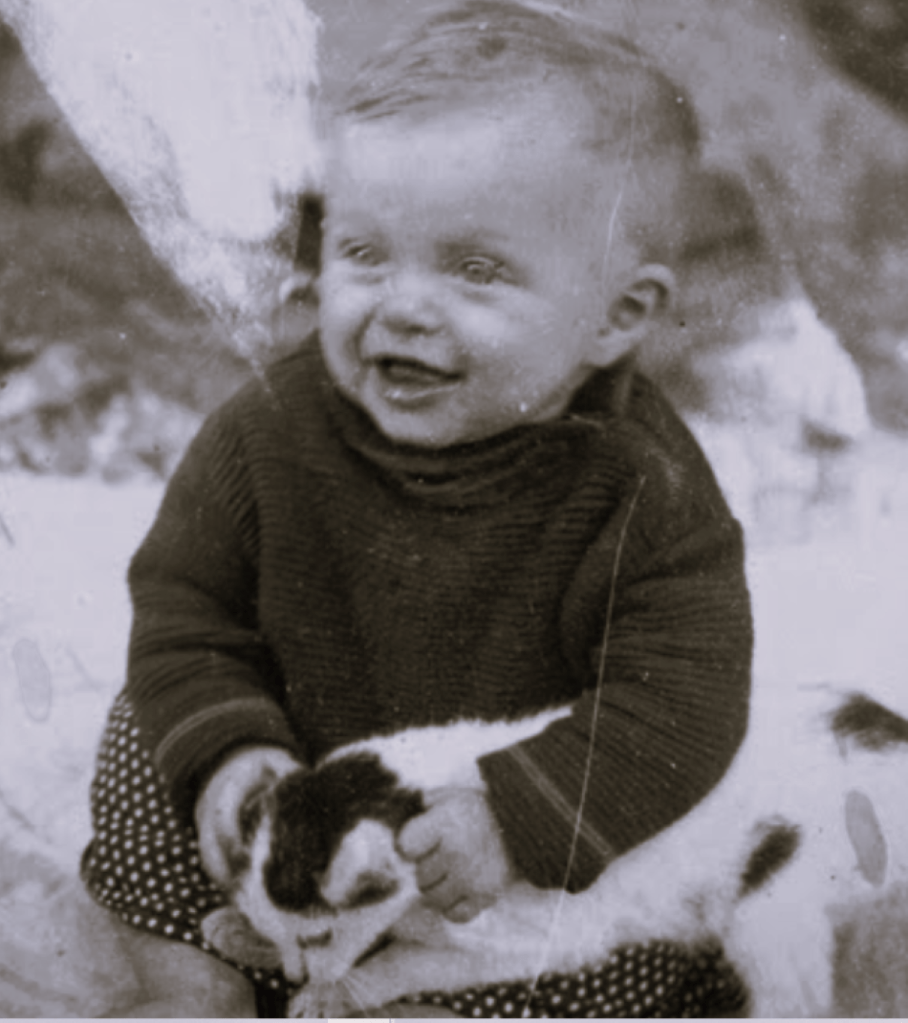
The Nazis implemented a series of discriminatory laws and regulations aimed at isolating and persecuting Jews. In many cases, Jews were forced to relinquish their pets as part of broader property confiscation. Pets were considered part of personal property, and when Jewish people were displaced, arrested, or deported, they were often forced to leave their pets behind.
For many Jewish people, losing their pets added to the emotional suffering they endured. Pets had provided comfort and a sense of normalcy in increasingly dire times. Being forced to abandon or see their pets killed deepened the trauma for many individuals. The Nazis viewed Jewish property, including pets, as disposable. In some cases, pets left behind by deported Jewish families were seized by Germans or euthanized. There are also accounts of pets being used as a cruel form of psychological torment. For example, Nazi officers would sometimes harm or kill pets in front of their Jewish owners to humiliate and inflict further emotional pain.
In testimonies from Holocaust survivors, some mention the heartbreaking loss of their pets as part of their larger narrative of loss. This aspect of life under Nazi rule is not as commonly discussed as other forms of persecution. Still, it is a painful reminder of how the Holocaust disrupted even the smallest and most personal aspects of life.
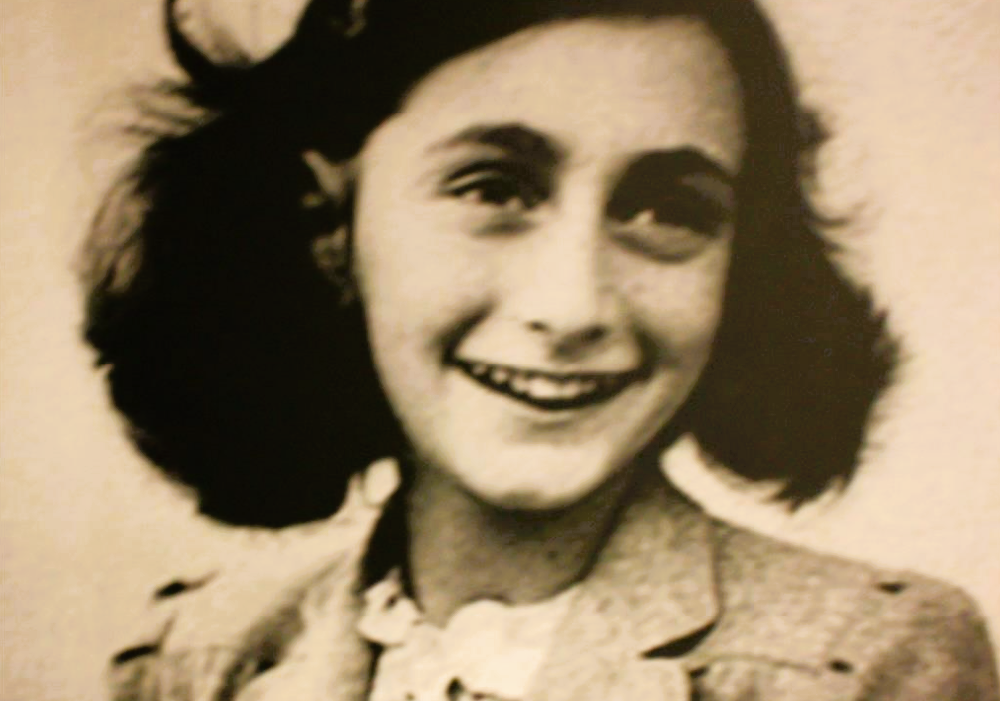
Anne Frank
Moortje was Anne Frank’s beloved pet cat before the Frank family went into hiding in the secret annex. When Anne and her family were forced to leave their home in July 1942 to escape Nazi persecution, they sadly had to leave Moortje behind. Moortje was likely cared for by neighbors or other people in the area. However, Anne’s diary does not detail what happened to the cat after the family went into hiding.
“There’s always a tiny black cat roaming around the yard and it reminds me of my dear sweet Moortje.”
A week after the Frank family went into hiding, the Van Pels family joined them. Anne knew by then—perhaps somewhat indignantl— that Peter would be bringing his cat Mouschi with him to the hiding place. According to helper Miep Gies, ‘a skinny black tomcat’.
‘Mouschi, the cat, is becoming nicer to me as time goes by, but I’m still somewhat afraid of her.’
A few weeks later, she wasn’t scared anymore. ‘Musschi [sic] is back with mother now, just like a baby kitten, I have her all covered up and she looks cute.’ Apart from being a companion, Mouschi also kept the rats and mice at bay. When rats were seen in the attic of the Secret Annex, Mouschi had to sleep there. The rats stayed away temporarily, but it was not an overwhelming success. Peter was severely bitten in the arm by a rat when he went to the attic to get old newspapers.
Anna’s Story (Poland):
Anna (whose last name is unknown), a Holocaust survivor from Poland, shared a heart-wrenching memory of her dog when she and her family were forced to move into the Warsaw Ghetto. Her dog had been her loyal companion for years, and as they were ordered to leave their home, Anna remembered trying to take her dog with her…In her testimony, Anna recalled:
“I had a small dog, a little terrier. He followed me everywhere, like a shadow. When we were forced to leave for the ghetto, I tried to take him with us, but they wouldn’t let me. I cried and pleaded, but the soldier kicked him away. He ran after us as long as he could, but eventually, he was gone. I think about him often, how scared and alone he must have been, and it breaks my heart.”
This example shows how the loss of her pet was another layer of trauma on top of the immense suffering she and her family endured. For Anna, her dog represented a piece of the life she once had, and losing him added to the overwhelming sense of isolation and grief.
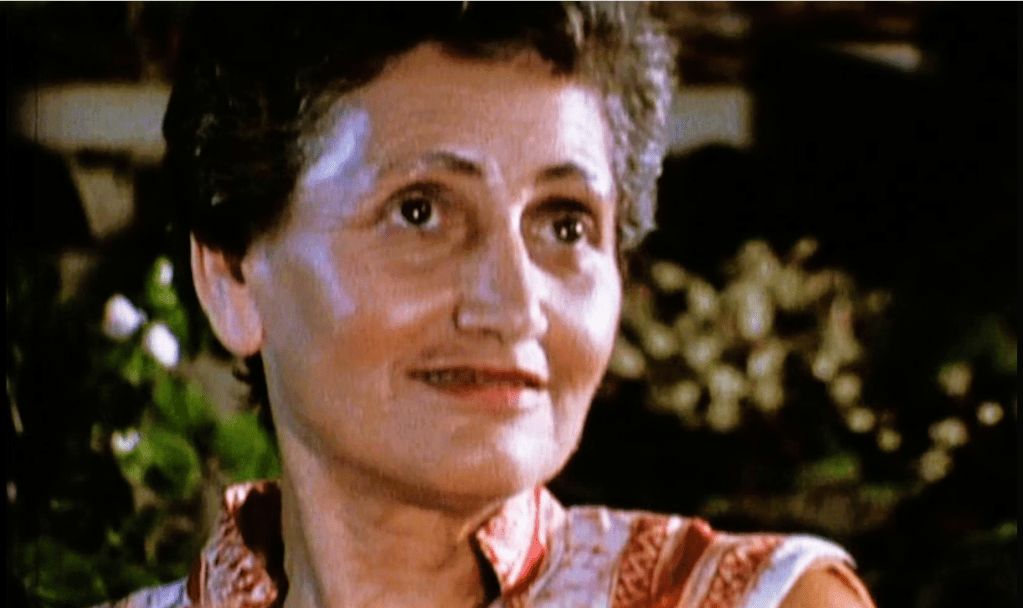
Ruth Elias
Ruth Elias, a Holocaust survivor from Czechoslovakia, described a similar story in her memoir “Triumph of Hope: From Theresienstadt and Auschwitz to Israel.”. Before being deported to the Theresienstadt Ghetto, she remembered the sorrow of being separated from her dog. In her account, Elias said:
“My dog, Liska, was more than just a pet—she was my friend. When the Nazis came to take us away, we were not allowed to bring anything, let alone a dog. I had to leave her behind, and that was one of the hardest things for me. I never found out what happened to her, but I imagine she didn’t survive long without us.”
These personal recollections underscore the broader theme of loss that defined the Holocaust experience. Pets, while not central to survival, offered emotional support, and their loss became a poignant reminder of the complete destruction of life as it once was.

Renia Spiegel
In another example, Renia Spiegel, a Jewish teenager who kept a diary during the early years of the war, mentions her pet dog. Spiegel, who was ultimately murdered during the Holocaust, wrote about her dog as a symbol of the everyday life she once had. Her diary includes the following passage:
“Today they took Father. I am scared, and I don’t know what will happen next. Our dog, Benek, sits by the door, waiting for him to return. I wish I could take him with me wherever we go, but I know that won’t be allowed. I fear for all of us, and I wonder what will happen to Benek when we are no longer here.”
In her words, Renia poignantly expresses the emotional attachment to her pet and the foreboding sense that they might never see each other again.
Sources
https://encyclopedia.ushmm.org/content/en/id-card/ruth-huppert-elias
https://research.annefrank.org/en/onderwerpen/facb8e53-713e-4ac3-bc29-12e1e3fcebe6/
Donation
Your readership is what makes my site a success, and I am truly passionate about providing you with valuable content. I have been doing this at no cost and will continue to do so. Your voluntary donation of $2 or more, if you are able, would be a significant contribution to the continuation of my work. However, I fully understand if you’re not in a position to do so. Your support, in any form, is greatly appreciated. Thank you. To donate, click on the credit/debit card icon of the card you will use. If you want to donate more than $2, just add a higher number in the box left from the PayPal link. Your generosity is greatly appreciated. Many thanks.
$2.00
 History of Sorts
Leave a comment