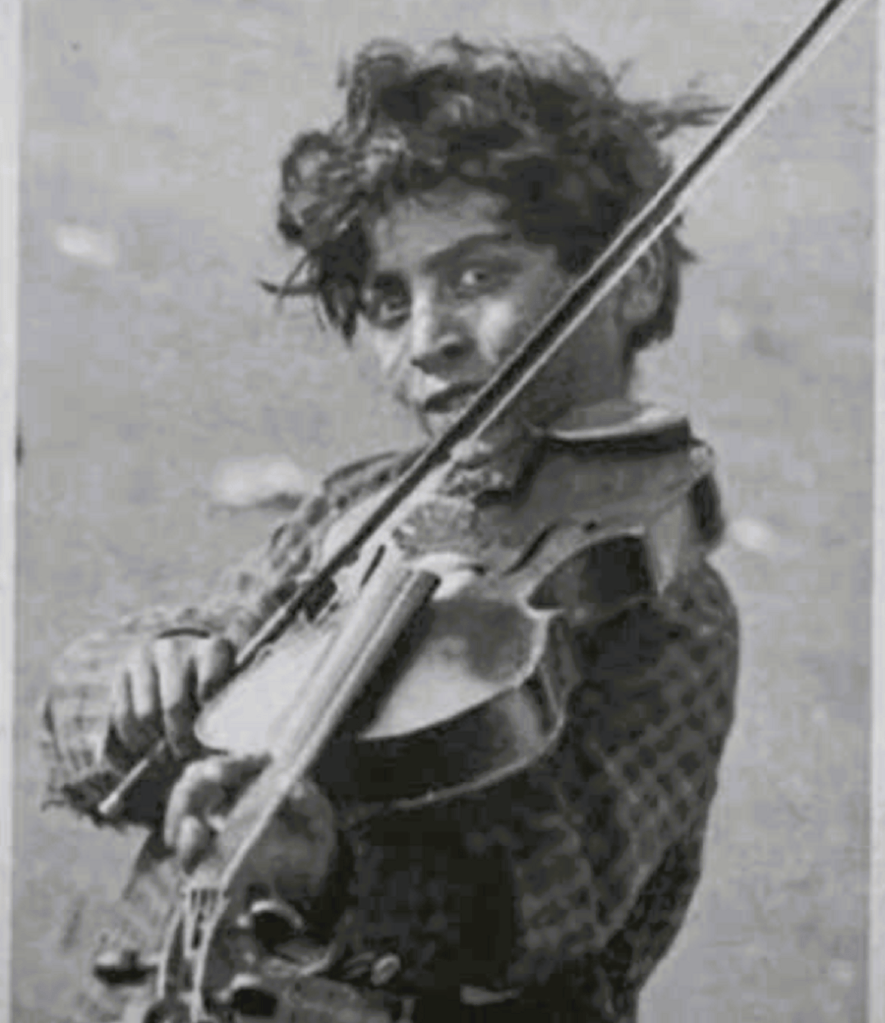
The photograph above is of Celestinus Steinbach. He was born in Heerlen, the Netherlands, on February 13, 1929. The SS murdered him at Auschwitz-Birkenau on September 27, 1944. He was 15 years old. He posed for the photo when he was seven years old.
Celestinus, aka Willy, was a member of the Steinbach family, a Roma Sinti family. A few of them were born in Geleen, and others were born in other places in Limburg in the southeast Netherlands.
In 1943, the Steinbach family moved to the well-known caravan camp “De Zwaaikom” in Eindhoven. The camp, built in 1929, was designated by the government after the travel ban in the summer of 1943 as one of the central camps for gypsies.
Gypsy Raid Eindhoven May 16 1944, Eindhoven
One of the most famous images from World War II shows Jews, Sinti, and Roma being transported to the Auschwitz extermination camp. Among them is the nine-year-old Sinti girl, Settela Steinbach, who was arrested in Eindhoven.
The photo comes from the short film “Gemmeker.” Director Robert Schinkel had the two minutes of the film colorized.
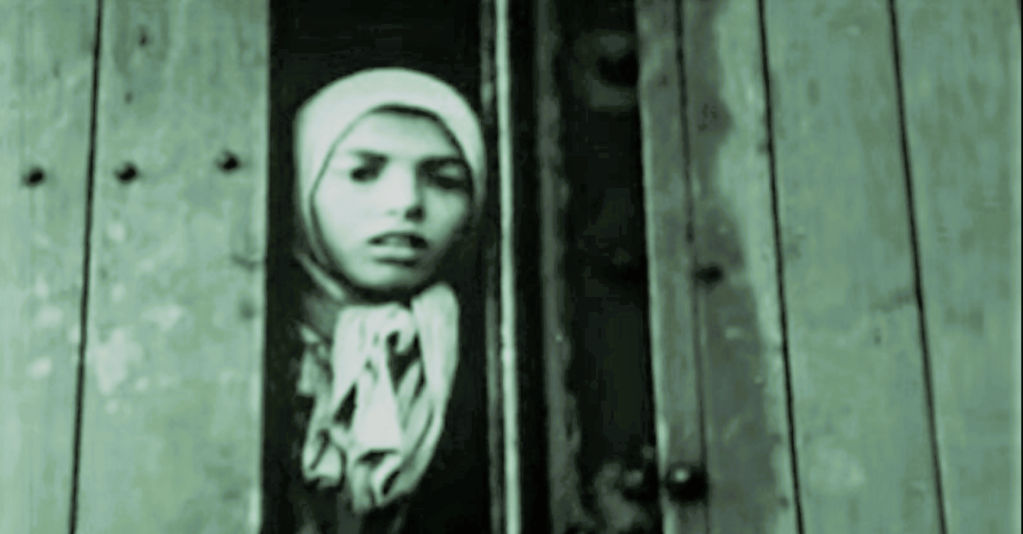
Of the 42 Sinti from Eindhoven, 24 were younger than 16, the oldest was 68 years old, and the youngest was just 1 year old. Of the 245 people who were deported to Auschwitz from Westerbork on May 19, only 32 survived. Among them, three survivors from Eindhoven were liberated in 1945: Elisabeth Reinhardt (1930), Maria Meinhardt-Steinbach (1920), and Karl Steinbach (1929). Additionally, three more Sinti from Eindhoven were arrested in Belgium and deported to Auschwitz via Kazerne Dossin, where they were murdered.
Peter Jorna carefully compiled this report. The list of war victims in Eindhoven as of October 26, 2021, with the last update on August 23, 2022.
The Zwaaikom
Like all trailer camps in the Netherlands, the Zwaaikom was an ‘open camp’ until July 1943, though under the supervision of camp managers and the police. The travel ban brought an end to the settlement patterns of the Sinti, Roma, and other traveling communities. The large camp served as a winter residence located near the city, with basic facilities like sanitation, electricity, and water. In spring, the camp would break up as the travel season began. Many had permanent addresses in other cities like The Hague and Amsterdam, where family members lived. The Gypsy Raid of May 1944 took most by surprise during the transition from the winter to the travel season.

The Residents
Over the years, various family names became associated with the Zwaaikom residents. For example, the Italian Basili family was mentioned in a letter from the mayor of Eindhoven (April 4, 1929) asking if they could receive a domestic passport. This was only granted if the family were “not gypsies” and if the mayor “appreciated their presence.” Two weeks later, the passport was issued to this family, which operated a traveling cinema. They had been registered in Eindhoven since 1925 and had a good source of income. Related families like Winterstein (musicians), Freiwalt (circus performers), and Halberstadt (traders) also lived there. The Steinbach family, musicians, moved to the camp from Limburg in the 1930s.
Many Steinbach family members were arrested at the Zwaaikom along with the Reinhardt, Meinhardt, Halberstadt, and Rose families. Other families like Winterstein, Freiwalt, and Basili had already relocated to a trailer camp near Den Bosch (the Siep), where they were arrested on May 16, 1944.
Family History
Two of the oldest Steinbach brothers, Ludwig and Friedrich, had lived in Eindhoven since the 1930s. Their ancestors had held Dutch papers since the early 19th century. Both married sisters Apollonia and Rosa Böhmer from Silesia. Ludwig had two sons, each with families of their own, while Friedrich Steinbach (1883, Amsterdam) and Rosa (1887) had four sons and two daughters.
The earliest record of a Steinbach at the Zwaaikom dates back to 1923 when Friedrich’s brother Lodewijk Antonius Kalo Steinbach (1886, Dinxperlo) and his wife Rosina Muma Weiss, registered the birth of their tenth child, Jozefina Sophie (1923, Eindhoven). She was arrested on May 16 and did not survive the camps, along with her husband Erdman Rose and their two children.
In 1927, Friedrich and Rosa Steinbach lived in Kerkrade before moving to Venlo under police escort. After the travel ban of 1943, the family was confined to Eindhoven’s Zwaaikom camp. Friedrich and Rosa, along with many of their children and grandchildren, did not survive the war. However, three of their sons, who had been arrested a week earlier for forced labor, survived.
On the early morning of May 16, 1944, 42 Sinti residents of the Zwaaikom were arrested, transported by truck to the police station, and then to the train station. Some managed to avoid arrest by hiding, often with the help of police officers or camp managers. Trailer residents who were not considered ‘gypsies’ were not arrested. Two people were later released from Westerbork because they had Italian travel papers.
Of the 42 Sinti from Eindhoven, 24 were younger than 16, and the oldest was 68 years old. Forty Sinti from Eindhoven were deported to Auschwitz on May 19, and only three returned: Elisabeth Reinhardt, Karl Steinbach, and Maria Meinhardt-Steinbach.
Previous Arrests
In the lead-up to the nationwide Gypsy Raid, several individuals were already arrested. Johan Lollo Grünholz was detained on March 7, 1944, while visiting family. He survived the war after being sent to Buchenwald.
On May 9, 1944, seven adult Sinti men were arrested for forced labor. They were eventually sent to Herzogenbusch (Vught) and later to other concentration camps.
One of them, Johan Meinhardt, was reunited with his wife, Maria Meinhardt-Steinbach, in 1945. Their daughter Helène and their newborn son, Josef, born in Birkenau, did not survive.
Statistics
On May 16, 1944, 578 people were arrested from 19 municipalities and sent to Westerbork. Of these, 245 were selected for deportation to Auschwitz. Only 32 Sinti survived and were repatriated after the war.
Sources
https://www.joodsmonument.nl/en/page/658364/celestinus-steinbach
https://www.joodsmonument.nl/nl/page/344139/sinti-en-roma-namenlijst
https://westerborkportretten.nl/sinti-en-romaportretten/settela-steinbach
https://encyclopedia.ushmm.org/content/en/article/genocide-of-european-roma-gypsies-1939-1945
Donation
Your readership is what makes my site a success, and I am truly passionate about providing you with valuable content. I have been doing this at no cost and will continue to do so. Your voluntary donation of $2 or more, if you are able, would be a significant contribution to the continuation of my work. However, I fully understand if you’re not in a position to do so. Your support, in any form, is greatly appreciated. Thank you. To donate, click on the credit/debit card icon of the card you will use. If you want to donate more than $2, just add a higher number in the box left from the PayPal link. Your generosity is greatly appreciated. Many thanks.
$2.00


 History of Sorts
Leave a comment