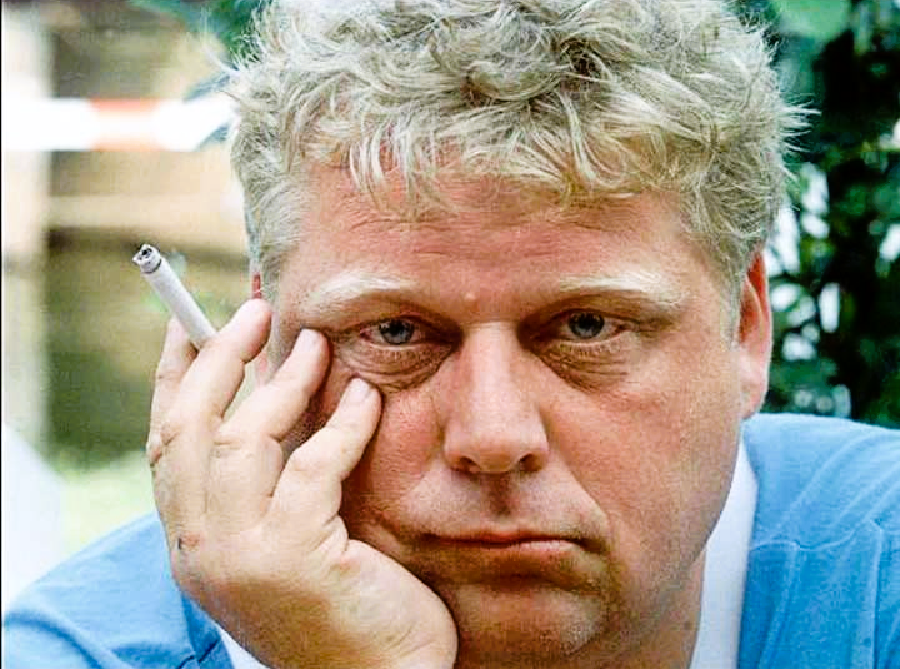
Theo van Gogh, a Dutch filmmaker, author, and outspoken critic of Islamic extremism, was brutally murdered on November 2, 2004, in Amsterdam. His death shocked the Netherlands and sent ripples through Europe, igniting intense debates around free speech, religious tolerance, and the place of Islam in Western society. To understand the complex layers of this tragic event—it is essential to consider not only van Gogh’s work and public persona but also the social and political climate of the Netherlands at the time.
Who Was Theo van Gogh?
Theo van Gogh, the great-grandnephew of the renowned painter Vincent van Gogh, was known for his provocative style and outspoken personality. Unlike his ancestor, Theo wasn’t an artist of canvases but of film and words. As a filmmaker, he was unafraid to touch on controversial subjects, often in ways that one could see as abrasive or even inflammatory. A satirical edge marked his style, and he openly criticized not just religious extremism but also what he perceived as societal hypocrisy and political correctness.
Van Gogh’s work often went beyond mere critique, venturing into the realms of insult and provocation. He had a reputation for using harsh language and scathing critiques, sometimes describing his targets in crude terms. While this approach garnered a loyal following, it also alienated many and earned him powerful enemies, particularly among certain conservative Muslim groups who felt personally attacked by his rhetoric.
The Film That Sparked Controversy
In August 2004, just a few months before his death, Theo van Gogh released a short film titled Submission, made in collaboration with Ayaan Hirsi Ali, a Somali-born Dutch politician and activist who had renounced Islam. The film was a stark and symbolic critique of the treatment of women under certain interpretations of Islamic law. It depicted scenes of women wearing see-through garments, with passages from the Quran painted on their bodies. These images and narratives highlighted the suffering and oppression that some women face due to religiously sanctioned violence, focusing on themes of abuse, forced marriage, and other forms of oppression.
Submission was highly controversial. Many Muslim viewers found it deeply offensive, seeing it as a direct attack not just on extremist practices but on Islam itself. The film and van Gogh’s subsequent public remarks criticizing Islamic culture brought him numerous death threats. Despite these threats, van Gogh refused to be silenced or change his outspoken style, maintaining that freedom of speech was paramount.
The Murder of Theo van Gogh
On the morning of November 2, 2004, as Theo van Gogh was cycling to work, he was ambushed by a man named Mohammed Bouyeri, a 26-year-old Dutch-Moroccan with connections to an Islamic extremist network. Bouyeri shot van Gogh multiple times and then attempted to decapitate him, ultimately stabbing a note into his chest with a knife. The note contained a threat aimed at Ayaan Hirsi Ali and an indictment of Western countries’ perceived moral corruption. The murder was brutal, calculated, and symbolic, intending to make a statement.
Bouyeri later stated that he believed his actions were justified by his religious beliefs, viewing van Gogh’s work as an affront to Islam. He showed no remorse and justified his actions as retribution against an individual he believed had defamed his faith. This cold-blooded murder was seen as a direct assault on free speech in the Netherlands and across Europe, where similar tensions were brewing.
Aftermath and Reaction
Theo van Gogh’s murder sent shockwaves through the Netherlands, a country known for its tolerance and liberal policies. The Dutch public was horrified by the violence and the ideological motivation behind the murder, leading to a series of debates and reforms regarding freedom of speech, multiculturalism, and religious tolerance. His death triggered a sense of crisis in the Dutch multicultural model, which had long encouraged immigrants to maintain their cultural identities within Dutch society. Van Gogh’s murder raised questions about whether this approach had failed to prevent the rise of extremist ideologies and foster genuine integration.
The Dutch government responded by tightening security and surveillance measures on extremist groups and by taking a tougher stance on immigration policies. Some critics argued that these steps encroached on civil liberties and the rights of immigrants, while others believed they were necessary for protecting Dutch values and citizens’ safety.
A Complex Legacy: Freedom of Speech vs. Respect for Religion
Theo van Gogh’s murder remains one of the most prominent cases in the modern struggle between freedom of expression and religious sensitivity. His life and death reflect the challenges facing societies that value both freedom of speech and multiculturalism. In a way, van Gogh became a symbol of the dangers that can arise when the right to criticize religions meets the unwillingness of some to tolerate such criticism. The fact that van Gogh’s killer saw violence as an acceptable response to perceived blasphemy underscored the difficulty of balancing free speech with respect for religious beliefs.
This murder has left an enduring mark on the Netherlands and other European nations, which continue to grapple with the issues it raised. While some argue that society must uphold free speech at all costs, others warn against the dangers of offending deeply held beliefs in an increasingly diverse and interconnected world. The debate remains unresolved, with Theo van Gogh’s tragic death serving as a reminder of both the value and the risks associated with speaking out boldly in the face of potential hostility.
Theo van Gogh’s Enduring Influence
In the years following his murder, Theo van Gogh’s work and life have taken on a kind of symbolic power. His commitment to freedom of speech, despite the risks, is admired by many. Ayaan Hirsi Ali, who was also threatened in the note left by his killer, became an even more vocal critic of religious extremism and a prominent advocate for free speech, continuing to speak out despite threats to her life.
Theo van Gogh’s murder was not just the tragic death of an artist but a wake-up call for Europe regarding the challenges of upholding democratic values in multicultural societies. His life and death underscore the importance of protecting the right to free speech while navigating the delicate line between freedom of expression and respect for religious beliefs. His legacy, while controversial, has highlighted the ongoing struggle to create societies where diverse beliefs coexist without resorting to violence or censorship.
Sources
https://www.theguardian.com/world/2004/nov/03/film.filmnews
https://www.nbcnews.com/id/wbna8551653
Donation
Your readership is what makes my site a success, and I am truly passionate about providing you with valuable content. I have been doing this at no cost and will continue to do so. Your voluntary donation of $2 or more, if you are able, would be a significant contribution to the continuation of my work. However, I fully understand if you’re not in a position to do so. Your support, in any form, is greatly appreciated. Thank you. To donate, click on the credit/debit card icon of the card you will use. If you want to donate more than $2, just add a higher number in the box left from the PayPal link. Your generosity is greatly appreciated. Many thanks.
$2.00

 History of Sorts
Leave a comment