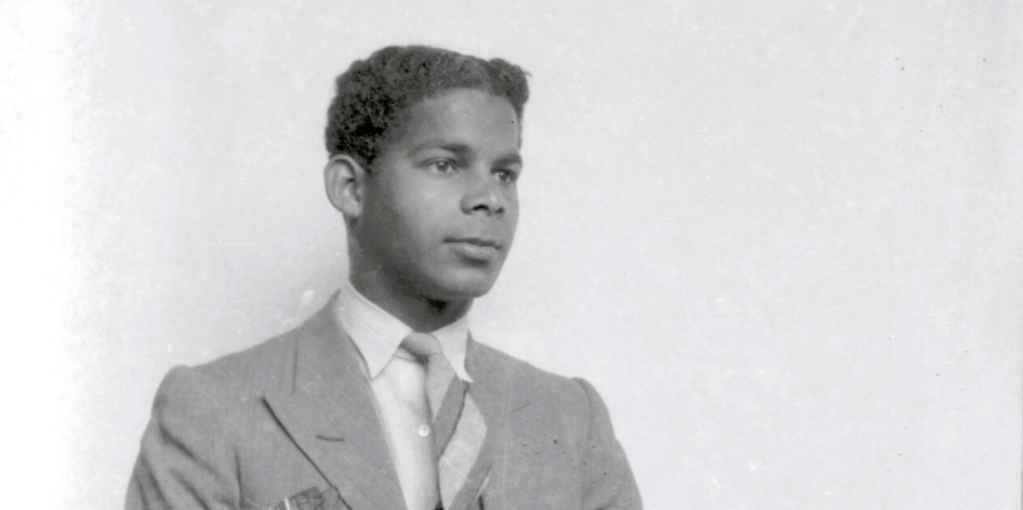
In the face of Nazi occupation and oppression, heroes often come from unexpected places. One such hero was Segundo Jorge Adelberto “Boy” Ecury, a young man from Aruba who would become a key figure in the Dutch resistance. From a privileged upbringing on a Caribbean island to fighting for freedom in war-torn Europe, Ecury’s life and untimely death embody courage, resilience, and the fight against oppression.
Early Life in Aruba and Move to the Netherlands
Boy Ecury was born on April 23, 1922, in Oranjestad, Aruba, the seventh of thirteen children in a well-off Catholic family. His father, Dundun Ecury, was a successful businessman, and the family enjoyed a comfortable life on the island. In 1937, Ecury left Aruba to study in the Netherlands, enrolling at the St. Louis Institute in Oudenbosch. Little did he know, his life as a student in Europe would be interrupted by the ravages of World War II.
Joining the Resistance
When Nazi forces occupied the Netherlands in 1940, Ecury, like many others, was confronted with violence and discrimination. Driven by a sense of justice, he joined the resistance alongside his close friend Luis de Lannoy, a fellow Caribbean student from Curaçao. Together, they engaged in acts of sabotage, using homemade bombs to disrupt German military operations and destroy vehicles. His unique background and dark skin often made him stand out, posing an additional risk in occupied territories, but he persisted, driven by a strong moral compass and commitment to freedom.
Luis de Lannoy became involved in the resistance early in the war. As a student, he lived in the boarding house Mariëngaarde in Tilburg, where his room quickly became a sort of resistance office.
Through Luis, Boy also became active in the resistance. Together, they arranged food ration cards for people in hiding. But while Luis mainly focused on the organizational aspect, Boy became increasingly involved in armed resistance. Since this brought safety risks, Boy felt compelled to leave the home of his host family in Tilburg, the Moerenburg family, and move to The Hague.
Sabotage Missions and Aid to Allied Forces
The resistance work was as perilous as it was crucial. Boy Ecury’s involvement included risky sabotage operations, where he and his fellow resistance members dismantled rail lines, set fire to German trucks, and guided Allied pilots to safety after they were shot down. His notable success in this work was only possible because of his resilience and constant movement to avoid detection. Ecury’s bravery and sacrifice exemplified the spirit of the resistance: ordinary people willing to risk everything to oppose tyranny.
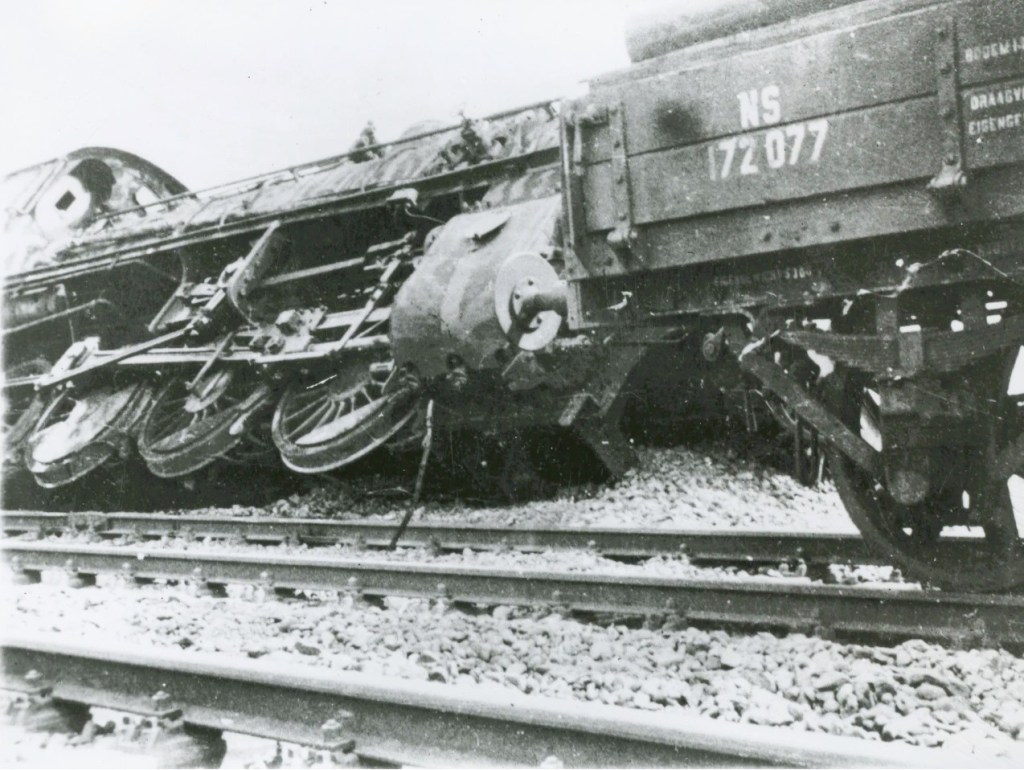
As a Black man in the resistance, Boy stood out significantly. At a certain point, it became too dangerous, and he moved through Delft to Rotterdam, where he joined a combat group under the alias Max Ernst. The work of the combat group was dangerous and involved high risks, including the execution of an NSB member (a Dutch Nazi collaborator). Because of this, members of the combat group were advised to write a will and a farewell letter to their families. Boy took this advice seriously and delivered a letter to his sister Mimi on September 24, 1944.
Betrayal and Execution
In late 1944, a dark turn of events unfolded. Ecury was betrayed by an acquaintance, Kees Bitter, who revealed his identity to the Gestapo. After his arrest on November 5, 1944, Ecury endured interrogation and torture, refusing to reveal any information about his comrades. On November 6, he was executed by a firing squad near the Waalsdorp fields in Scheveningen, at just 22 years old
A Lasting Legacy
After the war, Ecury’s father journeyed to the Netherlands to recover his son’s body. In 1947, Boy Ecury was laid to rest with military honors in Aruba, marking the beginning of a profound legacy on the island and beyond. A statue now stands in his honor, and his story is featured in museums as a testament to his sacrifice.
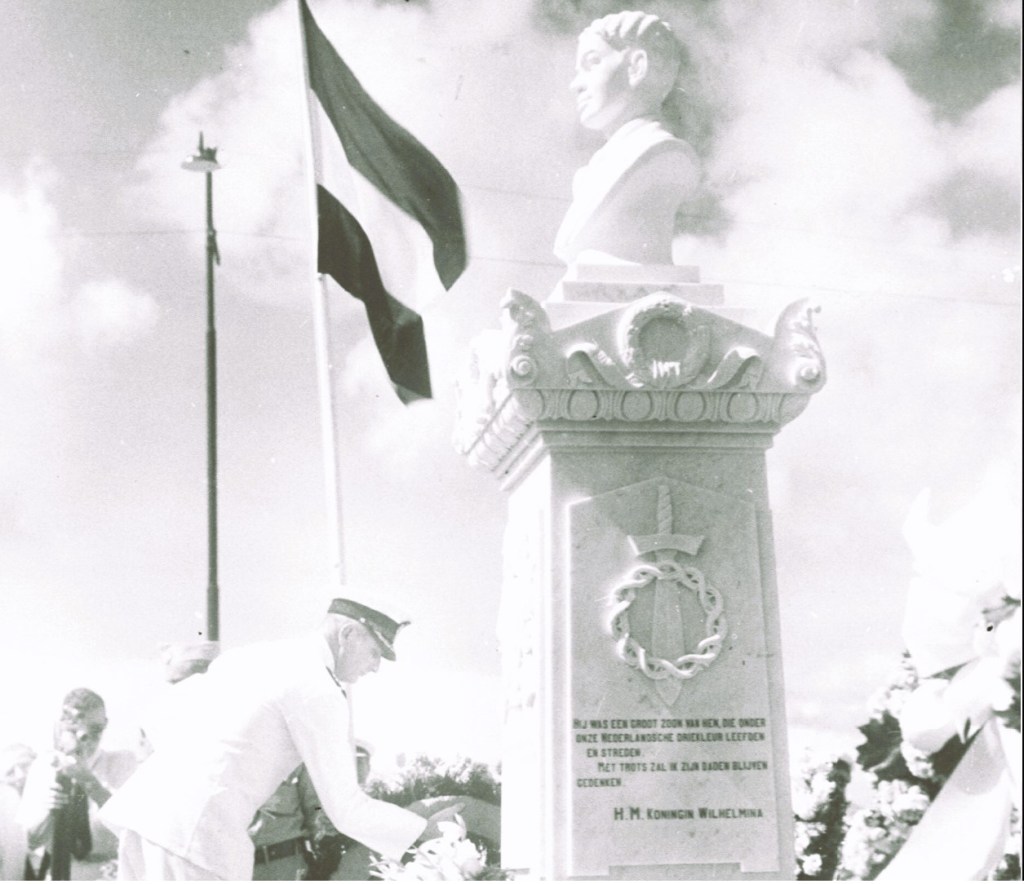
In 1984, the Dutch government awarded him a posthumous Resistance Commemorative Cross, recognizing his role in the fight against Nazi occupation.
Luis de Lannoy survived the war he died in 1971 in Willemstad,Curacao
In 2003, Dutch filmmaker Frans Weisz released a film about Ecury’s life, illuminating the story of a Caribbean man who made a monumental impact on the resistance in Europe. His bravery serves as a reminder of how ordinary individuals, regardless of background, can stand up to injustice and make a difference in the world.
Sources
https://www.visitaruba.com/aruban-people/boy-ecury
https://www.liberationroute.com/stories/431/boy-ecury
https://www.oorlogsbronnen.nl/artikel/boy-ecury-een-geweldig-gevoel-voor-rechtvaardigheid
https://www.tracesofwar.com/sights/28436/Memorial-Boy-Ecury.htm
Donation
Your readership is what makes my site a success, and I am truly passionate about providing you with valuable content. I have been doing this at no cost and will continue to do so. Your voluntary donation of $2 or more, if you are able, would be a significant contribution to the continuation of my work. However, I fully understand if you’re not in a position to do so. Your support, in any form, is greatly appreciated. Thank you. To donate, click on the credit/debit card icon of the card you will use. If you want to donate more than $2, just add a higher number in the box left from the PayPal link. Your generosity is greatly appreciated. Many thanks.
$2.00


 History of Sorts
Leave a comment