
When the Nazis rose to power in Germany, many businesspeople recognized opportunities in the new political climate.
Some capitalized on the environment fostered by the NSDAP, particularly regarding the “Jewish Question.” They actively supported the Nazi regime, driven by self-interest and personal gain.
Others, however, used their positions and influence to do good, helping those most persecuted under the Nazi regime. Among these were Ernst Leitz II and his family, who chose to resist injustice and extend aid to those in need.
The Leica Freedom Train is a lesser-known yet profoundly inspiring story from the dark period of the Nazi regime in Germany. It exemplifies how acts of courage and compassion can shine as beacons of hope in the face of oppression and brutality. This remarkable story revolves around Ernst Leitz II, the head of the Leica Camera Company, and his efforts to save Jews and other victims of Nazi persecution during World War II.
The Context of Nazi Germany
When Adolf Hitler rose to power in 1933, Germany quickly descended into a totalitarian state marked by widespread anti-Semitic laws, violence, and systemic persecution. The Nazi regime’s policies targeted Jews, political dissidents, and other marginalized groups, subjecting them to escalating brutality that culminated in the Holocaust. In this environment of fear and hatred, acts of resistance were both rare and perilous, as even minor opposition to Nazi policies could result in severe punishment or death.
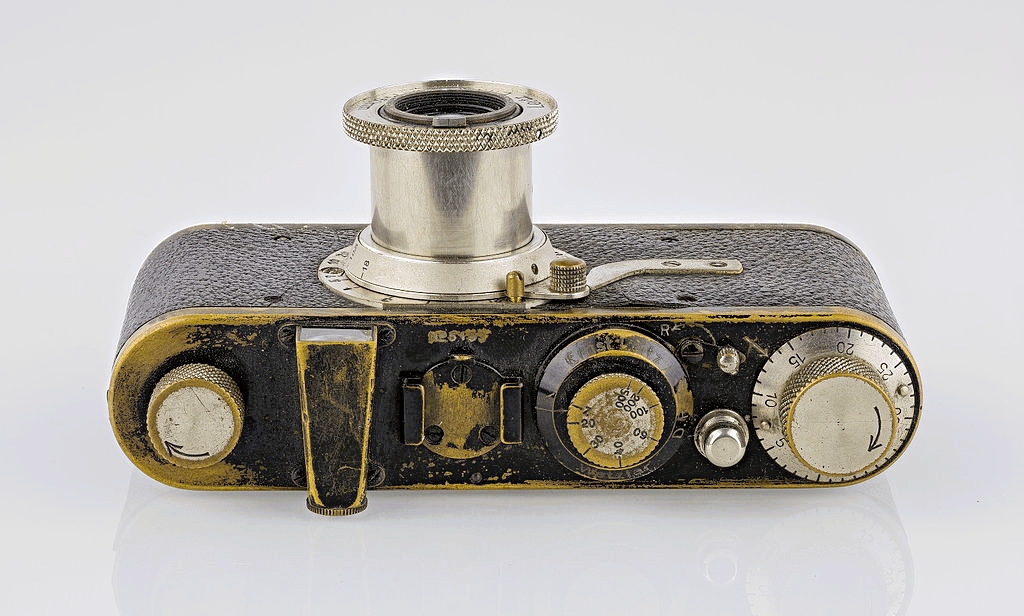
Ernst Leitz II and the Leica Company
Ernst Leitz II was the head of the Leica Camera Company, based in Wetzlar, Germany. Known for its innovative and high-quality photographic equipment, Leica had gained international recognition by the 1930s. However, beyond his contributions to the field of photography, Ernst Leitz II was a man of profound ethical principles who believed in justice, humanity, and equality.
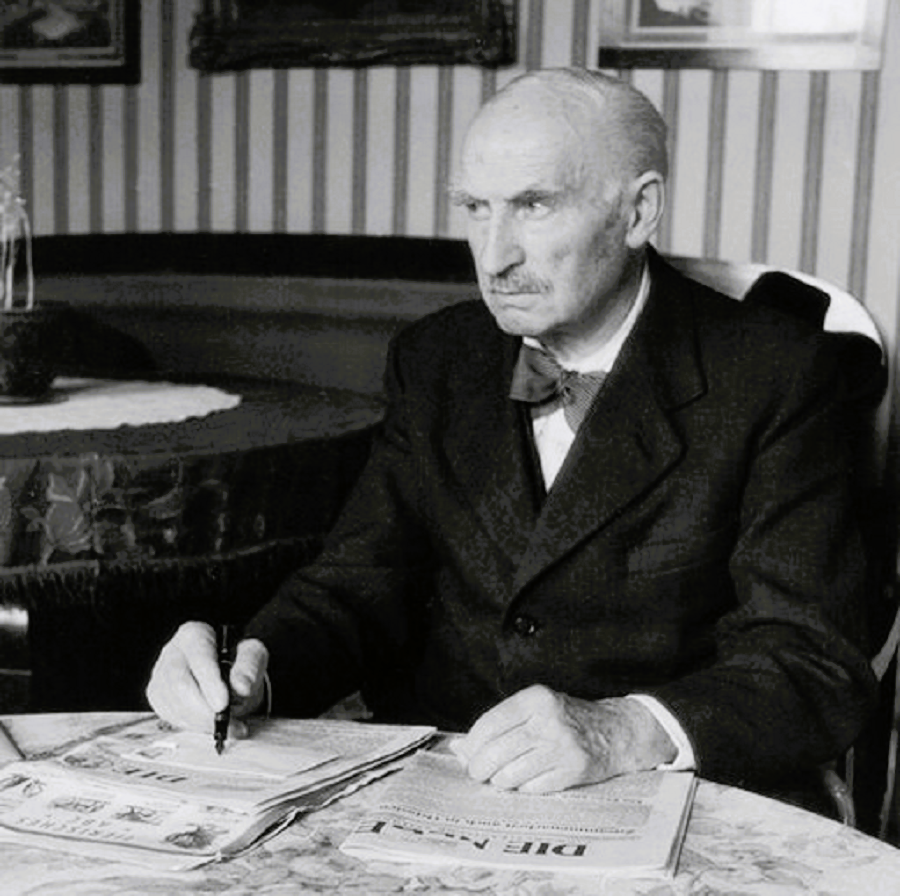
When the Nazi regime began its campaign of terror against Jews, Leitz decided to use his position and resources to help those in danger. This decision was both moral and incredibly risky. As a prominent industrialist in Germany, Leitz was under constant scrutiny by the Nazi authorities. Despite this, he embarked on a covert mission to save lives, later dubbed the “Leica Freedom Train.”
The Leica Freedom Train
The “Leica Freedom Train” was an informal, clandestine operation carried out by Leitz and his trusted associates to help Jews and other persecuted individuals escape Nazi Germany. Using the company’s international offices and reputation, Leitz provided safe passage for those at risk by offering them employment opportunities abroad. Once Leica hired individuals, they were able to obtain travel documents and emigrate to countries such as the United States, Great Britain, and China.
To help those in need, Ernst Leitz II quietly initiated what history would later call the Leica Freedom Train. While the plan appeared straightforward, its discovery could have brought devastating consequences for everyone involved. Under the guise of employee transfers to overseas positions, Leitz covertly facilitated the escape of Jews from Nazi Germany.
“Employees,” including actual workers, retailers, family members, and even friends of family members, were assigned to Leitz sales offices abroad. Leica gave most passage to the United States, but others found refuge in France, England, and even Hong Kong. These efforts grew more urgent after Kristallnacht—the “Night of Broken Glass”—in November 1938, when Jewish people were beaten and killed, and their shops, synagogues, and homes were destroyed across Germany.
Upon arriving in New York, those rescued were met at the pier and brought to Leitz’s Manhattan offices and showroom on 5th Avenue. There, they received assistance with finding jobs, housing, and other essentials to begin their new lives.

This process required immense coordination and secrecy. Leitz used his factory’s operations as a cover, claiming that the transfers were simply routine business decisions. The company absorbed the financial costs of these transfers, providing travel expenses and support for the emigrants as they resettled in new countries. Additionally, Leitz’s employees played a critical role in facilitating the escape plans, often at great personal risk.
One notable example of the Leica Freedom Train’s impact is the story of young Jewish women who were sent to the United States under the guise of being trained in Leica’s sales and service departments. Once they arrived, they were free from Nazi persecution and able to start new lives. These women, among many others, owed their survival to Leitz’s quiet heroism.
For those who struggled to find work, the refugees were provided with a living allowance. Each was also given a Leica camera—not for photography, but because the cameras could be easily exchanged for cash if needed. Many of these individuals went on to build careers in the photography industry, becoming product designers, repair technicians, salespeople, marketers, and even writers.
The Leica Freedom Train reached its peak in 1938 and continued into early 1939, with groups of refugees being discreetly sent to safety around the world every few weeks. Unfortunately, the operation came to an end with the German invasion of Poland on September 1, 1939, which marked the official closure of Germany’s borders and the onset of World War II.
Leitz’s daughter, Elsie Kuhn-Leitz, was imprisoned by the Gestapo after being caught at the border helping Jewish women escape into Switzerland.

Though eventually released, she endured harsh treatment during interrogation. Elsie also drew suspicion for her efforts to improve the living conditions of 700 to 800 Ukrainian women who had been forced into slave labor at the Leitz factory during the 1940s.
The Leitz company, while facilitating covert rescue efforts, also manufactured rangefinders and other optical equipment for the German military. Additionally, Nazi propaganda officials valued Leica cameras as essential tools for their campaigns, which may explain why some local Nazi officials turned a blind eye to the humanitarian actions of the Leitz family.
The Legacy of Ernst Leitz II
Ernst Leitz II’s actions were not widely known during his lifetime, as he chose to keep his efforts private. It was only years later, through the accounts of survivors and historical research, that the full extent of the Leica Freedom Train became apparent. Historians estimate that Leitz and his company saved hundreds of lives during the Nazi era—a remarkable achievement for an industrialist operating under a brutal dictatorship.
The legacy of the Leica Freedom Train is a testament to the power of individual and collective action in resisting injustice. Leitz’s moral courage reminds us that even in the darkest times, one person’s commitment to doing what is right can have a ripple effect, creating opportunities for others to act with similar bravery and compassion.
Lessons for Today
The story of the Leica Freedom Train holds timeless lessons for contemporary society. It underscores the importance of using privilege and influence to support vulnerable communities and stand against oppression. In a world where systemic injustices continue to affect millions, Ernst Leitz II’s example reminds us that ethical leadership and empathy are not just ideals but necessities.
Furthermore, the Leica Freedom Train demonstrates the value of quiet resistance. While public defiance of oppressive systems is often celebrated, covert acts of kindness and courage, such as those orchestrated by Leitz, are equally vital in the fight for justice. These acts often require significant personal sacrifice, yet they create lasting impacts that can save lives and inspire future generations.
The Leica Freedom Train is a story of hope, humanity, and moral strength in the face of unimaginable adversity. Ernst Leitz II’s bravery and commitment to saving lives illuminate the potential for goodness even in the midst of evil. By remembering and sharing stories like this, we honor those who stood on the right side of history and remind ourselves of our own capacity to make a difference in the world. The Leica Freedom Train not only saved lives but also served as a powerful example of how compassion and action can triumph over hatred and fear.
This remarkable story might never have come to light were it not for the dedicated research of Frank Dabba Smith, a California-born rabbi living in England. A Leica enthusiast and the rabbi of the Harrow and Wembley Progressive Synagogue in northwest London, Smith meticulously reconstructed the Leitz family’s efforts through photographs, documents, and letters of thanks from survivors and their families.

In 2002, Smith’s work culminated in the publication of The Greatest Invention of the Leitz Family: The Leica Freedom Train by the American Photographic Historical Society, detailing how the family quietly intervened to combat one of history’s greatest injustices. In 2007, Ernst Leitz II was posthumously honored with the Anti-Defamation League’s Courage to Care Award, further cementing the legacy of his bravery and humanitarianism.
Sources
https://www.accidentaltalmudist.org/heroes/2024/08/05/leica-freedom-train-ernst-leitz-ii/
https://www.diyphotography.net/leica-freedom-train-legacy-beyond-photography/
https://en.wikipedia.org/wiki/Leica_Freedom_Train
Donations
Your readership is what makes my site a success, and I am truly passionate about providing you with valuable content. I have been doing this at no cost and will continue to do so. Your voluntary donation of $2 or more, if you are able, would be a significant contribution to the continuation of my work. However, I fully understand if you’re not in a position to do so. Your support, in any form, is greatly appreciated. Thank you. To donate, click on the credit/debit card icon of the card you will use. If you want to donate more than $2, just add a higher number in the box left from the PayPal link. Your generosity is greatly appreciated. Many thanks.
$2.00


 History of Sorts
Leave a comment