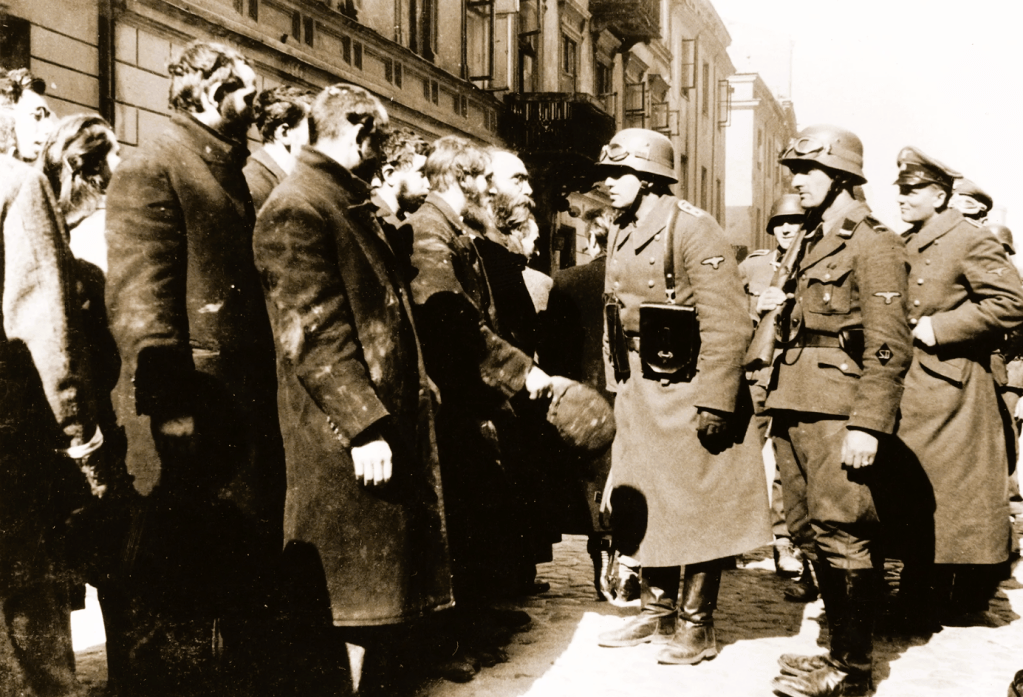
The Schutzstaffel (SS): The Engine of the Nazi State
The Schutzstaffel, commonly referred to as the SS, played a pivotal role in the rise and implementation of the Nazi regime in Germany between 1925 and 1945. Originally formed as a paramilitary bodyguard unit for Adolf Hitler, the SS evolved into a multifaceted organization responsible for some of the most heinous crimes in human history, including the orchestration of the Holocaust. This blog will explore the origins, structure, key functions, and legacy of the SS, shedding light on its dark role in 20th-century history.
Origins of the Schutzstaffel
The Schutzstaffel was established in April 1925 as a small, elite unit tasked with protecting Adolf Hitler and other high-ranking Nazi leaders. It was initially a subset of the Sturmabteilung (SA), or “Brownshirts,” the paramilitary wing of the Nazi Party. Under the leadership of Heinrich Himmler, appointed Reichsführer-SS in 1929, the SS was transformed from a modest 300-man force into an independent and ideologically driven organization with unparalleled influence.
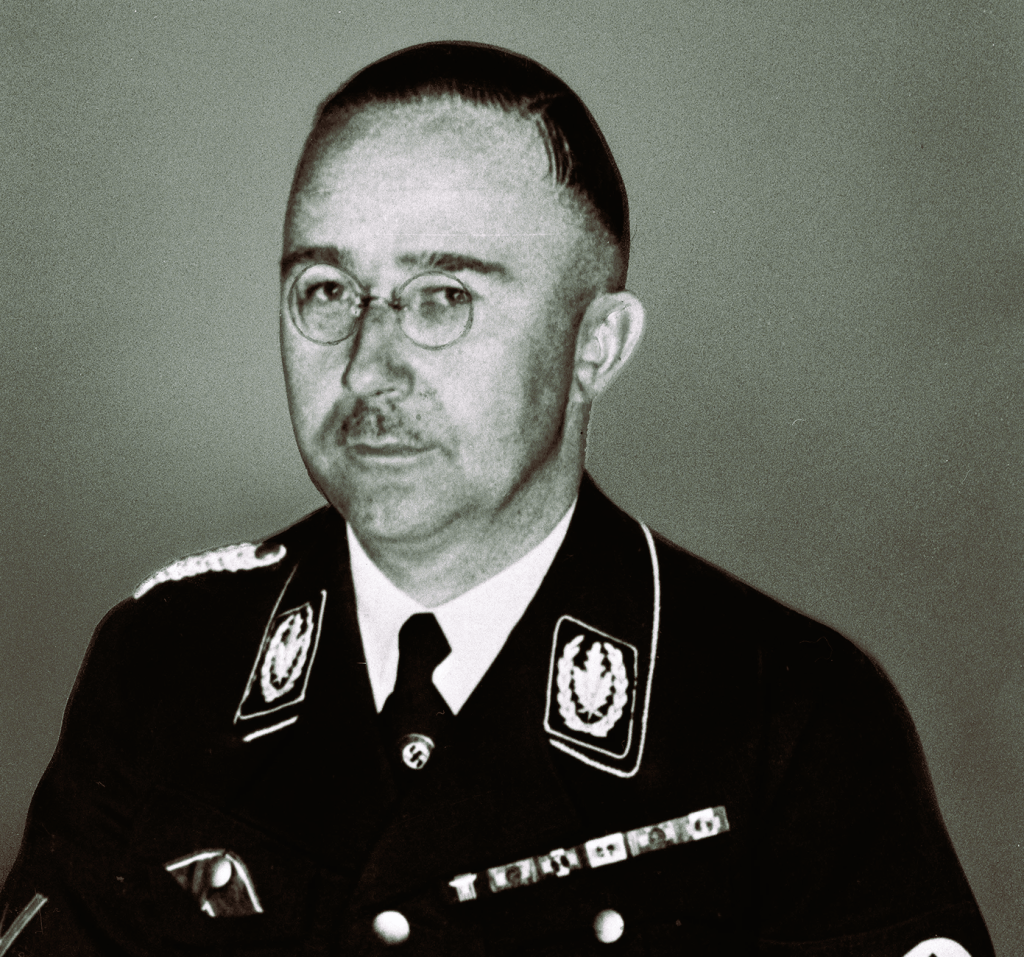
Himmler’s vision for the SS was one of loyalty, discipline, and racial purity. Members were subjected to rigorous vetting processes to ensure their alignment with Nazi ideology, particularly the pseudo-scientific concept of Aryan racial superiority. By the mid-1930s, the SS had outgrown its initial purpose, becoming a central tool in the Nazi regime’s totalitarian control.
Structure and Divisions of the SS
As the SS expanded, it was divided into several branches, each with distinct roles and responsibilities. The major divisions included:
- Allgemeine SS (General SS):
The Allgemeine SS handled administrative, ideological, and political matters. This branch was responsible for promoting Nazi racial policies and overseeing local enforcement of Nazi ideology. Members of the Allgemeine SS held various ranks, resembling a military hierarchy, and often served in leadership roles in occupied territories. - Waffen-SS (Armed SS):
The Waffen-SS was the militarized wing of the SS, comprising elite combat units. Initially formed to supplement the Wehrmacht (German Army), the Waffen-SS grew into a formidable force, engaging in major battles during World War II. It was also notorious for its participation in war crimes, including the massacre of civilians and prisoners of war. - SS-Totenkopfverbände (Death’s Head Units):
This division was tasked with running Nazi concentration camps, labor camps, and extermination camps. The SS-Totenkopfverbände played a central role in implementing the Holocaust, overseeing the systematic murder of six million Jews, along with millions of other victims deemed undesirable by the Nazi regime. - Reichssicherheitshauptamt (RSHA – Reich Main Security Office):
Under the direction of Reinhard Heydrich, the RSHA merged the Sicherheitsdienst (SD, or Security Service) and the Gestapo (Secret State Police). The RSHA coordinated intelligence operations, counterintelligence, and the suppression of political dissent. It was instrumental in organizing the Final Solution. - Ahnenerbe:
This SS-affiliated research institution focused on pseudo-scientific studies to validate Nazi racial ideologies. Members conducted anthropological and archaeological expeditions to assert the supposed superiority of the Aryan race.
Role in the Holocaust
The SS was at the core of the Holocaust, a genocide unparalleled in its scale and cruelty. Through the RSHA and SS-Totenkopfverbände, the SS planned, executed, and managed the machinery of extermination.
- Ghettos and Deportations: The SS oversaw the establishment of Jewish ghettos in occupied territories and coordinated the deportation of millions to concentration camps. Jews were rounded up under horrific conditions, often deprived of basic necessities, and crammed into overcrowded ghettos where starvation and disease were rampant. SS forces ensured the systematic deportation of these individuals to death camps by means of trains in operations like the “Judenreferat” or Jewish Section, which focused on destroying Jewish communities.
- Concentration and Extermination Camps: The SS was responsible for designing and running the network of camps that formed the backbone of the Holocaust. Camps like Auschwitz, Treblinka, Sobibor, and Majdanek were turned into industrialized centers of murder. The SS orchestrated processes of “selection” upon arrival, determining who would be sent to forced labor and who would be immediately executed in gas chambers. The SS also oversaw medical experiments conducted on prisoners by figures like Josef Mengele, furthering the barbarity of their role.
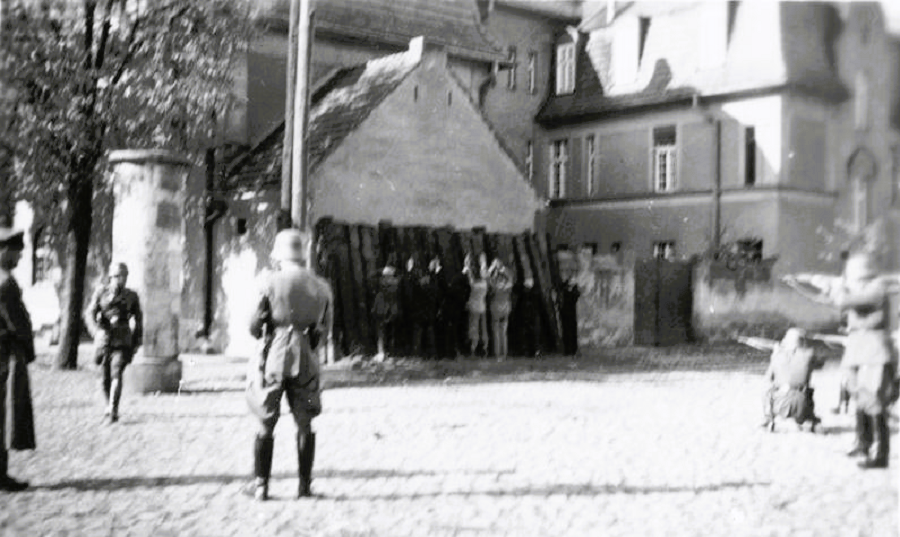
- Einsatzgruppen: These were mobile killing units tasked with exterminating Jews, Romani people, Soviet political commissars, and other groups deemed enemies of the Nazi state. Operating primarily in Eastern Europe, Einsatzgruppen conducted mass shootings, often forcing victims to dig their own graves before executing them. The killings were brutal and direct, leaving behind thousands of mass graves. They were responsible for over a million deaths and were often aided by local collaborators.
- The Final Solution: The SS played a leading role in the Wannsee Conference of 1942, where senior officials, including Reinhard Heydrich, formalized plans for the systematic annihilation of European Jewry. The SS coordinated the logistics of this genocide, from transportation to the camps to the implementation of mass extermination technologies.
The sheer scope of the SS’s role in the Holocaust underscores its centrality to the Nazi regime’s most horrific policies. By managing every step of the process—from identification and deportation to execution—the SS became synonymous with the Holocaust’s atrocities.
The SS as an Ideological Organization
The SS was more than a paramilitary or security organization; it was a bastion of Nazi ideology. Heinrich Himmler envisioned the SS as a “new aristocracy” of racially pure, ideologically committed Germans who would shape the future of the Third Reich.
Training for SS officers emphasized not only military skills but also indoctrination in Nazi racial theory and loyalty to Adolf Hitler. Members were expected to serve as role models of Nazi virtues, embodying discipline, obedience, and racial purity.
Downfall and Legacy
As the war turned against Germany, the SS became increasingly desperate, intensifying its reign of terror both on the battlefield and in occupied territories. Following Germany’s defeat in 1945, the SS was declared a criminal organization during the Nuremberg Trials due to its leading role in war crimes and crimes against humanity.
Heinrich Himmler attempted to escape but was captured by Allied forces and committed suicide in May 1945. Many other high-ranking SS officers were prosecuted, though some evaded justice by fleeing abroad. The full extent of the SS’s atrocities continues to be a subject of historical study and moral reckoning.
The Schutzstaffel remains a symbol of tyranny, genocide, and totalitarianism. Its transformation from a personal bodyguard unit to an organization responsible for mass murder exemplifies how state power can be corrupted and weaponized under an extremist ideology.
Studying the SS is not only vital for understanding the mechanisms of Nazi rule but also serves as a grim reminder of the consequences of unchecked hatred and authoritarianism. It underscores the importance of vigilance in defending human rights and opposing ideologies that seek to dehumanize and destroy.
Sources
https://encyclopedia.ushmm.org/content/en/article/ss
https://www.britannica.com/topic/SS
https://www.jewishvirtuallibrary.org/background-and-overview-of-the-ss?utm_content=cmp-true
https://www.bildung-ns-zwangsarbeit.de/en/education/glossary/term/schutzstaffel-ss/
https://en.wikipedia.org/wiki/Schutzstaffel#
Donations
Your readership is what makes my site a success, and I am truly passionate about providing you with valuable content. I have been doing this at no cost and will continue to do so. Your voluntary donation of $2 or more, if you are able, would be a significant contribution to the continuation of my work. However, I fully understand if you’re not in a position to do so. Your support, in any form, is greatly appreciated. Thank you. To donate, click on the credit/debit card icon of the card you will use. If you want to donate more than $2, just add a higher number in the box left from the PayPal link. Your generosity is greatly appreciated. Many thanks.
$2.00

 History of Sorts
Leave a comment