Operation Postmaster: A Daring Special Operations Executive Mission in World War II
Introduction
Operation Postmaster was a covert military operation conducted during World War II by the British Special Operations Executive (SOE). It was a meticulously planned and highly successful mission that took place in January 1942, targeting enemy-controlled shipping in Spanish-controlled Fernando Po (now Bioko, part of Equatorial Guinea). The operation showcased the SOE’s expertise in unconventional warfare, espionage, and sabotage. This essay explores the background, planning, execution, and consequences of Operation Postmaster, emphasizing its significance in the broader context of the war.
Background and Strategic Importance
During the early years of World War II, the British government established the Special Operations Executive (SOE) to carry out sabotage, subversion, and espionage in Axis-occupied territories. One of SOE’s mandates was to disrupt enemy shipping and supply lines. The Germans and Italians frequently used neutral ports in Spanish-controlled territories to evade British naval blockades, posing a significant challenge to Allied operations in West Africa.
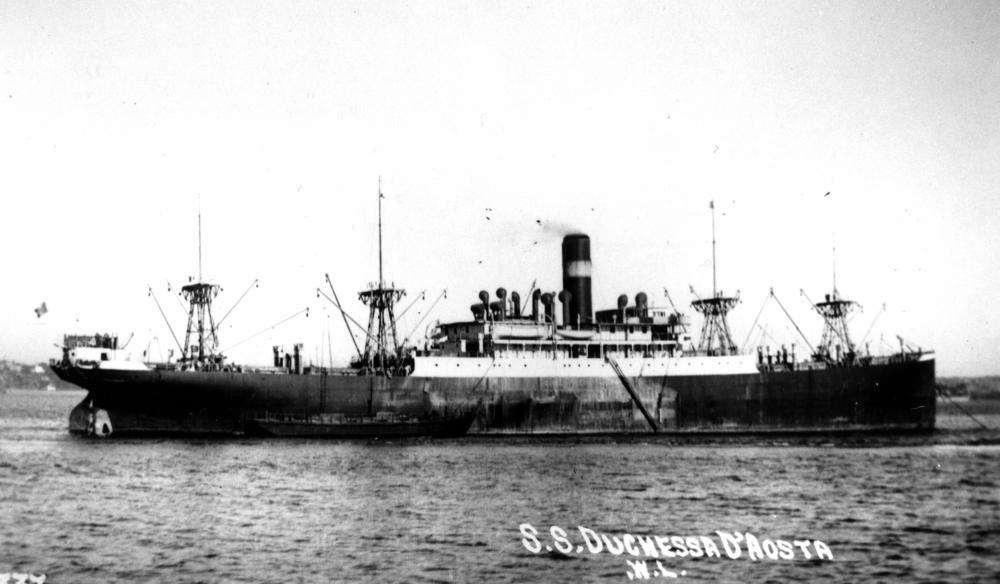
Fernando Po, a Spanish colony off the coast of West Africa, was one such location where Axis powers enjoyed relative freedom. The island’s main port, Santa Isabel, harbored several ships suspected of aiding Axis intelligence and logistics. These included the Italian merchant ship Duchessa d’Aosta and the German tugboat Likomba, along with a smaller vessel named Bibundi. The British suspected these ships of relaying intelligence to German U-boats and facilitating espionage activities in the Atlantic. However, due to Spanish neutrality, a direct military attack was diplomatically unfeasible. Consequently, SOE devised a plan to seize the ships without violating Spanish sovereignty—thus, Operation Postmaster was born.
Planning and Preparation
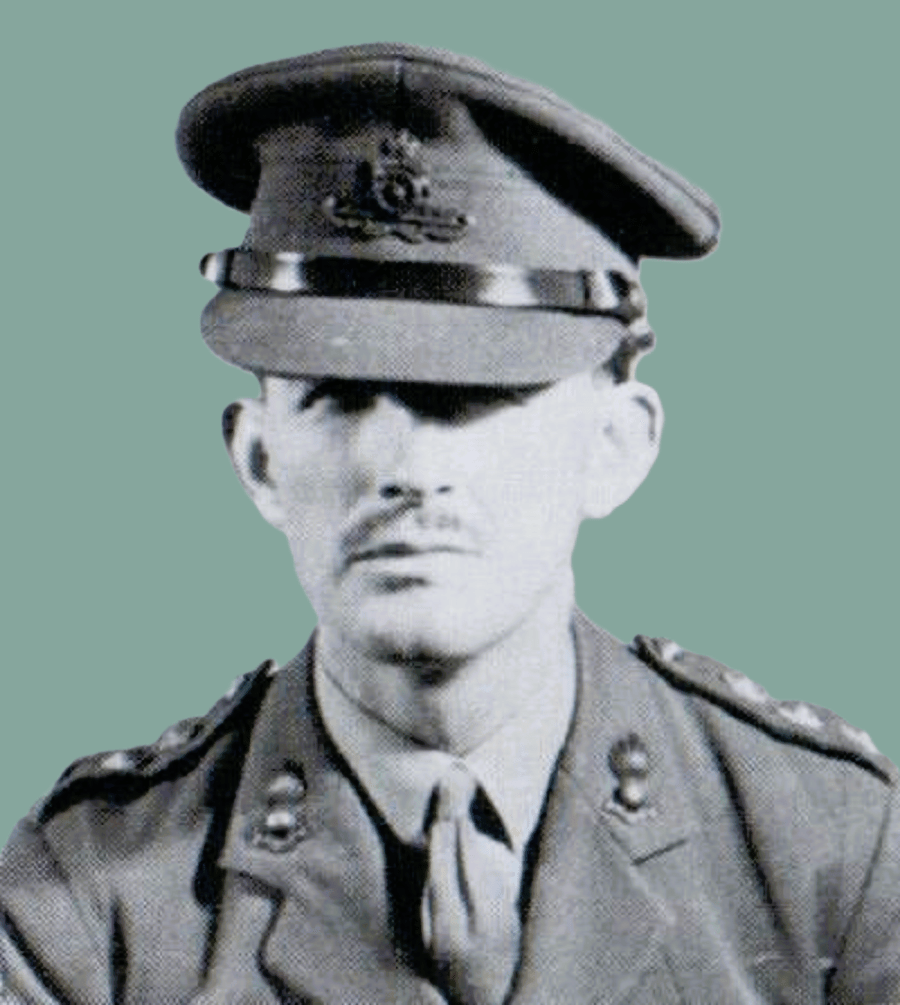
The operation was conceived and executed by the SOE’s West African headquarters under the leadership of Major Gus March-Phillipps, the commander of the Special Operations group known as the Small Scale Raiding Force (SSRF). The team comprised elite commandos, intelligence officers, and naval specialists who trained rigorously for the mission.
Key objectives included:
- Infiltrating Santa Isabel harbor unnoticed.
- Neutralizing any resistance.
- Towing the targeted ships out of Spanish territorial waters.
- Delivering them to British-controlled areas for further use or destruction.
The British deployed the tugboat Vulcan, disguised as a neutral vessel, for the mission. The plan relied on stealth, deception, and precise coordination.
Execution of the Operation
On the night of January 14–15, 1942, the operation commenced. The SOE operatives, dressed as merchant seamen, covertly entered Santa Isabel harbor under the cover of darkness. They approached the enemy vessels in small boats, boarding them with swift precision.
Once aboard, they quickly overwhelmed the crews, most of whom were either asleep or caught off guard. The commandos secured the ships, cut their anchor chains, and attached towing lines to Vulcan. Within minutes, they had successfully pulled Duchessa d’Aosta, Likomba, and Bibundi out of the harbor. As they moved out to sea, the Spanish authorities, initially confused, were unable to mount an effective response. The mission was completed without any casualties on the British side.
Aftermath and Consequences
The seized vessels were taken to Lagos, Nigeria, where they were repurposed for Allied use. The Duchessa d’Aosta, in particular, was a valuable prize, as it contained important intelligence documents and military supplies that aided the war effort.
Operation Postmaster had significant diplomatic and military repercussions. While the British government officially denied involvement, the operation strained relations between Spain and Britain. The Spanish authorities, under pressure from Germany and Italy, protested against the breach of their neutrality. However, the British justified their actions as necessary wartime measures. The operation also bolstered the reputation of the SOE, demonstrating its ability to carry out precision raids with minimal resources.
From a strategic perspective, the success of Operation Postmaster disrupted Axis intelligence operations in West Africa and reinforced British naval dominance in the region. It also served as a morale booster for Allied special operations, proving that well-planned commando missions could achieve remarkable results without large-scale engagements.
Operation Postmaster remains one of the most daring and successful covert missions of World War II. It exemplified the effectiveness of unconventional warfare and demonstrated the strategic ingenuity of the Special Operations Executive. By employing deception, speed, and meticulous planning, the SOE operatives managed to strike a significant blow against Axis maritime operations while avoiding direct diplomatic fallout. The mission stands as a testament to the courage and resourcefulness of the operatives who carried it out, highlighting the critical role of special operations in the broader context of the war.
In 2024, director Guy Ritchie released The Ministry of Ungentlemanly Warfare, a movie based on Operation Postmaster. I watched it this weekend, and while it was an enjoyable film, I couldn’t help but be annoyed by the number of historical inaccuracies.
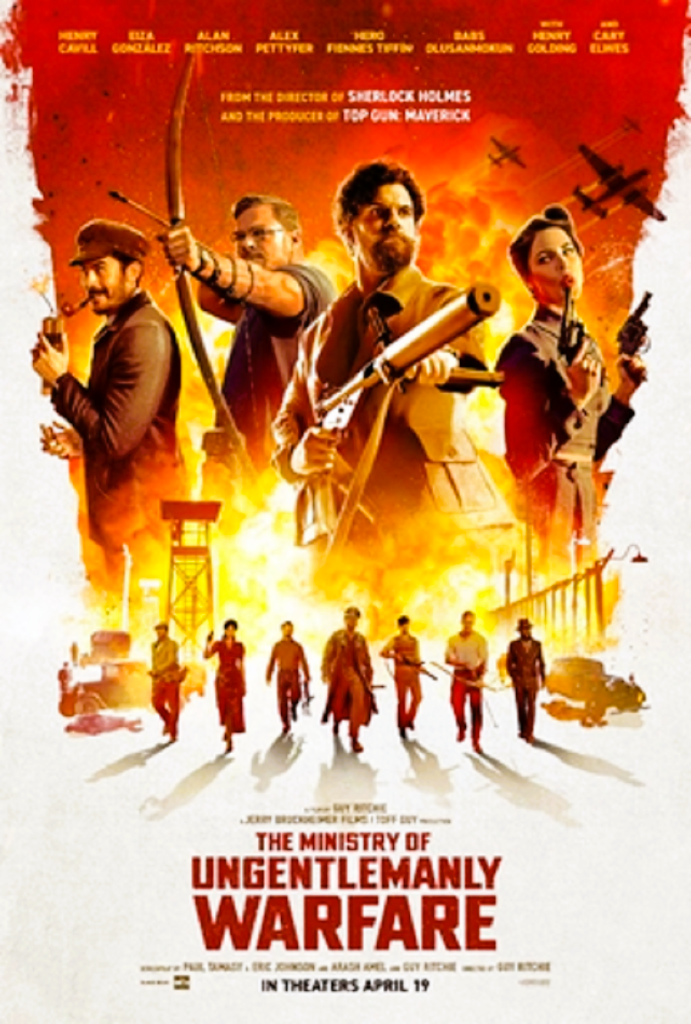
Now, I understand that Guy Ritchie takes some creative liberties in his movies, but one particular detail stood out to me. A character, Marjorie Frances Esclairmonde Stewart—a British actress and member of the Special Operations Executive (SOE) during World War II—was played by Eiza González. At one point, she sings the English version of Mack the Knife, the english version of”Die Moritat von Mackie Messer” a version that wasn’t released until the 1950s.
sources
https://en.wikipedia.org/wiki/Operation_Postmaster#
https://en.wikipedia.org/wiki/Gus_March-Phillipps#
https://www.iwm.org.uk/history/operation-postmaster-the-most-daring-mission-of-the-second-world-war
https://en.wikipedia.org/wiki/The_Ministry_of_Ungentlemanly_Warfare
https://www.findmypast.co.uk/blog/history/the-ministry-of-ungentlemanly-warfare
Donation
Your readership is what makes my site a success, and I am truly passionate about providing you with valuable content. I have been doing this at no cost and will continue to do so. Your voluntary donation of $2 or more, if you are able, would be a significant contribution to the continuation of my work. However, I fully understand if you’re not in a position to do so. Your support, in any form, is greatly appreciated. Thank you. To donate, click on the credit/debit card icon of the card you will use. If you want to donate more than $2, just add a higher number in the box left from the PayPal link. Your generosity is greatly appreciated. Many thanks.
$2.00


Leave a comment