
Dachau: A Symbol of Nazi Terror and Remembrance
Dachau, a name synonymous with suffering and oppression, was the first concentration camp established by the Nazi regime. Opened on March 22, 1933, it was originally intended to house political prisoners but soon became a model for subsequent concentration camps. Located near Munich, Germany, Dachau was operational until its liberation by American forces on April 29, 1945. Throughout its existence, it witnessed the inhumane treatment, forced labor, and systematic extermination of prisoners. Today, it stands as a somber memorial to the victims of the Holocaust and a crucial historical site for understanding the atrocities committed during World War II.
Establishment and Function
Dachau was constructed shortly after Adolf Hitler rose to power as Chancellor of Germany. Initially, it was used to imprison political dissidents such as Communists, Social Democrats, and trade unionists. Over time, the camp’s function expanded to include Jews, Romani people, homosexuals, Jehovah’s Witnesses, and other groups deemed undesirable by the Nazi regime. Dachau became a prototype for the vast concentration camp network that would spread across Nazi-occupied Europe.
The camp was divided into two main sections: the prisoner area, which contained barracks, and the SS area, where the administrative and operational functions took place. Prisoners were subjected to grueling forced labor, inadequate nutrition, disease, and severe punishment for even minor infractions. Many were subjected to medical experiments, including hypothermia studies and testing of various vaccines, conducted by Nazi doctors without consent. These inhumane experiments caused immense suffering and resulted in the deaths of many prisoners.
Conditions and Atrocities
Life in Dachau was marked by extreme brutality. Prisoners endured harsh treatment from SS guards, who inflicted severe beatings, torture, and executions. The camp’s infrastructure included a gas chamber, though it is uncertain how extensively it was used. Nonetheless, thousands of prisoners perished due to starvation, disease, overwork, and summary executions.
The infamous “death marches” occurred in the final days of the camp. As Allied forces approached, the Nazis forced thousands of prisoners to march away from the camp under horrific conditions, with many dying en route due to exhaustion, malnutrition, and execution by guards. When American troops arrived on April 29, 1945, they discovered a scene of horror—bodies stacked in railcars, emaciated prisoners, and evidence of mass killings.
Liberation and Post-War Significance
The liberation of Dachau was a moment of both relief and horror for the Allies. Soldiers were shocked by the atrocities they witnessed, leading to the summary execution of some SS personnel. Survivors recounted harrowing stories of suffering and loss. In the aftermath of the war, Dachau was used to house refugees and as a site for war crimes trials. Many SS officers and personnel associated with the camp were prosecuted, though some escaped justice.
In the years that followed, the site was transformed into a memorial to honor the victims. The Dachau Concentration Camp Memorial Site was established in 1965, and today, it serves as a place of education and reflection. The preserved barracks, crematorium, and museum provide visitors with insight into the horrors of the Holocaust and the dangers of totalitarianism.
Dachau remains a powerful symbol of the Holocaust, a reminder of the depths of human cruelty, and a call for vigilance against hatred and oppression. The memorial site ensures that the world does not forget the atrocities committed there, serving as a testament to the resilience of those who suffered and a warning against repeating history. By remembering Dachau, we honor the victims and reaffirm our commitment to justice, human rights, and peace.
The gate, at Dachau measuring approximately two meters by one meter (7 by 3 feet) and weighing around 100 kilograms (220 pounds), was stolen in November 2014, sparking outrage both domestically and internationally. Two years later, authorities recovered it in a parking lot near Bergen, Norway, following an anonymous tip. Forensic tests found no fingerprints or DNA, leaving investigators unable to identify any suspects. The motive behind the crime remains unclear.
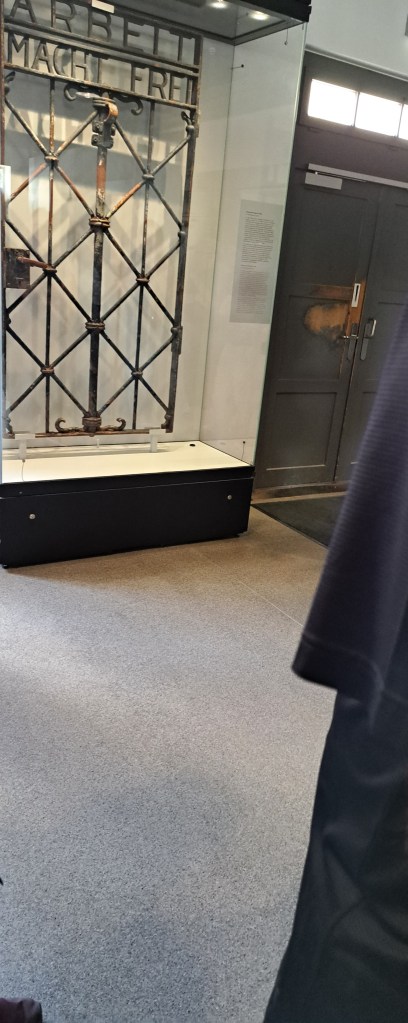
Remembering one of the victims
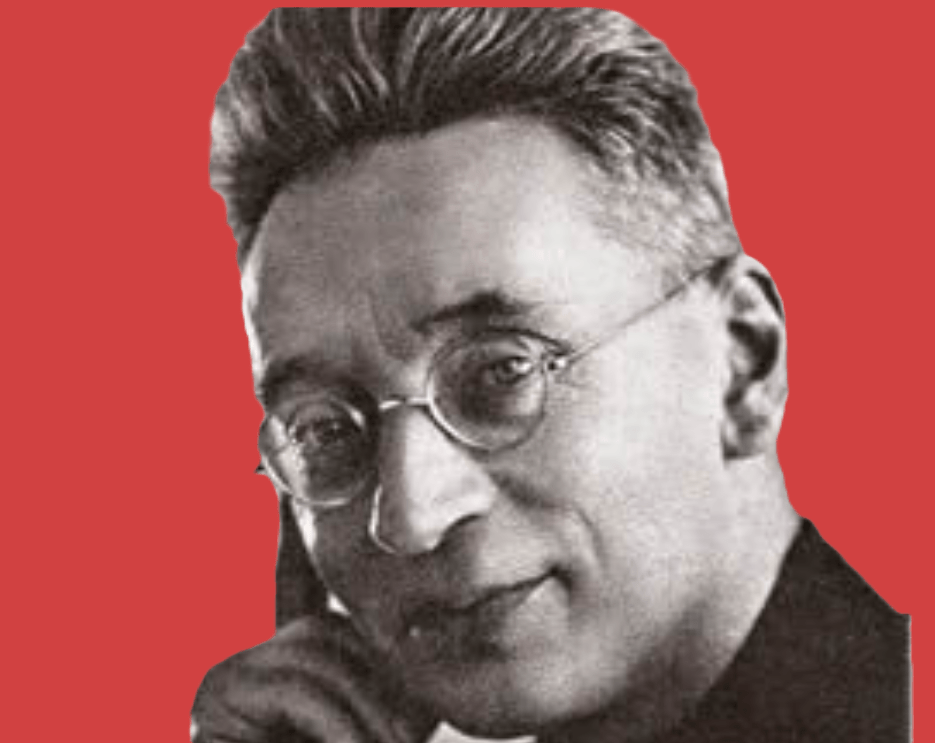
Titus Brandsma: A Martyr of Faith and Resistance
Titus Brandsma was a Carmelite priest, philosopher, and educator whose unwavering faith and intellectual brilliance made him one of the most inspiring figures of the Dutch resistance during World War II. His courageous stand against Nazi oppression, coupled with his deep spirituality, led to his martyrdom in the fight for human dignity and freedom. This essay explores his life, resistance efforts, and the enduring legacy of his courage and sacrifice.
Early Life and Spiritual Calling
Born as Anno Sjoerd Brandsma on February 23, 1881, in the small village of Oegeklooster, Friesland, the Netherlands, Brandsma grew up in a devout Catholic family—uncommon in the predominantly Protestant region. His upbringing instilled in him a strong sense of faith, social justice, and the importance of education.
At 17, he joined the Carmelite order, taking the name “Titus” after his father. Ordained as a priest in 1905, he quickly distinguished himself as a gifted scholar and educator. Brandsma pursued advanced studies in philosophy and mysticism in Rome, earning a doctorate in philosophy. Upon returning to the Netherlands, he became a professor at the Catholic University of Nijmegen (now Radboud University), where he taught philosophy, mysticism, and spirituality.
Beyond academics, Brandsma was deeply committed to social justice and the defense of human rights. He championed Catholic education, worked as a journalist, and became an outspoken critic of totalitarian ideologies—qualities that would later bring him into direct conflict with the Nazis.
Opposition to Nazi Ideology
When Nazi Germany invaded the Netherlands in May 1940, Brandsma became an outspoken critic of the regime. He viewed Nazi ideology as fundamentally incompatible with Christian values, particularly its emphasis on racial superiority, anti-Semitism, and the suppression of human dignity.
A key aspect of his resistance was his opposition to Nazi propaganda in the Dutch Catholic press. He believed the Catholic Church had a moral duty to reject Nazi ideology and insisted that Catholic newspapers should not be used to support the regime’s goals. In 1941, when the Nazis ordered all Dutch newspapers to publish pro-Nazi content, Brandsma traveled across the country, urging Catholic editors to resist. He argued that participating in Nazi propaganda violated Catholic principles and that the Church must stand firm against evil.
Arrest and Imprisonment
His resistance activities soon attracted the attention of the Nazi authorities. On January 19, 1942, the Gestapo arrested him for his outspoken opposition and efforts to prevent Catholic newspapers from collaborating with the occupiers. Brandsma was taken to Scheveningen prison, where he endured harsh interrogation and solitary confinement.
Despite suffering physical and psychological torture, he remained steadfast in his faith. His deep spirituality gave him the strength to endure hardship with dignity and grace. Even in prison, he continued offering spiritual support to fellow inmates and even to his captors, embodying his belief in the power of love and forgiveness.
After months in various prisons, Brandsma was transferred to the notorious Dachau concentration camp in June 1942. As the first Nazi concentration camp, Dachau became a symbol of the regime’s cruelty, housing thousands of political prisoners, religious figures, and Jews subjected to forced labor and medical experiments.
At Dachau, Brandsma’s health quickly deteriorated due to malnutrition, harsh conditions, and physical abuse. Yet, he remained a beacon of hope, offering comfort and spiritual guidance to fellow prisoners. His unwavering faith and compassion made him a source of strength in the darkest of times.

Martyrdom
On July 26, 1942, Brandsma was executed by lethal injection at Dachau. Selected for medical experimentation due to his weakened state, he ultimately became one of the countless victims of Nazi brutality. His death marked the culmination of his resistance, yet his legacy as a martyr for faith and justice was only beginning.
Brandsma’s refusal to compromise his principles, his dedication to helping others in the face of suffering, and his steadfast opposition to tyranny have made him a lasting symbol of moral courage and spiritual strength. His martyrdom is a testament to the power of faith in the struggle against evil.
Legacy and Canonization
Titus Brandsma’s legacy continues to inspire people worldwide. After the war, he was recognized as one of many religious figures who played a crucial role in resisting Nazi oppression. In 1985, the Catholic Church declared him a martyr. In 2005, Pope John Paul II beatified him, acknowledging his sacrifice and life of holiness.
His beatification underscored his commitment to human dignity and his role as a defender of press freedom against totalitarianism. In May 2022, Pope Francis canonized Titus Brandsma as a saint, cementing his place in the Church’s history of martyrs and heroes.
His canonization serves as a reminder of the importance of standing up for justice, truth, and human dignity, even in the face of overwhelming oppression. Brandsma’s life is a powerful example of how faith and intellect can be united in the pursuit of social justice and the defense of the most vulnerable.
His canonization reflects the timeless relevance of his message: faith must be lived through action, and even in the face of oppression, one can choose to stand for love, justice, and human dignity. His life is a testament to the power of faith and intellect in the fight against evil, and his example continues to inspire those who seek to promote peace and justice today.
sources
https://encyclopedia.ushmm.org/content/en/article/dachau
https://www.annefrank.org/en/timeline/144/the-construction-of-dachau-the-first-concentration-camp/
https://www.nationalww2museum.org/war/articles/dachau-model-concentration-camp-1933-39
https://oorlogsgravenstichting.nl/personen/19680/anno-sjoerd-brandsma
https://www.4en5mei.nl/oorlogsmonumenten/zoeken/3515/oegeklooster-monument-voor-titus-brandsma
Please support us so we can continue our important work.
Donation
Your readership is what makes my site a success, and I am truly passionate about providing you with valuable content. I have been doing this at no cost and will continue to do so. Your voluntary donation of $2 or more, if you are able, would be a significant contribution to the continuation of my work. However, I fully understand if you’re not in a position to do so. Your support, in any form, is greatly appreciated. Thank you. To donate, click on the credit/debit card icon of the card you will use. If you want to donate more than $2, just add a higher number in the box left from the PayPal link. Your generosity is greatly appreciated. Many thanks.
$2.00
 History of Sorts
Leave a comment