
When the gates of Auschwitz, Bergen-Belsen, Dachau, Mauthausen and other Nazi concentration camps were finally unshackled in 1945, the world watched as skeletal survivors stumbled out of hell. The war was ending, and freedom had come. But for thousands of victims, it came too late.
These are the stories we don’t always hear—the stories of those who survived the gas chambers, the forced marches, the starvation, and the terror, only to perish days, sometimes hours, after liberation. They lived long enough to see the barbed wire fall, but not long enough to begin life anew.
The Cruel Irony of Freedom
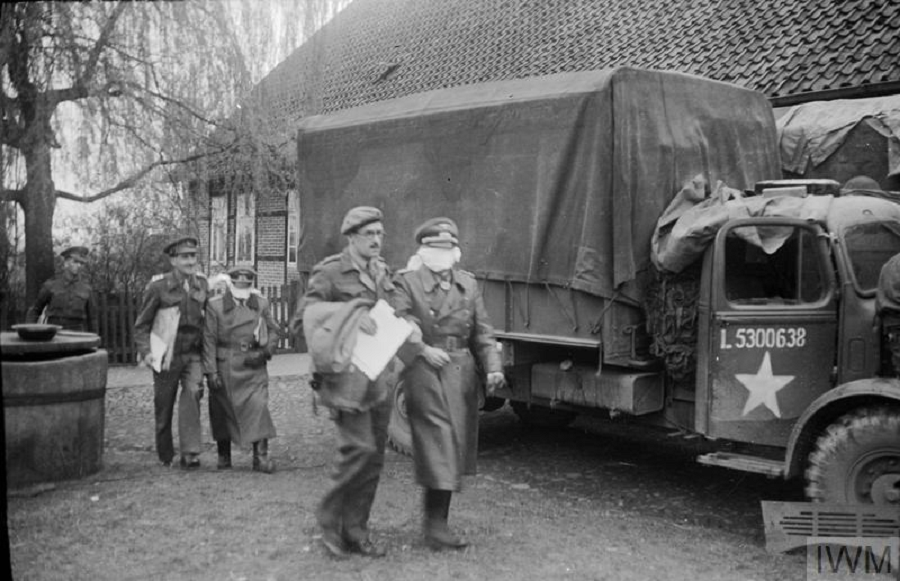
When British soldiers entered Bergen-Belsen in April 1945, they found more than 60,000 emaciated prisoners and over 13,000 unburied corpses. Typhus, tuberculosis, and dysentery ravaged the camp. Liberation wasn’t a moment of instant healing—it was a race against time, and for many, time had simply run out.
Take the case of Anne Frank, perhaps the most iconic young voice of the Holocaust. She and her sister Margot died of typhus in Bergen-Belsen just weeks before the camp was liberated. Had the Allied forces arrived just a few weeks earlier, Anne’s diary might have had another ending—one of survival, healing, and rebuilding.
For those who were still alive when the camps were liberated, many were too weak to recover. Some died in makeshift hospital beds, cradled by unfamiliar arms of kindness for the first time in years. Others passed in the same dirt they had collapsed into the day before liberation, their bodies already past saving.
The Silent Toll
Why did so many die after liberation? Because liberation doesn’t erase starvation. It doesn’t undo months or years of disease, or replenish muscles wasted from slave labor. Aid came fast, but conditions were catastrophic. Medical supplies were limited, doctors were overwhelmed, and many victims simply had no strength left to cling to life.
The term “survivor” is often used as a badge of strength—and rightly so. But it can also obscure a painful truth: not everyone who made it out of the camps truly survived. The line between death and life was so thin, so fragile, that even the joy of freedom couldn’t keep it from breaking.
Grief and Gratitude, Intertwined
Those who did survive carry the memory of those who didn’t. In many memoirs and testimonies, there’s a guilt—a grief that never fully leaves. They speak of friends who said, “I’ll make it,” only to slip away in their sleep. Of sisters and brothers who held hands until one hand went cold.
And yet, they remember. They carry these stories. And so must we.
To honor Holocaust victims is not only to remember the six million Jews who were murdered, but also the countless others who died in the shadows of freedom—after the world reopened its eyes but before healing could begin.
A Call to Remember
As the years pass and the number of living survivors dwindles, we must remember the full truth. Liberation was not an ending. It was not a rescue movie. It was a moment of hope cracked open by unfathomable loss.
Let us remember those who walked through the gates of the camps only to find death waiting outside. Let us speak their names, tell their stories, and light candles for the lives that flickered out just when the world started to glow again.
Because freedom matters. And so does the pain of those who never got to live in it.
Holocaust survivor Elie Wiesel once wrote:
“To forget would be not only dangerous but offensive; to forget the dead would be akin to killing them a second time.”
So let us light candles not just for those who died in Auschwitz, Treblinka, or Sobibor, but also for those who perished on cots in field hospitals, or in the arms of those who had just saved them.
Let us speak the names we know and grieve the many we don’t.
Because their lives mattered.
And their deaths—though after liberation—were no less part of the Holocaust than any other.
sources
https://www.iwm.org.uk/history/the-liberation-of-bergen-belsen
https://www.mauthausen-memorial.org/en/History/The-Mauthausen-Concentration-Camp-19381945/Liberation
http://www.camps.bbk.ac.uk/themes/aftermath.html
https://www.smithsonianmag.com/history/what-happened-after-liberation-auschwitz-180974051/
Please support us so we can continue our important work.
Donation
Your readership is what makes my site a success, and I am truly passionate about providing you with valuable content. I have been doing this at no cost and will continue to do so. Your voluntary donation of $2 or more, if you are able, would be a significant contribution to the continuation of my work. However, I fully understand if you’re not in a position to do so. Your support, in any form, is greatly appreciated. Thank you. To donate, click on the credit/debit card icon of the card you will use. If you want to donate more than $2, just add a higher number in the box left from the PayPal link. Your generosity is greatly appreciated. Many thanks.
$2.00

 History of Sorts
Leave a comment