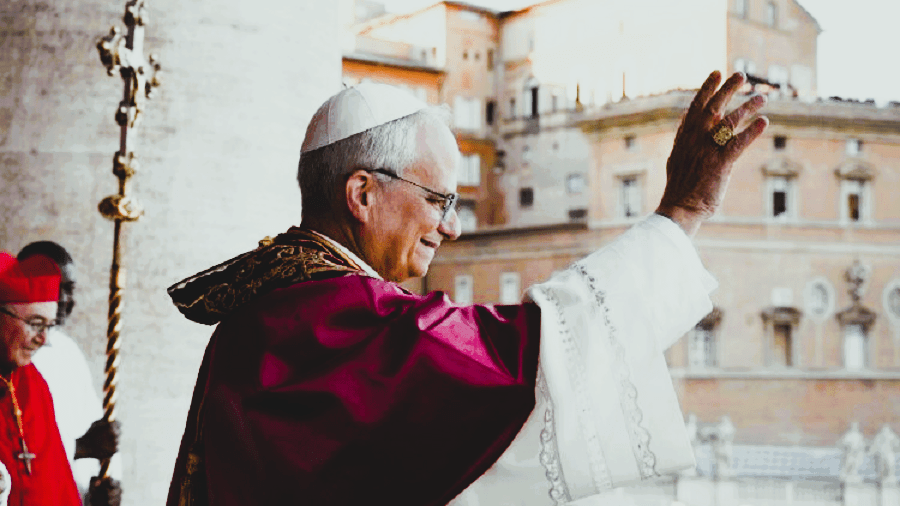
Robert Francis Prevost Elected Pope Leo XIV, Succeeding Pope Francis.
Robert Francis Prevost, a Chicago native, was elected pope by the College of Cardinals on May 8, following a two-day papal conclave. He succeeds Pope Francis, who passed away on April 21 at the age of 88.
At 69 years old, Prevost has chosen the name Leo XIV.
Many observers were surprised by his election, as he was not widely considered among the frontrunners to succeed the progressive and widely admired Pope Francis. Ordained in 1981, Prevost is a member of the Order of Saint Augustine.
He earned a bachelor’s degree from Villanova University near Philadelphia, a Master’s Degree from the Catholic Theological Union in Chicago, and a doctorate in canon law.
Continuing a Legacy: Successor to “The People’s Pope”
Prevost follows in the footsteps of Pope Francis, a groundbreaking pontiff known for his progressive stances, commitment to inclusivity, and deep connection with people of all backgrounds and faiths. Often referred to as “the people’s pope,” Francis became a beloved figure outside the religious sphere.
Prevost’s pastoral and administrative experience is extensive. He previously served as pastor of vocations and director of missions for the Augustinian order in Chicago and spent several years in Peru teaching canon law. His roles included parish pastor, diocesan official, seminary instructor, and vicar. He also led the Augustinian order globally for two terms, concluding in 2013.
In 2014, Pope Francis appointed him to an administrative role in Peru, where he became a bishop and later vice president of the Peruvian Bishops’ Conference, serving until 2023.
Most recently, he held the influential role of Prefect of the Dicastery for Bishops, overseeing the selection of bishops worldwide. Pope Francis elevated him to the rank of cardinal in September 2023.
A New Voice from the Vatican
Addressing the faithful in St. Peter’s Square in Italian and Spanish, Pope Leo XIV made history as the first native English speaker to be elected pope.
While similar in tone and philosophy to his predecessor—particularly in areas like care for the environment and outreach to the poor, marginalized, and migrants—Prevost also brings his unique pastoral vision. “The bishop is not supposed to be a little prince sitting in his kingdom,” he has said, signaling a likely continuation of Francis’ hands-on, humble approach.
He has also supported allowing divorced Catholics and those married outside the Church to receive Communion. His stance on LGBTQ+ issues remains less clearly defined.
Reflecting on Francis’ Legacy
Pope Francis, born Jorge Bergoglio in Buenos Aires to Italian immigrant parents, was the first pope from the Americas and the first Jesuit pope. Known for his humility and reformist spirit, he rejected much of the papal pomp, lived in modest accommodations, and drove a Fiat. He worked tirelessly to modernize the 2,000-year-old Church and embrace once-marginalized communities, including LGBTQ+ individuals and divorced Catholics.
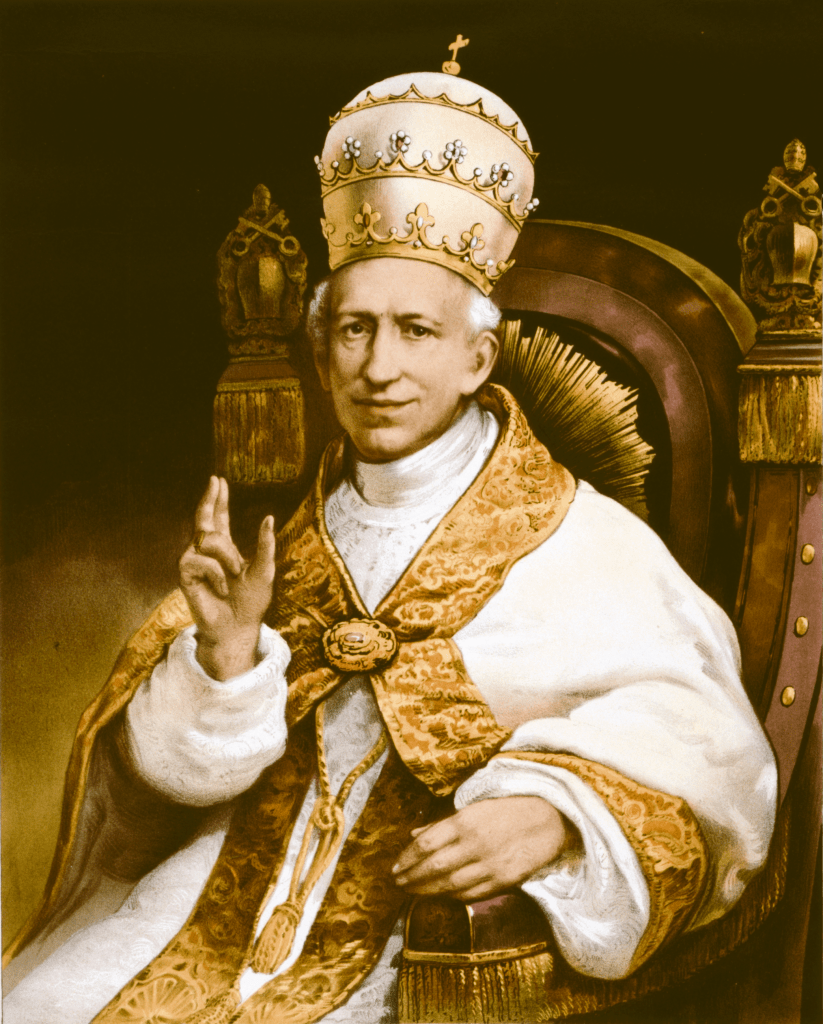
The Previous Pope Leo
Pope Leo XIII: A Bridge Between Tradition and Modernity
Pope Leo XIII, born Vincenzo Gioacchino Pecci in 1810, was the head of the Catholic Church from 1878 until his death in 1903. His papacy marked a significant transitional period for the Church as it navigated the challenges of modernity, industrialization, and secularism. Known for his intellectual depth and diplomatic skill, Leo XIII sought to harmonize traditional Catholic teachings with the evolving social and political landscapes of the 19th century.
One of his most influential contributions was the 1891 encyclical Rerum Novarum, which addressed the rights and conditions of workers. This document laid the foundation for modern Catholic social teaching, emphasizing the dignity of labor, the right to private property, and the responsibilities of employers and the state to support just working conditions. Leo XIII thus positioned the Church as a moral voice in the face of rampant capitalism and socialism.
Beyond social issues, Leo XIII worked to improve relations with secular governments and promoted Thomistic philosophy, encouraging a revival of St. Thomas Aquinas’s teachings. His efforts to reconcile faith with reason and his open engagement with contemporary issues earned him a reputation as a reform-minded yet doctrinally grounded pope.
Pope Leo XIII’s legacy is that of a spiritual leader who steered the Catholic Church into the modern era without abandoning its core principles. His long and thoughtful pontificate helped shape the Church’s response to the contemporary world and continues influencing Catholic thought today.
Sources
Donation
Your readership is what makes my site a success, and I am truly passionate about providing you with valuable content. I have been doing this at no cost and will continue to do so. Your voluntary donation of $2 or more, if you are able, would be a significant contribution to the continuation of my work. However, I fully understand if you’re not in a position to do so. Your support, in any form, is greatly appreciated. Thank you. To donate, click on the credit/debit card icon of the card you will use. If you want to donate more than $2, just add a higher number in the box left from the PayPal link. Your generosity is greatly appreciated. Many thanks.
$2.00
 History of Sorts
Leave a comment