
Johan Marius Nicolaas Heesters (5 December 1903 – 24 December 2011), known professionally as Johannes Heesters, was a Dutch-German stage, television, and film actor, as well as a vocalist and concert performer. His career began in the 1920s and spanned more than eight decades. Remarkably, he continued acting until his death, making him one of the oldest performing entertainers in history; he gave his final performance shortly before passing away at the age of 108.
From the mid-1930s onward, Heesters was active almost exclusively in the German-speaking world, where he rose to fame as a film star during the Nazi era—an association that later sparked controversy in his native Netherlands. Despite this, he remained a popular figure in Germany for many decades.
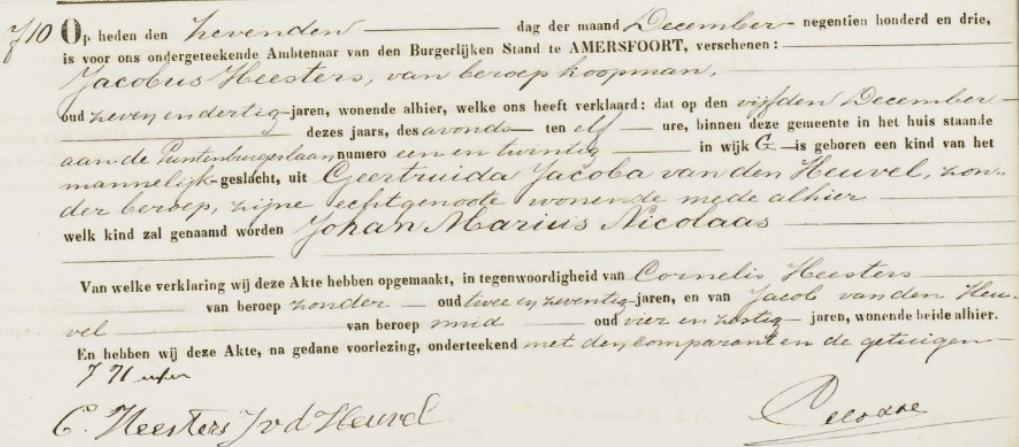
Heesters and the Nazi Era
Johan Heesters, born in 1903 in the Netherlands, moved to Germany in the 1930s and became one of the most celebrated operetta tenors of the time. His charm, voice, and good looks earned him adoration across German-speaking Europe. However, his flourishing career in Nazi Germany—particularly his continued performances for high-ranking Nazi officials, including Adolf Hitler himself—has cast a long shadow over his legacy.
Among the most debated moments of his wartime career was a visit to the Dachau concentration camp on May 21 1941. According to multiple sources, including post-war accounts and archival documentation, Heesters was part of a delegation of performers organized by the Nazi regime, ostensibly for morale-boosting or propaganda purposes. This visit has become a focal point for critics who argue that Heesters was not merely a passive participant in Nazi society, but someone who willingly cooperated with its institutions.
The Dachau Visit in Context
The visit to Dachau is particularly controversial due to what the concentration camp symbolized and later revealed about the Holocaust. Established in 1933, Dachau was the first Nazi concentration camp and became a model for others that followed. By 1941, the camp had already imprisoned thousands of political prisoners, Jews, and other so-called “undesirables” in brutal conditions. Heesters’ presence there, even if for a brief visit and without direct involvement in the atrocities, is deeply troubling to many observers.
Heesters consistently denied knowing the true nature of the camp or being complicit in any crimes. He claimed that the visit was tightly controlled and staged by the SS, and that he was unaware of the horrors occurring behind the scenes. However, this defense has done little to quiet critics who believe that ignorance—especially by someone as connected and visible as Heesters—does not absolve moral responsibility.
Dachau had been in operation since 1933, and its purpose was unmistakable. Just a year earlier, Nazi Germany had invaded the Netherlands—Heesters’ home country. Anyone who willingly aligned themselves with the Nazis, especially when not coerced, should be considered complicit in their crimes—and, by association, morally culpable.
Post-War Legacy and Continued Debate
After World War II, Heesters faced a complicated post-war reception. While he was banned from performing in the Netherlands for many years, he continued to enjoy a successful career in Germany and Austria, where many fans separated his artistic contributions from his wartime associations. He lived to be over 100 years old, performing well into his later years, which prolonged the public conversation about his past.
The debate over Heesters’ visit to Dachau reflects broader challenges in reconciling the legacies of artists who thrived under totalitarian regimes. Can an artist be apolitical in a deeply politicized environment? How should societies remember public figures who may have turned a blind eye to atrocities? Heesters’ case does not offer easy answers, but it highlights the importance of historical accountability, especially for individuals who held positions of influence during dark times.
sources
https://www.dw.com/en/worlds-oldest-actor-dies-aged-108/a-15625695
https://en.wikipedia.org/wiki/Johannes_Heesters
https://www.latimes.com/local/obituaries/la-me-johannes-heesters-20111228-story.html
Please support us so we can continue our important work.
Donation
Your readership is what makes my site a success, and I am truly passionate about providing you with valuable content. I have been doing this at no cost and will continue to do so. Your voluntary donation of $2 or more, if you are able, would be a significant contribution to the continuation of my work. However, I fully understand if you’re not in a position to do so. Your support, in any form, is greatly appreciated. Thank you. To donate, click on the credit/debit card icon of the card you will use. If you want to donate more than $2, just add a higher number in the box left from the PayPal link. Your generosity is greatly appreciated. Many thanks.
$2.00
 History of Sorts
Leave a comment