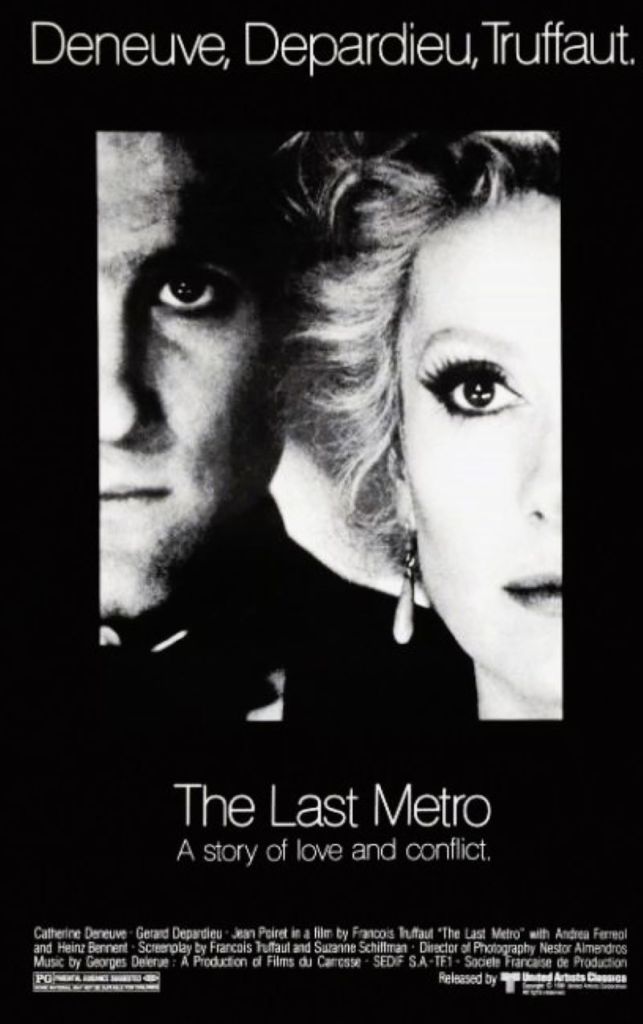
“Le Dernier Métro” (The Last Metro) is a 1980 French film directed by François Truffaut. It is a poignant drama set in Nazi-occupied Paris during World War II. The film captures the struggles of a Jewish theater owner and his wife as they attempt to keep their theater running amidst the horrors of occupation and anti-Semitic persecution.
The film is set in Paris in 1942, during the German occupation of France. The city is under curfew, and the title of the film refers to the last metro (subway) train that people must catch to avoid breaking curfew.
The film did change the actual characters, but the story is that of an Irish-born dancer and her Romanian-Jewish husband during World War II in Paris.
Miss Bluebell, born Margaret Kelly in Dublin, Ireland, on June 24, 1910, was a renowned dancer and choreographer best known for founding the legendary Bluebell Girls dance troupe. Her story is one of resilience, innovation, and remarkable contributions to the world of dance and entertainment.
Margaret Kelly was born on June 24, 1910, in Dublin’s Rotunda Hospital. Her parents left her as a baby with Mary Murphy, a spinster nurse, saying that they would be back for her in three months. They never returned, and Mary Murphy, already caring for two sisters and a brother, moved with her to Liverpool when she was four years old. On the direction of a doctor, Kelly was registered in a dance class to strengthen her frail legs. Quickly, it appeared that she had a great talent. Margaret Kelly was nicknamed “Miss Bluebell” due to her striking blue eyes.
Leaving school at age 14, she became a full-time professional dancer with a Scottish touring troupe, the Hot Jocks, which specialized in tap-dancing routines. For six years (1925–31), she performed with the Jackson Girls, a German-based company of high-kicking precision dancers managed by impresario Alfred Jackson; she danced in Jackson’s resident troupe in the variety revue at the Scala theatre in Berlin and touring troupes in Germany and elsewhere, including the London Coliseum.
In 1932, Kelly founded the Bluebell Girls, a dance troupe that became famous for its precision dancing, elaborate costumes, and stunning performances. The Bluebell Girls were known for their tall, statuesque figures and exceptional dancing skills, setting a new standard in the world of showgirls and cabaret performances.
In 1939, she married Marcel Leibovici, a stateless Romanian Jew, pianist, and composer at the Folies Bergère.
With the German army fast approaching, Marcel and Bluebell joined the exodus from Paris to Bordeaux in June 1940, but they returned to Paris when they failed to secure a passage to the UK. On December 1, 1940, the French police came looking for Bluebell at her flat on Rue Blanche. It was decreed—as a British passport holder—she should be sent to an internment camp in Besançon, even though she was pregnant. However, she was released on New Year’s Eve 1940 after Count O’Kelly de Gallagh of the Irish Legation took up her case and convinced the authorities that Bluebell was Irish and thus neutral.
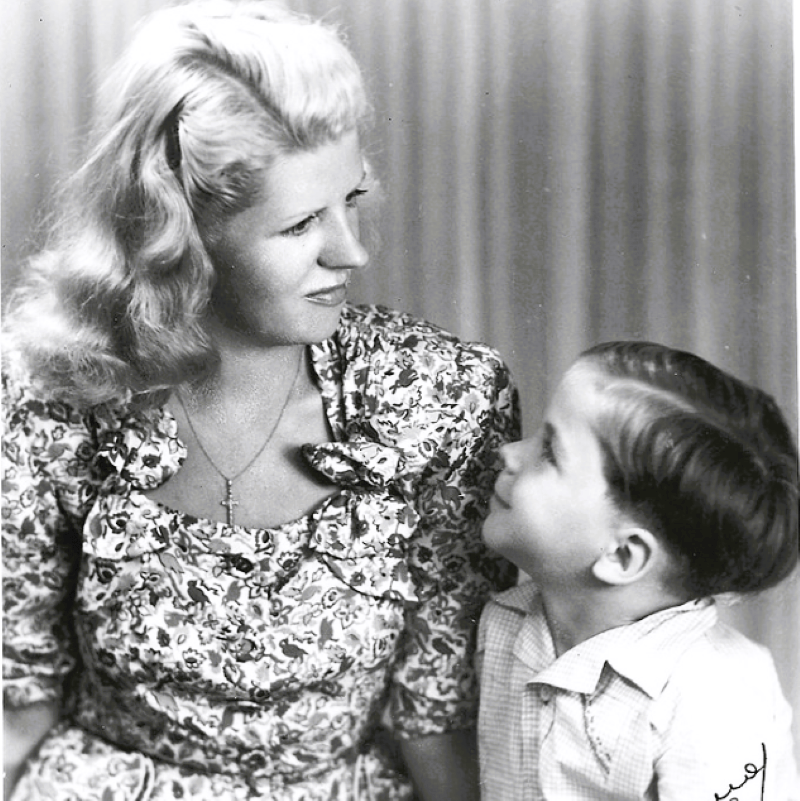
For much of the Occupation, Bluebell produced a show in Chantilly, a small cabaret at 10 rue Fontaine (now Théâtre de la Fontaine, 9th arrondissement), but she refused an offer to perform in Germany.
In 1942, Marcel was arrested and deported to the internment camp of Gurs. The French Resistance helped him flee from Gurs and return to Paris, where his wife hid him opposite the Prefecture of Police building until the Liberation. During this time, Kelly ensured him food and security at the risk of her life. Suspected of protecting her husband, the Gestapo interrogated her, but in spite of intense questioning, Kelly succeeded in not divulging his whereabouts.
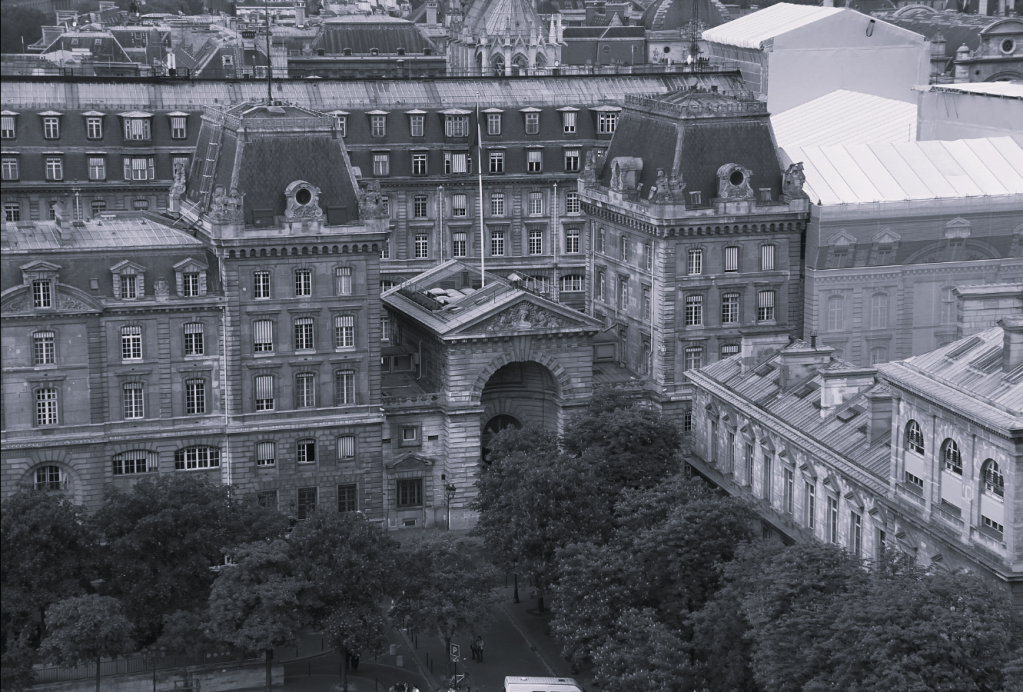
She later learned that the concierge in the building where her husband was hiding had betrayed several other residents. Only the 60 francs a week and the eggs and milk she received regularly from Bluebell stopped her from doing the same with Marcel. But one day, a Jewess who claimed to be “a daughter of Marcel’s aunt” was arrested in the street by plainclothes policemen. Marcel survived the war.
After the war, Margaret rebuilt her troupe and expanded their influence globally. The Bluebell Girls performed in prestigious venues across the world, including the Lido in Paris, which became their home base.
Margaret Kelly’s contribution to the world of dance and cabaret is significant: Kelly introduced new levels of professionalism and artistry to cabaret dance, combining elegance, athleticism, and meticulous choreography. One of her most noteworthy innovations was the introduction of the “topless” dancer in 1970.
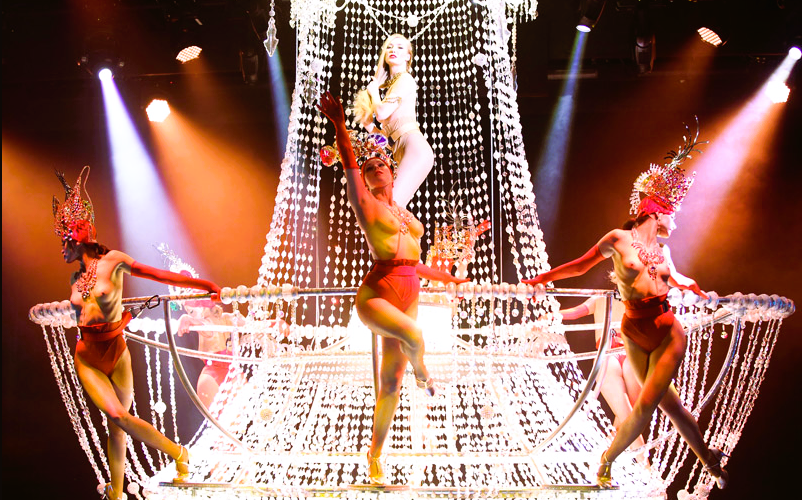
The Bluebell Girls became an international sensation, performing in cities like Las Vegas, Tokyo, and Sydney, bringing the French cabaret style to a global audience.
Kelly’s work paved the way for future generations of dancers and choreographers, influencing the style and presentation of cabaret and revue shows worldwide.
She died on September 11, 2004, at the age of 94.
Sources
https://www.imdb.com/name/nm1212529/?ref_=nmbio_ov
https://www.imdb.com/title/tt0080610/?ref_=nv_sr_srsg_0_tt_8_nm_0_in_0_q_last%2520metro
https://www.irishtimes.com/news/remarkable-life-of-miss-bluebell-1.1108006
https://www.dib.ie/biography/kelly-margaret-miss-bluebell-a9377
Donation
Your readership is what makes my site a success, and I am truly passionate about providing you with valuable content. I have been doing this at no cost and will continue to do so. Your voluntary donation of $2 or more, if you are able, would be a significant contribution to the continuation of my work. However, I fully understand if you’re not in a position to do so. Your support, in any form, is greatly appreciated. Thank you. To donate, click on the credit/debit card icon of the card you will use. If you want to donate more than $2, just add a higher number in the box left from the PayPal link. Your generosity is greatly appreciated. Many thanks.
$2.00


 History of Sorts
Leave a comment