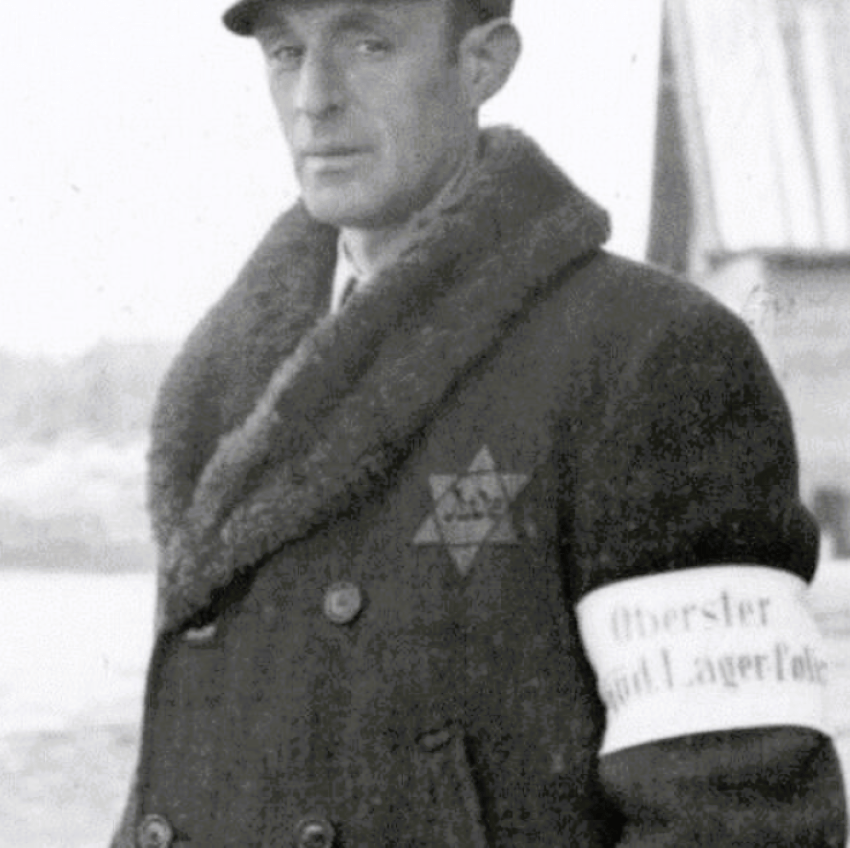
I just want to make it crystal clear at the start that this blog is not meant to judge, nor is it meant for anyone else to use as a tool to pass judgment. The honest truth is that if I had been in that situation, I could easily have been a Kapo myself.
Kapos were prisoners who held positions of authority within Nazi concentration camps, embodying the tragic and complex interplay of power, survival, and moral compromise under the horrific conditions of the Holocaust.
Under a system devised by Theodor Eicke, a brigadier general in the SS, kapos were the Nazis’ way of keeping costs down and outsourcing some of their least desirable work. The underlying threat of violence from both the SS above them and the angry prisoners below brought out the worst in the kapos, and thus the Nazis found a way to get their inmates to torture each other for free.
The term “Kapo” is believed to have originated from the Italian word “capo,” meaning “head” or “chief.” Italians hired for road construction work in Bavaria may have brought the word to the Dachau concentration camp, which was set up in early 1933 and served as a model for all subsequent camps.
Kapos were typically chosen from among the prisoners, and their ranks included criminal and political prisoners. Sometimes, Jewish prisoners were also selected. Kapos were responsible for maintaining order within the barracks, supervising forced labour, distributing food, and carrying out the orders of the SS guards. They had authority over other prisoners and often had to enforce camp rules harshly to maintain their positions and privileges.
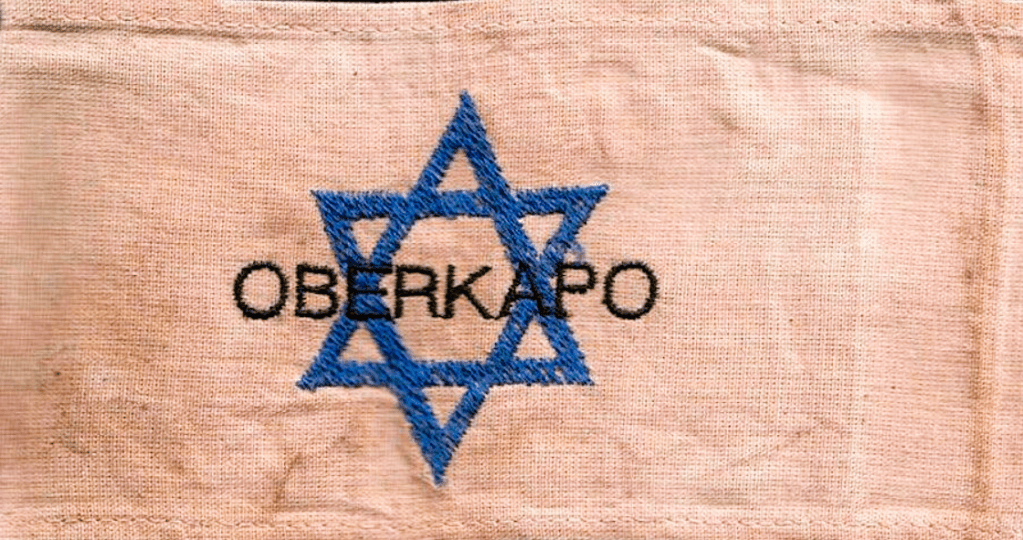
Himmler told the Generals:
“We organised our system of control over these subhumans…One prisoner is the overseer of others, if you like, with the responsibility for 30, 40 or even more than 100 other prisoners…He is responsible for meeting the work target, preventing any sabotage, and seeing they are all clean and that the beds are set up. You soldiers would be pleased with this lot. A new recruit in any army barrack could not be more spick and span.”
Kapos wielded significant power over other prisoners, which could be used to protect or oppress them. The SS guards gave Kapos the authority to punish fellow prisoners, sometimes with lethal force.
In return for their cooperation, Kapos received better living conditions, more food, and protection from the most brutal aspects of camp life. These privileges were a form of coercion, as Kapos often had to choose between their own survival and the welfare of their fellow inmates.
The role of the Kapo is fraught with moral ambiguity. Some Kapos used their positions to help fellow prisoners, while others exploited their power for personal gain or to ensure their own survival. Survivors’ accounts of Kapos vary widely, with some remembering them as saviours and others as oppressors.
The extreme conditions of the concentration camps forced prisoners into impossible moral and ethical decisions. The role of Kapo was one such dilemma, where collaboration was often a means of survival.
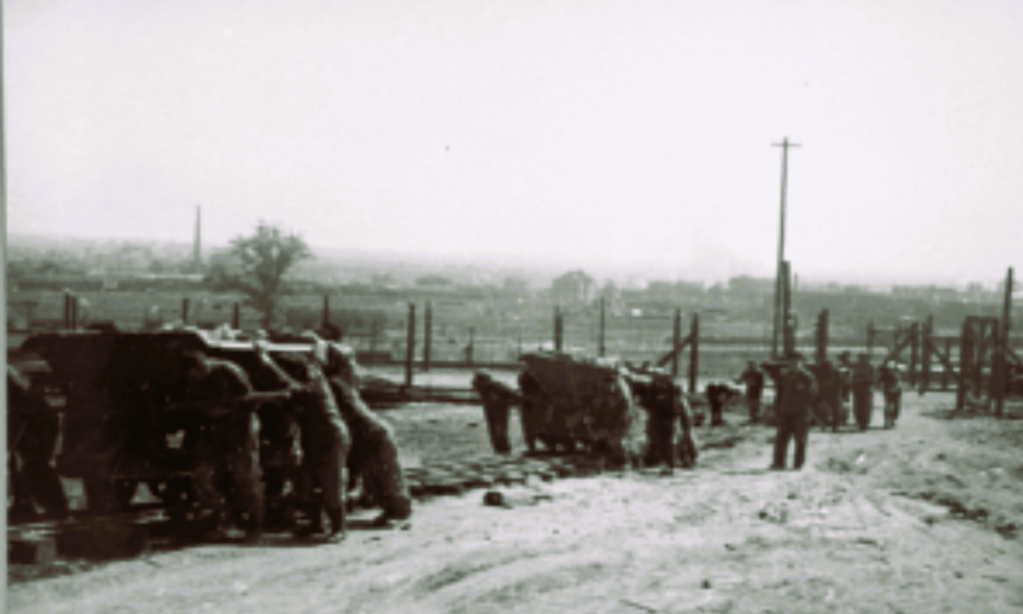
“The moment he becomes a Kapo, he no longer sleeps with them. He is held accountable for the performance of the work, that they are clean, and that the beds are well-built. So, he must drive his men. The moment we become dissatisfied with him, he is no longer Kapo; he’s back to sleeping with his men. And he knows that he will be beaten to death by them the first night.” — Heinrich Himmler, 21 June 1944
Many kapos were subject to reprisals, including mass lynchings, immediately upon the liberation of concentration camps. For example, thousands of prisoners had been transferred from the Mittelbau-Dora camp to the Bergen-Belsen camp in April 1945. While not in good health, these prisoners were in far better condition than those in Bergen-Belsen. Upon the camp’s liberation on 15 April 1945, these prisoners attacked their former overseers. Overall, roughly 170 Kapos were lynched.[30]
During the 1946-47 Stutthof trials in Gdańsk, Poland, in which Stutthof concentration camp personnel were prosecuted, five kapos were found to have used extreme brutality and were sentenced to death. Four of them were executed on 4 July 1946, and one on 10 October 1947. Another was sentenced to three years’ imprisonment, and one was acquitted and released on 29 November 1947.
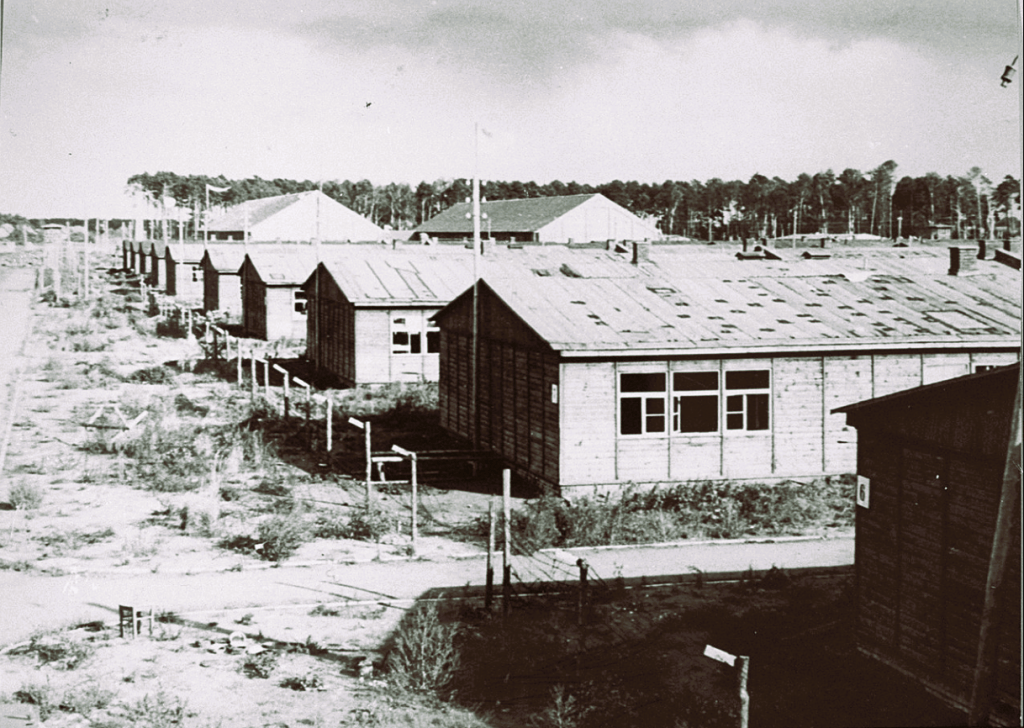
The Israeli Nazis and Nazi Collaborators (Punishment) Law of 1950, most famously used to prosecute Adolf Eichmann in 1961 and Ivan Demjanjuk in 1986, was initially introduced with the principal aim of prosecuting Jewish people who collaborated with the Nazis. Between 1951 and 1964, approximately 40 trials were held, mostly of people alleged to have been kapos. Fifteen trials are known to have resulted in convictions, but scant details are available since the records were sealed in 1995 for a period of 70 years from the trial date. One person – Yehezkel Jungster – was convicted of crimes against humanity, which carried a mandatory death penalty, but the sentence was commuted to two years in prison. Jungster was pardoned in 1952 but died a few days after his release.
As I stated at the outset of this blog, this is not meant to pass judgment because none of us know how we would react. The instinct for survival is very powerful, and people react in different ways to survive.
Primo Levi said: “It is naïve, absurd, and historically false to believe that an infernal system such as National Socialism sanctifies its victims: on the contrary, it degrades them, it makes them resemble itself
Sources
https://time.com/5710303/nazi-collaborator-trials/
https://allthatsinteresting.com/kapos
https://allthatsinteresting.com/kapos
Donation
Your readership is what makes my site a success, and I am truly passionate about providing you with valuable content. I have been doing this at no cost and will continue to do so. Your voluntary donation of $2 or more, if you are able, would be a significant contribution to the continuation of my work. However, I fully understand if you’re not in a position to do so. Your support, in any form, is greatly appreciated. Thank you. To donate, click on the credit/debit card icon of the card you will use. If you want to donate more than $2, just add a higher number in the box left from the PayPal link. Your generosity is greatly appreciated. Many thanks.
$2.00

 History of Sorts
Leave a comment