(originally posted in June 2018)
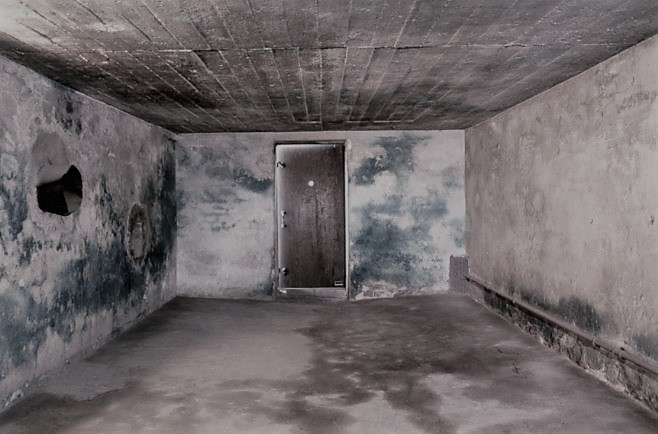
There are so many myths about the gas chambers but let me dispel them. Many still say there were no Gas chambers, but in fact there were.There are eyewitness reports of those who were assigned to remove the bodies from the gas chambers. On top of that there are plenty of Nazi documents and blue prints describing how the gas chambers worked and also how the ventilation worked to clear the gas fumes.
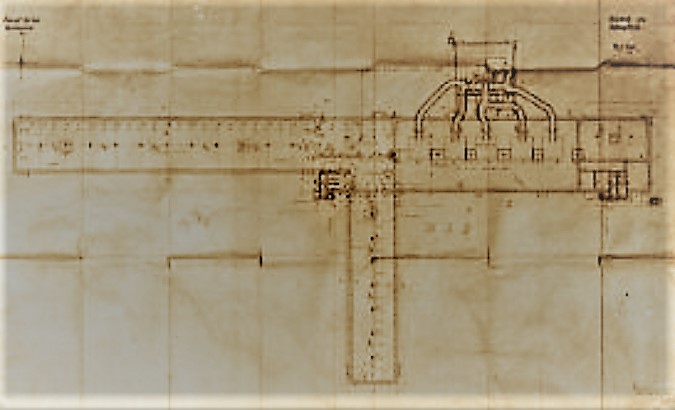
I know there will be people who will react to this blog, trying to convince me that the Gas chambers were a myth, while it is them telling the myth of non existing gas chambers.It is actually a shame that I have to put this in the blog, but such is the situation that holocaust deniers, although it is deemed a criminal offence in many countries, are hardly ever prosecuted.
Another myth is one that was created by the Nazis themselves, according to them and especially this was the most humane way for the extermination. I suppose they said this to reconcile the atrocities with their conscience.
The reason why the gas chambers were the preferred way of mass murder was to lessen the burden on the SS and Wehrmacht. Prior to the gas chambers the victims were executed by firing squads, they even tried dynamite to kill Jews,ethic Polish people and others. This had become a to big of burden on the troops morale, and it just took too long and was to expensive.
It was when Karl Fritzsch started using it on Russian prisoners of war, the Nazis found the perfect weapon of mass destruction.
Some people believe that although it was horrible,at least it was reasonably painless and quick death, but nothing could be further from the truth.
There was a massive variation in relation to the time it took for people to die. It would often depend on the physical strength of a victim and the actual place they were in the gas chamber.
According to Oscar Groening during his trial, it could take sometimes more then 30 minutes for the victims to die. He also said “The brain and heart are attacked first… It begins with a stinging chest and epileptic seizures”
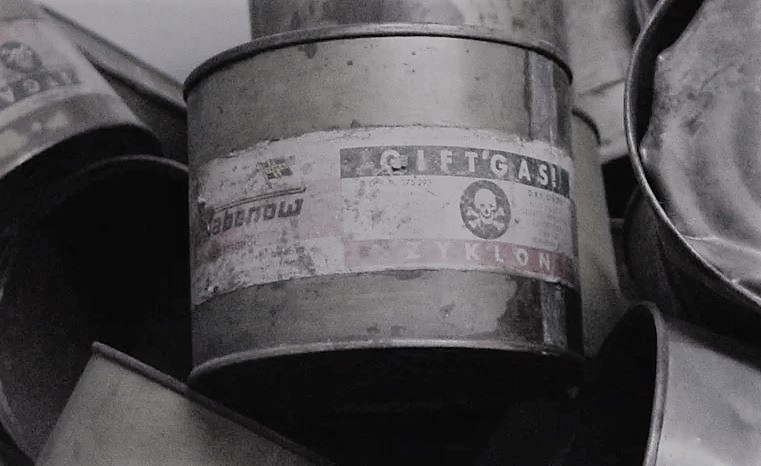
Those standing near the shafts where the Zyklon B was dispatched ,died almost instantly, the old, the sick and young children also died a quicker death.As did those who panicked and screamed. But for those who were reasonably healthy and stood further away from the Zyklon B, the dying could be prolonged for close to half an hour.
Later on they had to become more efficient with the gassing because of the increased transports of victims to the various death camps, the gassing had to be done in 10 minutes. I presume they used higher amounts of Zyklon b to accomplish this.
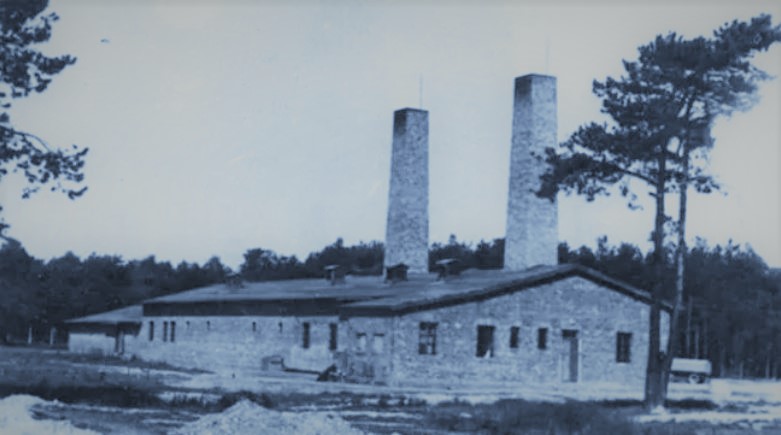
After the Gas chambers were opened ,once the gassing was finished, the bodies were retrieved they would be smeared with excrement, vomit and blood.They were transported to the various crematoria.
I know this may be a very clinical summary of the dying in the gas chambers, but that is the only way I can do it. Once emotion gets involved I actually feel physically sick. That’s why I also understand that some of you might find it hard to read this blog. But I feel it is so important to dispel the myth of the ‘easy’ death in the Gas chambers.
Sources
https://www.thoughtco.com/zyklon-b-gas-chamber-poison-1779688
https://www.mp.pl/auschwitz/journal/english/170050,the-rhythm-of-death-in-the-concentration-camp
Donation
Your readership is what makes my site a success, and I am truly passionate about providing you with valuable content. I have been doing this at no cost and will continue to do so. Your voluntary donation of $2 or more, if you are able, would be a significant contribution to the continuation of my work. However, I fully understand if you’re not in a position to do so. Your support, in any form, is greatly appreciated. Thank you. To donate, click on the credit/debit card icon of the card you will use. If you want to donate more than $2, just add a higher number in the box left from the PayPal link. Your generosity is greatly appreciated. Many thanks.
$2.00
Sources
Holocaust Research Project
 History of Sorts
Leave a comment