(originally published September 21 2023)
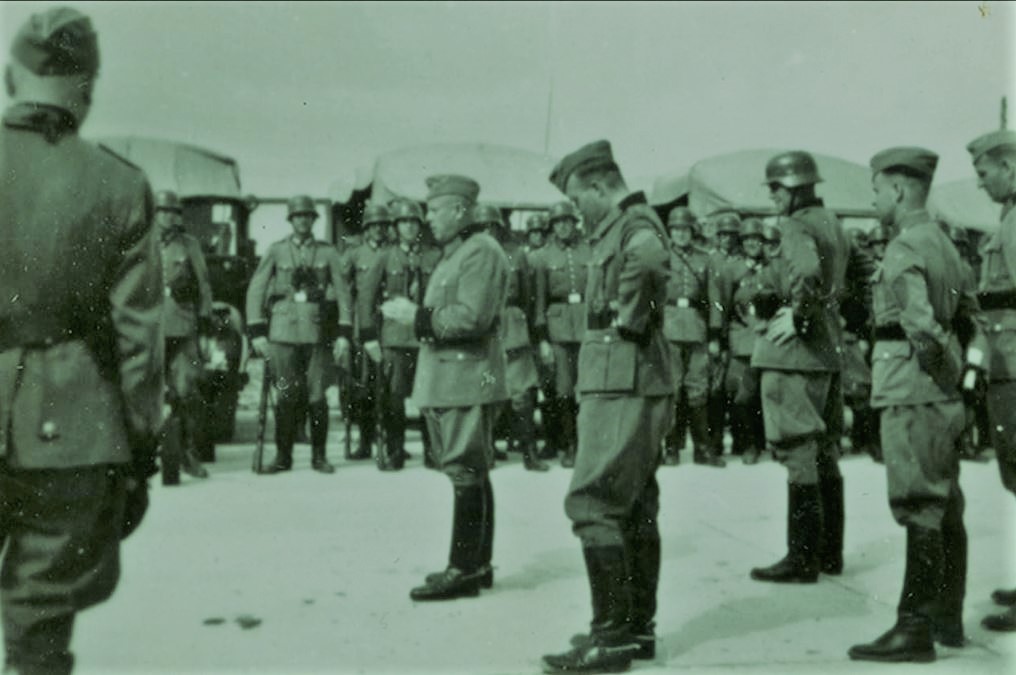
The last two nights, I watched the documentary Ordinary Men—The Forgotten Holocaust (now streaming on Netflix). It is a German documentary film by director Manfred Oldenburg and producer Leopold Hoesch from 2022.
The documentary examines how and why thousands of ordinary Germans participated in mass atrocities as members of Nazi police squads during the Holocaust. They murdered men, women, and children—day after day, at close range, obediently and assiduously, as if it were regular work.
This post, though, is not a review of the documentary—but rather a mirror we can all use. The men involved were all ordinary men—plumbers, bakers, tradesmen, office clerks, etc. Most of them were well-educated, and some held university degrees.
Although they were responsible for the murder of hundreds of thousands, none of them were forced to do it. They were told that if they didn’t want to carry out the murder of men, women and children, they could just walk away. There was no punishment waiting for them. Instead, they were given kitchen duties or cleaning latrines.
Only a few refused to carry out the order. Did this make those heroes? Not necessarily—although they didn’t partake in the murders, they didn’t do anything to stop it.
So why did the majority become hardened murderers? After the first mass murder, most of them became physically sick, but the more mass murders they did, the easier it became. There was pressure put on them. There was no pressure by physical force, but instead socially. The narrative was that the order to murder had to be carried out. However, those who didn’t want to do it could walk away, but that meant that the burden would fall on the shoulders of their colleagues. There was enormous peer pressure, and although there was no real punishment, the ones who refused were mocked and called cowards. Given they were hundreds of miles away from home, away from family and friends, it meant that the only social contact they had was their unit.
Mankind is often conditioned to follow instructions and orders from those in authority ever since human beings have been around.
When watching the documentary, I wondered what would I have done? The honest answer is, I don’t know. I assume I would have walked away and maybe even protested, but—I am just not sure. The fact is that anyone can be turned into a murderer, given the right (or rather wrong) circumstances and conditions. It doesn’t always need force or a threat of violence.
I know people will say, “I would never kill,” but you never know what you are capable of until you are put in that situation. This goes also for doing good or courageous things. Sometimes, people do courageous acts they never thought to be possible.
I hope I am never put in that situation.
There is a thin line between love and hate. There is equally a thin line between good and evil.
source
https://www.imdb.com/title/tt17424334/
Donation
Your readership is what makes my site a success, and I am truly passionate about providing you with valuable content. I have been doing this at no cost and will continue to do so. Your voluntary donation of $2 or more, if you are able, would be a significant contribution to the continuation of my work. However, I fully understand if you’re not in a position to do so. Your support, in any form, is greatly appreciated. Thank you. To donate, click on the credit/debit card icon of the card you will use. If you want to donate more than $2, just add a higher number in the box left from the PayPal link. Your generosity is greatly appreciated. Many thanks.
$2.00


 History of Sorts
Leave a comment