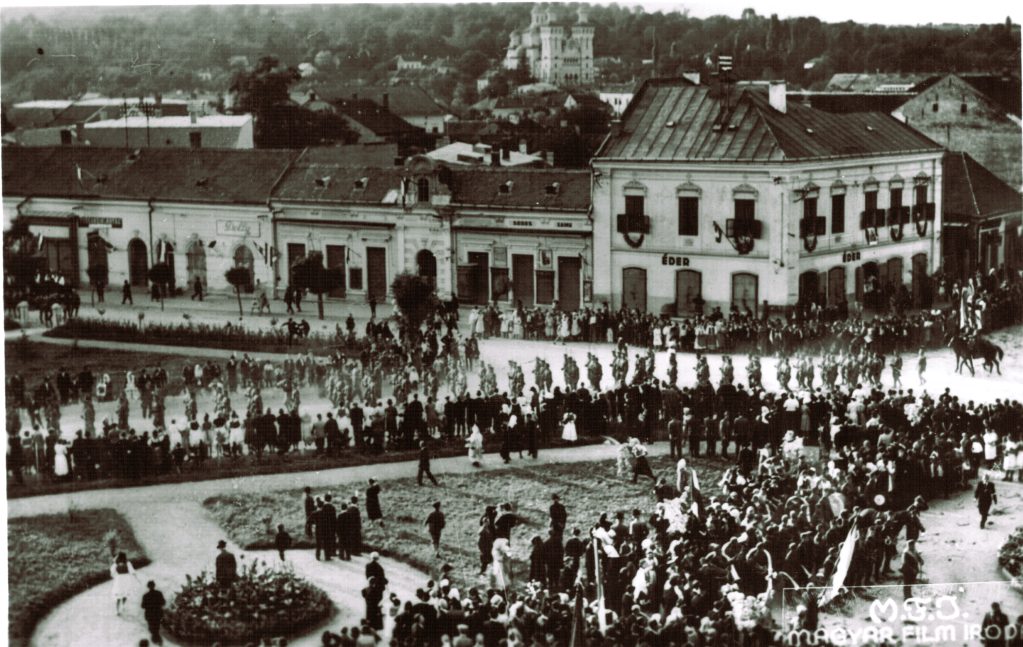
History is not only shaped by great victories, cultural flourishing, or moments of unity; it is equally defined by the tragedies that scar communities for generations. One such tragedy is the Treznea Massacre, an atrocity committed on September 9, 1940, in the village of Treznea (Hungarian: Ördögkút), in Sălaj County, Transylvania. This event remains one of the most painful symbols of ethnic violence during a period of upheaval in Central and Eastern Europe.
Historical Context: The Second Vienna Award
To understand the massacre, one must begin with the geopolitical turmoil of 1940. The outbreak of World War II and the shifting alliances of great powers created an environment of insecurity in Central Europe. Romania, caught between the influence of Nazi Germany and the Soviet Union, was forced into making territorial concessions.
On August 30, 1940, the Second Vienna Award, arbitrated by Germany and Italy, reassigned Northern Transylvania from Romania to Hungary. This decision dramatically reshaped the demographic and political realities of the region. Transylvania had long been home to a mix of ethnic Romanians, Hungarians, Jews, and others, and the sudden change in sovereignty unleashed old grievances and nationalist tensions.
For many Hungarians, the Vienna Award was seen as a correction of the 1920 Treaty of Trianon, which had stripped Hungary of large territories. For Romanians, however, it represented a devastating loss. In this climate of hostility, suspicion, and resentment, local conflicts quickly escalated into violence.
The Massacre in Treznea
On September 9, 1940, just days after Hungarian troops entered the region, the village of Treznea became the site of one of the most infamous atrocities of that time. Hungarian military units, reportedly accompanied by local collaborators, entered the village. Accounts suggest that the violence began under the pretext of reprisals against alleged resistance, though testimonies and later investigations reveal that most victims were innocent civilians.
The troops opened fire on villagers and set houses ablaze. Among the dead were Romanian peasants, children, elderly people, and members of the local Jewish community. Estimates vary, but historical records place the number of victims at over 80 civilians, with some accounts citing even higher numbers. Particularly harrowing are reports of indiscriminate killings: entire families wiped out, bodies left in the streets, and an atmosphere of terror that engulfed the survivors.
The massacre sent shockwaves through the region. It was not an isolated case but part of a broader pattern of ethnic violence in Transylvania during this turbulent period, including similar atrocities in places such as Ip.
Causes and Motivations
Historians have debated the underlying causes of the massacre, but several factors stand out:
Nationalist Hatreds – Centuries of mistrust and rivalry between Hungarian and Romanian communities, exacerbated by the alternating control of Transylvania, created a fertile ground for violence.
Political Manipulation – Both Hungarian and Romanian authorities used nationalist propaganda to portray the other as an existential threat. This demonization facilitated acts of brutality against civilians.
Military Occupation – Hungarian troops, emboldened by the territorial award, often viewed Romanian villagers with suspicion, accusing them of resistance or disloyalty.
Scapegoating of Minorities – The Jewish population, already facing persecution across Europe, was also targeted in Treznea, showing how ethnic and religious hatred intersected with nationalist violence.
Aftermath and Memory
In the years following World War II, the Treznea Massacre became a powerful symbol of suffering for Romanians. During the communist period, the regime emphasized such tragedies as part of its nationalist narrative, presenting them as evidence of Hungarian aggression and martyrdom of the Romanian people. While this framing sometimes oversimplified the complexities of the historical context, it ensured that the memory of Treznea was preserved.
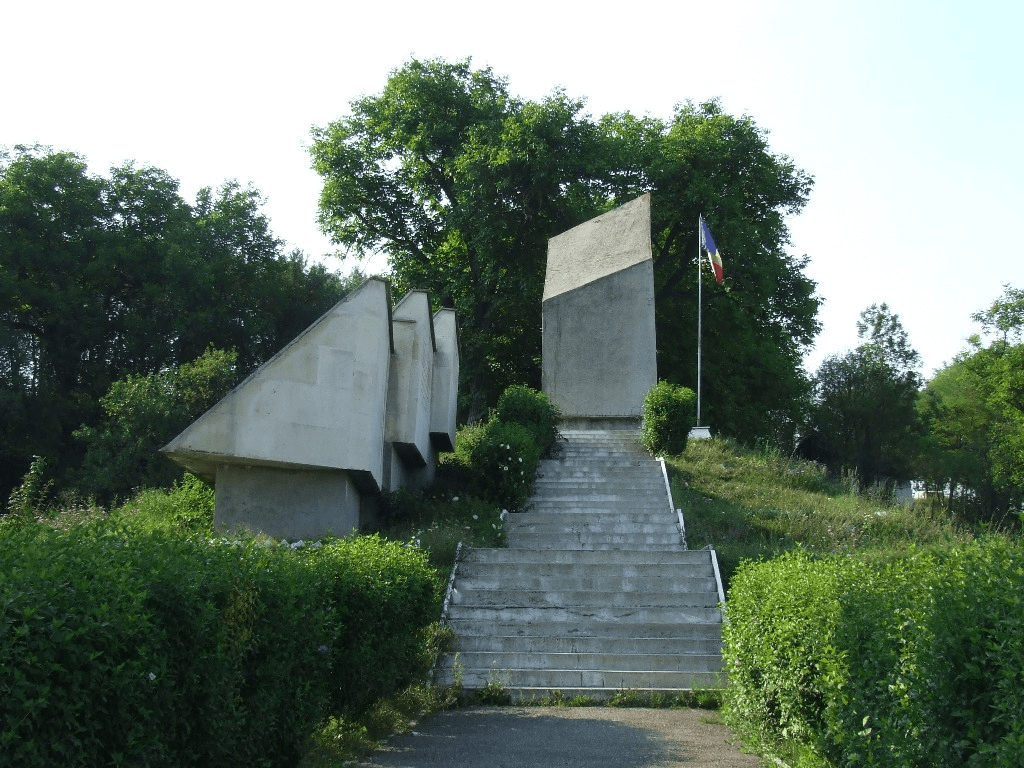
Today, memorials in the village honor the victims, and commemorations are held annually to remember the lives lost. For the local community, the massacre is not just a historical event but a generational trauma, shaping identity and memory to this day.
Lessons from Treznea
The Treznea Massacre reminds us of the destructive potential of nationalism when it is fueled by hatred and political opportunism. It highlights the vulnerability of civilian populations in times of war and territorial disputes, particularly in multi-ethnic regions where tensions can be easily inflamed.
Equally important is the recognition of such tragedies as part of a broader effort to foster reconciliation. Both Romania and Hungary, now members of the European Union, face the ongoing challenge of acknowledging their shared and painful history while building a future based on mutual respect.
The massacre at Treznea is more than a historical footnote; it is a stark reminder of how ordinary people—farmers, children, elderly villagers—can become victims of geopolitical struggles far beyond their control. Remembering Treznea is not only about honoring the dead but also about confronting the darkest impulses of nationalism, ensuring that ethnic hatred and political manipulation never again pave the way for such horrors.
sources
https://adevarul.ro/stiri-locale/zalau/75-de-ani-de-la-masacrul-de-la-treznea-87-de-1650062.html
https://en.wikipedia.org/wiki/Treznea_massacre
https://collections.ushmm.org/search/catalog/irn517752
Donation
Your readership is what makes my site a success, and I am truly passionate about providing you with valuable content. I have been doing this at no cost and will continue to do so. Your voluntary donation of $2 or more, if you are able, would be a significant contribution to the continuation of my work. However, I fully understand if you’re not in a position to do so. Your support, in any form, is greatly appreciated. Thank you. To donate, click on the credit/debit card icon of the card you will use. If you want to donate more than $2, just add a higher number in the box left from the PayPal link. Your generosity is greatly appreciated. Many thanks.
$2.00
 History of Sorts
Leave a comment