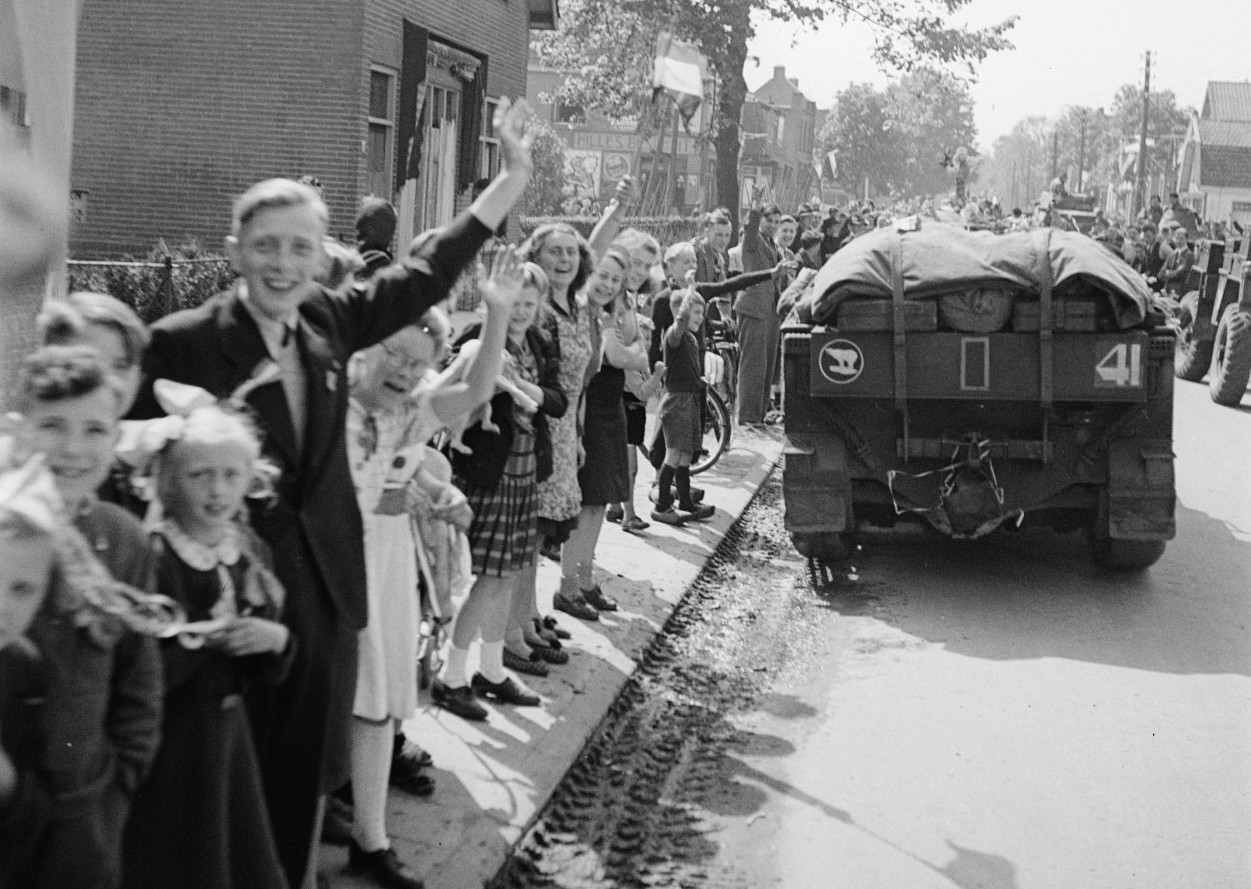
World War II officially ended in 1945, but for many who lived through it, the war never truly ended. The fear it instilled often turned into paranoia and secrecy, rippling across generations and affecting even those born decades later.
This is the story of my connection to World War II.
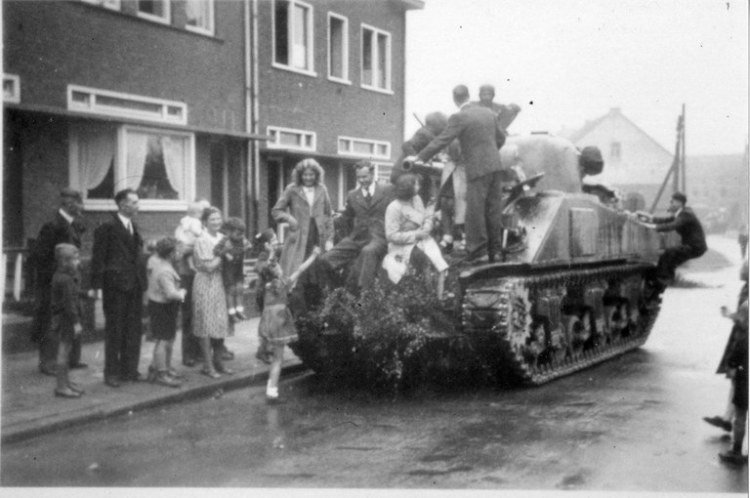
Both my parents were born just a few years before the war began—my mother in 1935 and my father in 1936. They spent a significant part of their childhood in the occupied Netherlands.
The war’s impact was likely greater on my father, as his own father was killed shortly after the conflict began. Due to the secrecy that shrouded those times, I still don’t know exactly how he died. What I do know is that he was killed resisting the occupiers. Whether this was in his capacity as a soldier or as a member of the resistance remains unclear. Even after the war, fear lingered, silencing many stories. My grandmother left to raise 11 children on her own and became a hard and bitter woman—a reaction that, though painful, is perhaps understandable. For my father, this loss meant growing up without a paternal bond.
I have often feared that when I uncover the truth about my grandfather’s death, the answers may not be what I hope for.
On my mother’s side, the war was harsh as well, though not to the same degree as my father’s experience. Yet, she, too, lost family members. I recall stories often shared at family gatherings. One particularly harrowing tale was about my uncle and his cousin stealing food from a local farmer who had collaborated with the Germans. The farmer caught them in the act and alerted the Germans, who pursued them. Desperate, they both jumped into barrels to hide. Tragically, my uncle’s cousin wasn’t fast enough; the soldiers spotted the barrel he hid in and riddled it with machine-gun fire. He died instantly. The Germans, however, never checked the other barrels, and my uncle survived.
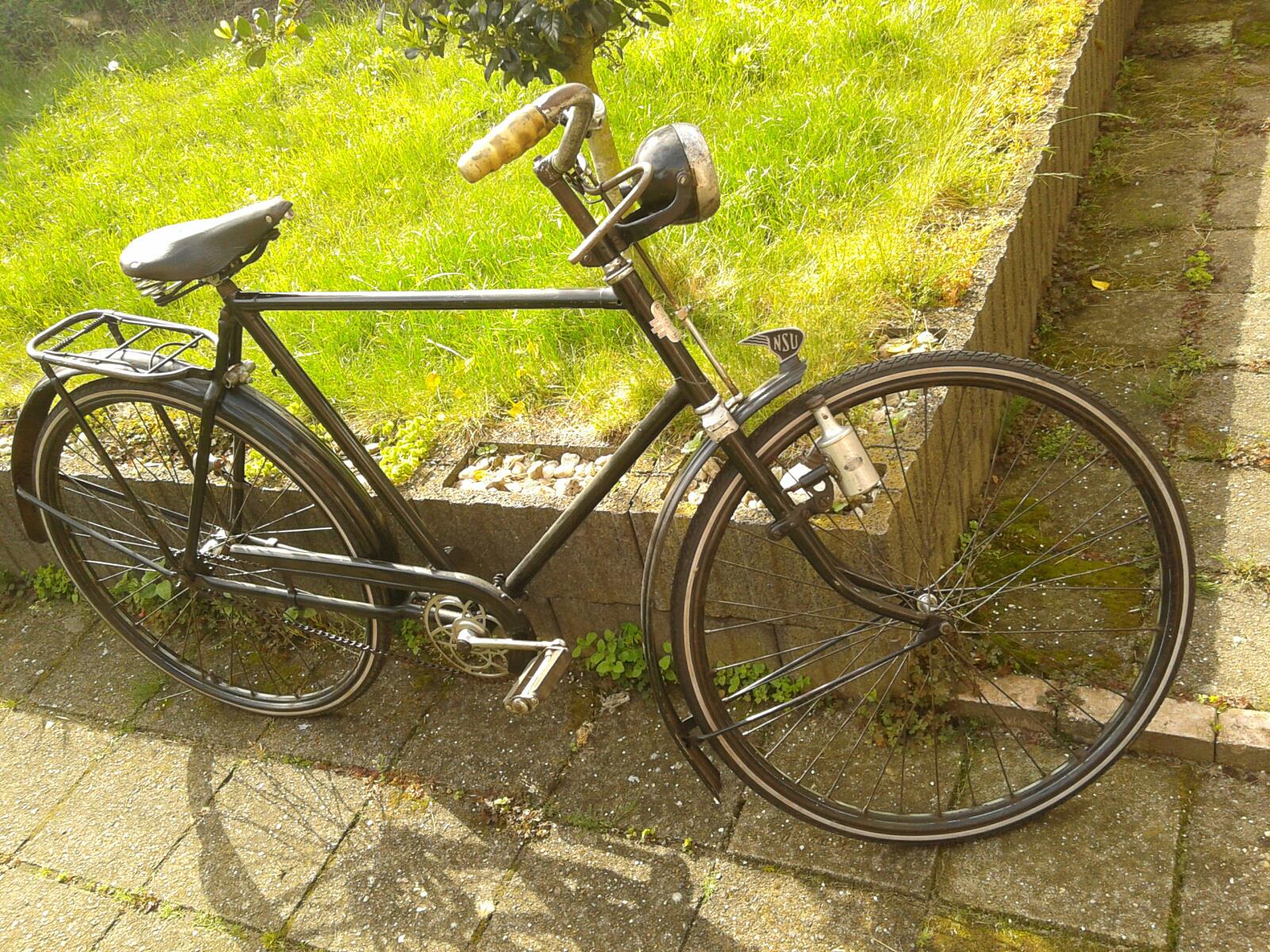
Another memory my mother shared was about the ingenuity her father displayed during the war. When they had no electricity, he rigged a small light to a bicycle dynamo, turning the bike into an exercise generator. By pedaling, he was able to provide light for the family. Despite having 13 children to care for, my grandparents still helped others when they could. One uncle spoke of a Jewish girl my grandmother had helped, though he would not or could not provide details—likely a lingering effect of the pervasive fear and paranoia of those times. Our proximity to the German border, just a few kilometers away, amplified that fear.
The absence of my grandfather in my father’s life had far-reaching consequences. Without a father figure, my father struggled to form that bond with me. My parents divorced when I was nine, and I didn’t see my father for 18 years. As a teenager, I harbored a great deal of resentment toward him. However, by the time I was 27, I had matured and begun to see things in a different light. When my father asked me for forgiveness, it was a transformative moment. A man of his generation asking his son for forgiveness was extraordinary to me, and in that moment, he became a hero in my eyes.
Although I was born decades after World War II, its shadow loomed over my life. I know I am not alone in this—countless others carry similar legacies. While I may never uncover all the answers I seek, I remain determined to recover as much truth as I can, especially about the Holocaust and its devastating impact.

 History of Sorts
Leave a comment