I watched ‘Charité at War’ on Netflix the last few nights. Although I felt that one or two portrayals gave a bit too much credit to some characters, overall, I believe it was a good reflection of the situation in the hospital during the last years of the war.
The show takes place in 1943 at the hospital under the Nazi regime during World War II and shows how the war affected the doctors, nurses, and students at Berlin’s renowned learning hospital. The series uses archival film from the time to set the tone. It has a mix of fictional and real characters.
There are a few subtle nuances that I found quite powerful, but may not have been picked up by everyone watching the show. For example, there is a reference to the mother of one of the doctors not being able to visit Berlin because of a train shortage.
One character in the show, although not a main character, was Dr. Georg Bressau. he was a German pediatrician and university professor. There are many aspects to Dr Bressau’s career. For example, in 1939, he introduced the preventive treatment of rickets with vitamin D in infants.
But there is a much darker side to him, too.
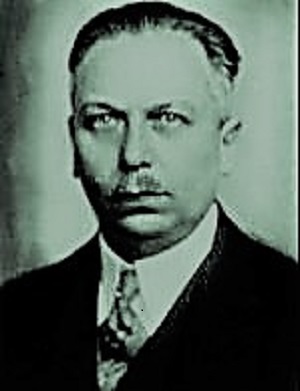
In Berlin, he was continuing following his well-known research into a dead vaccine against tuberculosis. After the Lübeck vaccination accident in 1931, the use of live vaccines was banned.
The incident was a disaster caused by the use of Bacillus Calmette-Guérin (BCG) for tuberculosis vaccination, which struck the German city of Lübeck. During 1929 and 1930, 72 babies died from tuberculosis out of 252 vaccinated. Many other infants were made ill as a result of vaccination. The vaccine used was later found to have been contaminated with a human tuberculosis strain being studied in the same lab where the vaccine was produced.
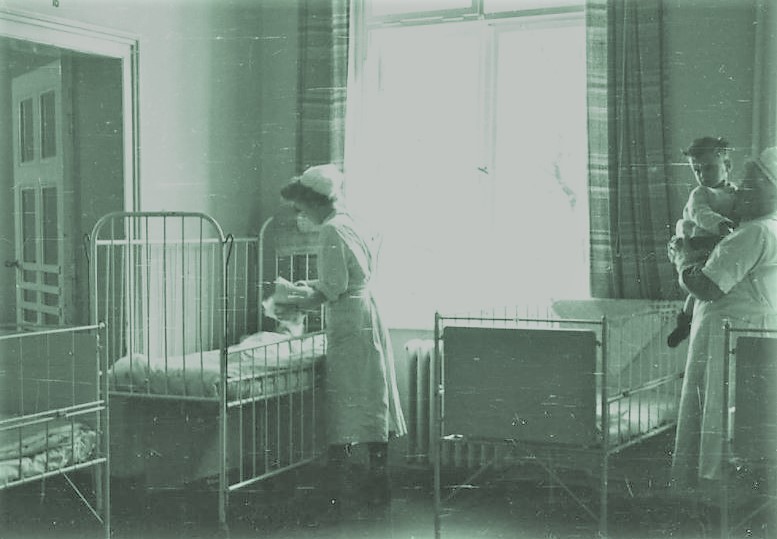
Initially, Bressau conducted animal experiments, and the experimental vaccine showed promising results. However, he then continued doing experiments on humans. For the experiment, Bessau used physically and mentally disabled children from several children’s wards and hospitals. These were institutions that continued to covertly pursue the killing of disabled children after the end of the “T4 action.” In Berlin, it was the children’s psychiatric clinic “Im Wiesengrund” in the Reinickendorf district.
Between 1942 and 1945, 175 children were tortured here. And 81 were murdered. These children were seen as rejects by the state, and therefore, no consent was needed from the parents to experiment on these kids.
The picture at the start of the blog is of the clinic.
Bressau wasn’t the only Doctor carrying out these experiments, but he was one of the most senior ones.
In his honor, the intensive care unit of the children’s clinic at the University of Giessen (now the University Clinic Giessen and Marburg ) was named “Ward Bessau” until a few years ago.
Dr Bressau wasn’t the only Doctor portrayed in the show. Dr Ferdinand Sauerbruch is a prominent figure in the show. Although they do make some sort of reference to him signing some approvals, they don’t mention that he allegedly personally approved the funds which financed August Hirt’s experiments with mustard gas on prisoners at Natzweiler concentration camp from 1941 until 1944.
I do recommend the show, though.
sources
https://research.uni-leipzig.de/catalogus-professorum-lipsiensium/leipzig/Bessau_15/
https://gedenkort.charite.de/en/locations/pediatric_clinic/
http://www.uvm.edu/~lkaelber/children/berlinwittenau/berlinwittenau.html
stc3a4dtische_nervenklinik_fc3bcr_kinder_und_jugendliche_wiesengrund
https://www.historyofvaccines.org/content/tuberculosis-l%C3%BCbeck-disaster
https://www.ncbi.nlm.nih.gov/pmc/articles/PMC4721647/
Donation
Your readership is what makes my site a success, and I am truly passionate about providing you with valuable content. I have been doing this at no cost and will continue to do so. Your voluntary donation of $2 or more, if you are able, would be a significant contribution to the continuation of my work. However, I fully understand if you’re not in a position to do so. Your support, in any form, is greatly appreciated. Thank you. To donate, click on the credit/debit card icon of the card you will use. If you want to donate more than $2, just add a higher number in the box left from the PayPal link. Your generosity is greatly appreciated. Many thanks.
$2.00
 History of Sorts
Leave a comment