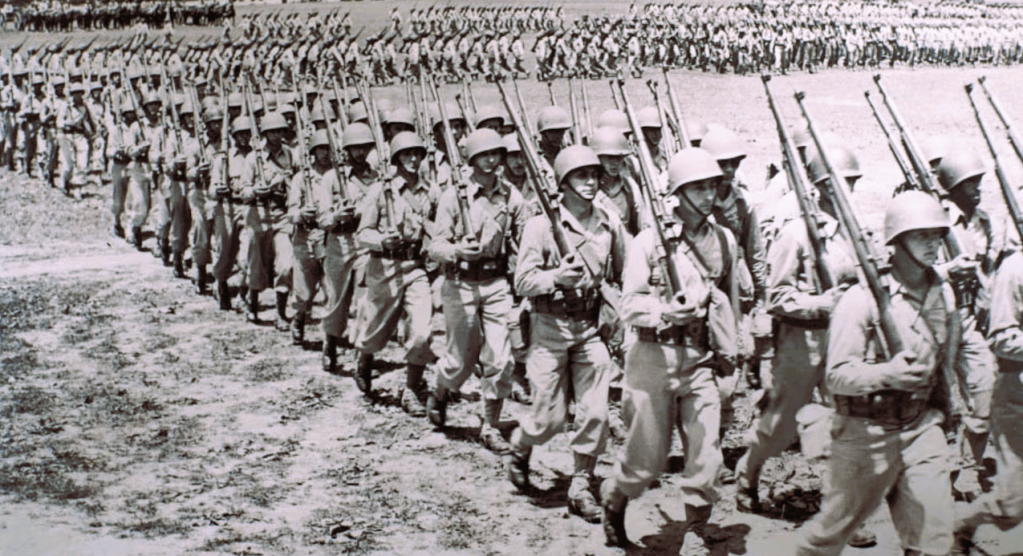
The Ritchie Boys were a group of military intelligence officers and enlisted men of World War II trained at Camp Ritchie in Maryland, USA. Many of them were Jewish refugees who had fled Nazi Germany and other Axis countries. They were primarily recruited from immigrant communities in the United States, particularly those who spoke German, Italian, French, and other European languages fluently. They played a significant role in the Allied war effort, particularly in gathering intelligence and psychological warfare.
At Camp Ritchie, they received specialized training in interrogation, counterintelligence, psychological warfare, and other military intelligence skills. The training was rigorous and comprehensive, preparing them for various intelligence operations. The soldiers were sent for training to Camp Ritchie, Maryland, beginning June 19, 1942, where they trained at the Military Intelligence Training Center — thus their nickname, the Ritchie Boys.
The Ritchie Boys were deployed to Europe and played crucial roles in gathering intelligence from prisoners of war, defectors, and local populations. They provided valuable information that helped the Allies plan and execute military operations. Their knowledge of European languages and cultures was a significant asset. However, they knew what the Nazis would do to them if captured. This knowledge motivated the Ritchie Boys to—eagerly join the fight against Hitler.
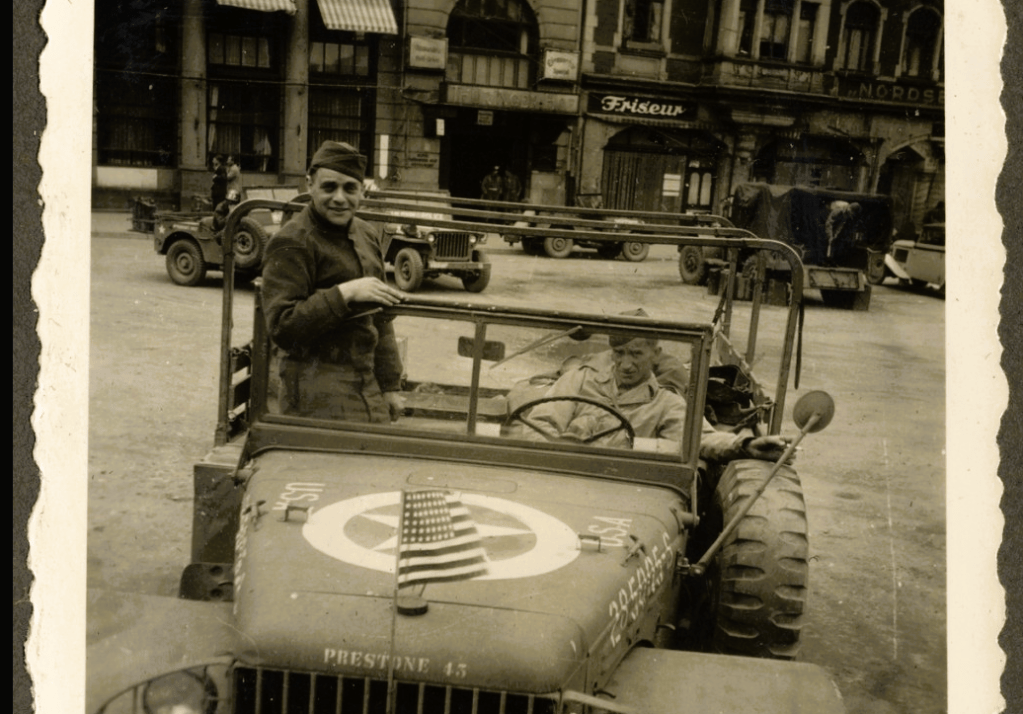
They were also involved in psychological warfare, creating propaganda materials, and conducting operations to demoralize enemy troops and encourage desertion. Their efforts contributed to weakening the resolve of the Axis forces. The intelligence gathered by the Ritchie Boys was instrumental in several criticacl operations, including the D-Day invasion and the Battle of the Bulge. Their work saved countless lives by providing the Allies with crucial information about enemy movements, strategies, and fortifications.
Some faced anti-Semitism from their fellow soldiers. “Most of the guys in basic training were Southerners who hated the Jewish boys from New York and busted our chops most of the time,” said George Sakheim, one of the Ritchie Boys. Another Ritchie Boy recalled in his memoir, “The notion that Jews were cowards who managed to get soft jobs or to stay out of the army altogether, and had pushed America into the war, was not uncommon among the soldiers.”
After the war, many Ritchie Boys continued their careers in intelligence, academia, and other fields.Historians have acknowledged their contributions as a vital part of the Allied victory in World War II. In recent years, their story has gained more public attention through documentaries, books, and other media.
In the postwar period, many of the Ritchie Boys were discouraged by the McCarthyism running rampant in the United States, leading a few to move back to Europe. Hanus Burger, a German-speaking Czech theater director who became a Ritchie Boy after fleeing to the United States in 1939, organized a hunger strike aboard the ship taking troops to England to force the authorities to allow colored GI members of his theater production to eat with the rest of the crew in the onboard mess hall. During the war, he helped run front-line radio stations that broadcast under a false flag to the German population. After working for the United Nations and CBS after the war, Burger, a former Communist, found the atmosphere increasingly uncomfortable.
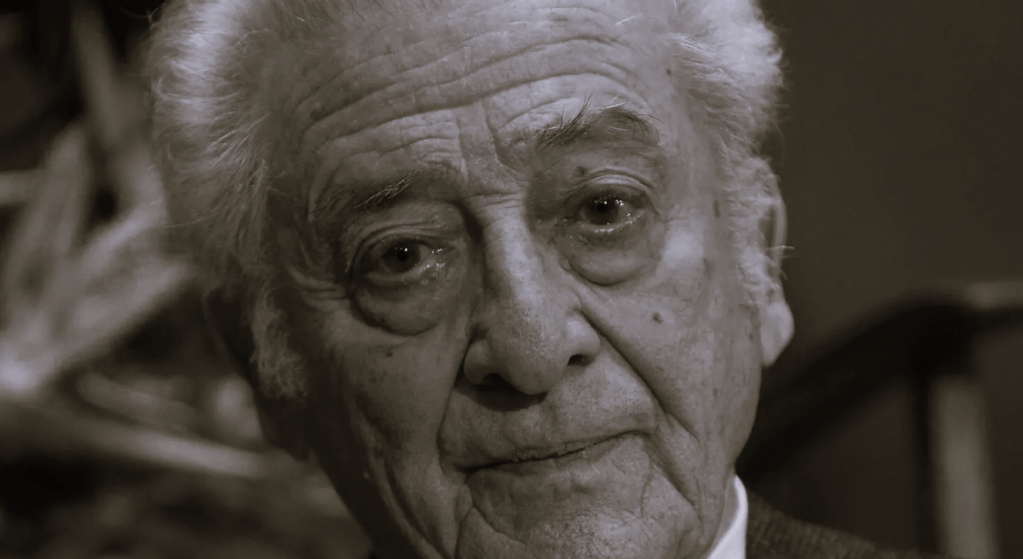
George Sakheim worked as an interpreter during the Nuremberg Trials. His language skills were crucial in translating testimonies and documents, ensuring accurate communication during the trials.
In the interrogations of Nazis like Höss and Hermann Göring, Hitler’s deputy, Mr. Sakheim played a part in confronting them with incriminating evidence, “often in the form of captured wartime documents that they themselves had signed,” he wrote in The Jerusalem Post in 2015.
During his time in Nuremberg, Mr. Sakheim translated German documents into English, interpreted the interrogations of Höss and other Nazi leaders, and provided simultaneous translation of testimony during the trials in Courtroom 600.
At one point during his trial, Höss complained that Mr. Sakheim had not correctly interpreted his words and asked that the court replace him. After the war and trials, he returned to civilian life and pursued a career in psychology. He earned a Ph.D. in clinical psychology and became a practicing psychologist, helping many individuals through his professional work.
George Sakheim died aged 96 on December 5, 2019.
Let us note that many of the Ritchie Boys went on to have successful civilian careers, including J.D. Salinger, author of the classic book The Catcher in the Rye.
Sources
https://encyclopedia.ushmm.org/content/en/article/ritchie-boys
https://www.history.com/news/ritchie-boys-wwii-jewish-refugees-military-intelligence
Donation
Your readership is what makes my site a success, and I am truly passionate about providing you with valuable content. I have been doing this at no cost and will continue to do so. Your voluntary donation of $2 or more, if you are able, would be a significant contribution to the continuation of my work. However, I fully understand if you’re not in a position to do so. Your support, in any form, is greatly appreciated. Thank you. To donate, click on the credit/debit card icon of the card you will use. If you want to donate more than $2, just add a higher number in the box left from the PayPal link. Your generosity is greatly appreciated. Many thanks.
$2.00
 History of Sorts
Leave a comment