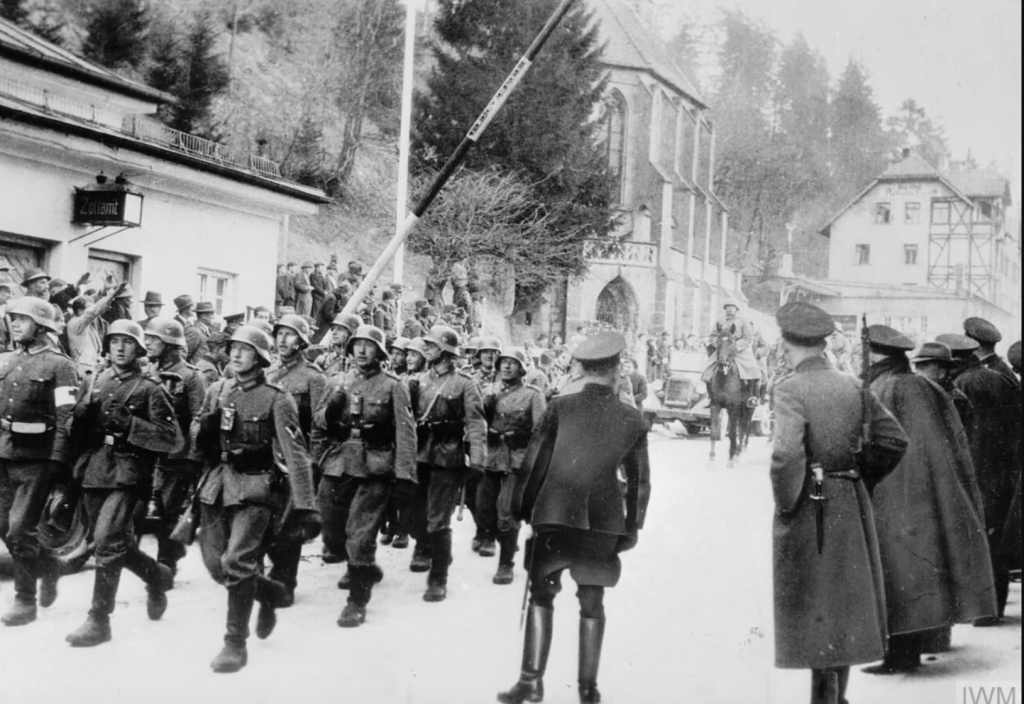
On March 12, 1938, Nazi Germany annexed the neighboring country of Austria (Österreich). This event became known as the Anschluss. The German term Anschluss means “connection” or “joining.” By annexing Austria, Nazi Germany violated both the Treaty of Versailles and the Treaty of Saint‑Germain‑en‑Laye, which explicitly prohibited the unification of Germany and Austria. The Anschluss demonstrated the Nazi regime’s disregard for the post–World War I European settlement and marked the first major act of territorial expansion by Nazi Germany.
The origins of the Anschluss can be traced to the end of World War I and the Treaty of Versailles, which imposed strict political, territorial, and military limitations on Germany. These conditions created widespread resentment among many Germans, including those living in Austria. The rise of the Nazi Party in Germany, led by Adolf Hitler, intensified these sentiments. Hitler regarded Austria as a crucial component of his vision of a Greater Germany (Grossdeutschland), a state that would unite all German-speaking peoples and territories under a single regime.
Foreign Reaction
France
In March 1938, French politics were in turmoil. Just two days before Germany invaded Austria, the entire French government had resigned, leaving France unable to mount any effective opposition to the Anschluss.
Britain
Britain faced its own political challenges at the same time. Anthony Eden, the Foreign Secretary, had resigned over Prime Minister Neville Chamberlain’s decision to negotiate with the fascist dictator Benito Mussolini of Italy. With Chamberlain committed to a policy of appeasement toward Hitler, there was little political will to resist Germany.
Public opinion in Britain also discouraged confrontation. Many Britons feared another European war, and because both Germany and Austria were German-speaking nations, there was a widespread perception that unification was natural and not a direct threat to Britain.
However, anti-appeasement voices, notably Winston Churchill, were alarmed by the annexation. They argued that, even if Hitler had a claim to Austria, it should have been pursued through diplomacy rather than military force, warning that this aggressive precedent could threaten European stability.
The idea of an Anschluss—a union of Austria and Germany to form a “Greater Germany”—emerged after the 1871 unification of Germany, which excluded Austria and German-speaking Austrians from the Prussian-led German Empire. Support for unification grew further after the collapse of the Austro-Hungarian Empire in 1918. The newly formed Republic of German-Austria sought to unite with Germany, but both the Treaty of Saint-Germain-en-Laye (1919) and the Treaty of Versailles explicitly forbade this union and prohibited Austria from continuing to use the name “German-Austria” (Deutschösterreich). The treaties also stripped Austria of significant territories, such as the Sudetenland, leaving the country economically weakened and politically fragmented.
By the 1920s, the idea of Anschluss had considerable support in both Austria and Germany, particularly among citizens on the political left and center. Prominent Social Democrat Otto Bauer, who served as Austria’s Foreign Minister from 21 November 1918 to 26 July 1919, was one of the movement’s most outspoken advocates. Support for unification was largely driven by the belief that Austria, deprived of its imperial lands, was economically unviable on its own. Although popular enthusiasm waned over time, the concept of Anschluss remained a persistent element of Austrian political discourse.
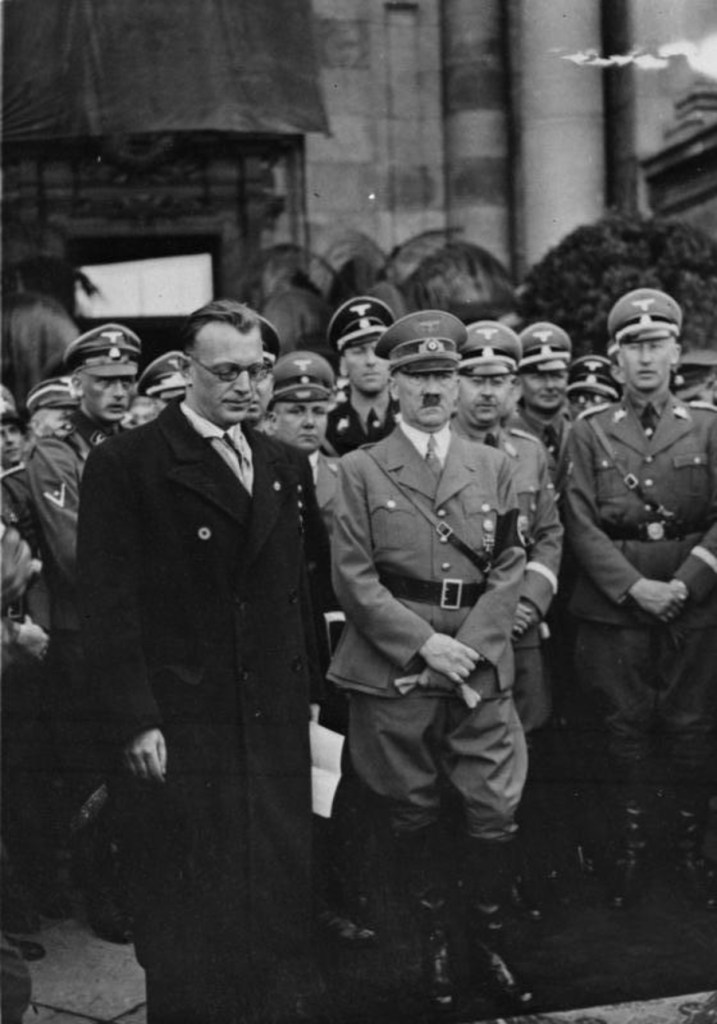
The political landscape shifted dramatically on 30 January 1933, when Adolf Hitler became chancellor of Germany. From that point, the push for Austrian unification became closely associated with the Nazi regime. It formed a key component of the Nazi Heim ins Reich (“back home to the realm”) policy, which sought to bring ethnic Germans (Volksdeutsche) outside Germany into a Greater Germany. Nazi agents actively promoted pro-unification sentiment in Austria and worked to undermine the Austrian government, which was dominated by the anti-unification Fatherland Front. In July 1934, Austrian Nazis assassinated Chancellor Engelbert Dollfuss during a failed coup. The coup’s failure forced many leading Austrian Nazis into exile in Germany, where they continued their campaign for unification.
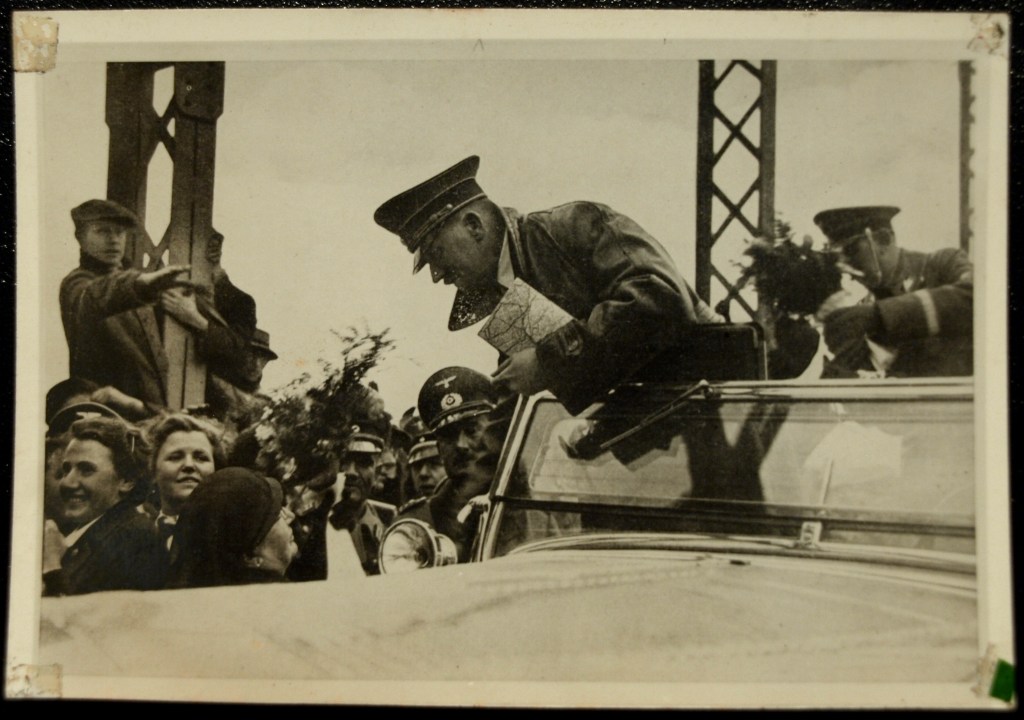
On 5 November 1937, Hitler informed his military aides of his plan to annex Austria and Czechoslovakia. The pressure on Austria escalated on 12 February 1938, when Chancellor Kurt Schuschnigg met Hitler in Berchtesgaden and was presented with an ultimatum: he had to appoint Arthur Seyss-Inquart as minister of the interior and security. On 9 March, Schuschnigg announced a planned referendum for 13 March to determine whether Austria would maintain its sovereignty or unite with Germany. However, Hitler and the Nazis refused to allow the referendum and demanded a cabinet under Seyss-Inquart. Facing the threat of German military invasion, Schuschnigg resigned. On 12 March 1938, German troops crossed into Austria unopposed. A plebiscite was later held on 10 April, officially reporting 99.7% approval for the union with Germany.
The campaign against Jews began immediately after the Anschluss. In Vienna, Jewish residents were forced through the streets, and their homes and businesses were looted. These attacks escalated to the infamous Kristallnacht pogrom on 9–10 November 1938, during which all synagogues and prayer houses in Vienna were destroyed. Over 6,000 Jews were arrested overnight, with the majority deported to Dachau concentration camp in the days that followed.
Following the defeat of Nazi Germany, Austria was declared independent by the Allied powers on 27 April 1945.
sources
https://en.wikipedia.org/wiki/Anschluss
https://encyclopedia.ushmm.org/content/en/article/nazi-territorial-aggression-the-anschluss
https://www.worldhistory.org/image/19586/german-troops-crossing-the-austrian-border-1938/
https://www.bbc.co.uk/bitesize/guides/z92hw6f/revision/3

 History of Sorts
Leave a comment