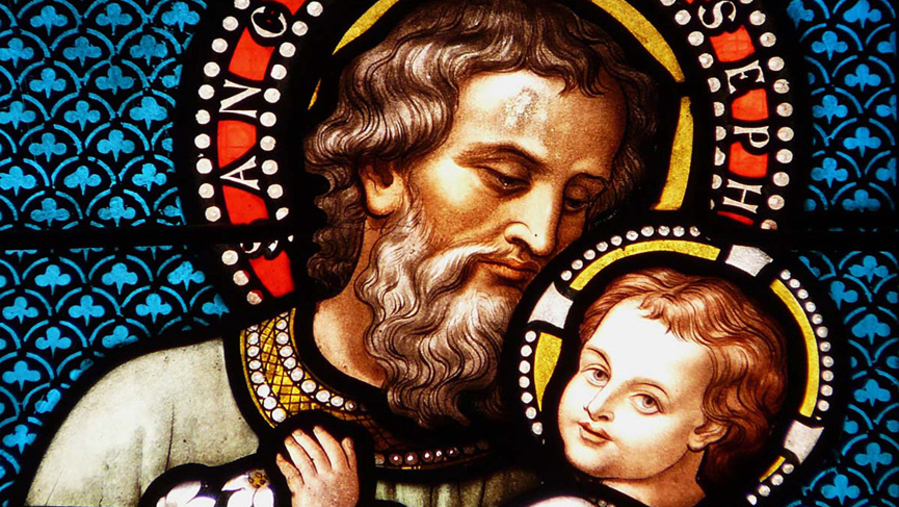
Saint Joseph’s Day—also known as the Feast or Solemnity of Saint Joseph—is the principal feast in Western Christianity honoring Saint Joseph, the husband of the Virgin Mary and the legal father of Jesus Christ. It is celebrated on 19 March.
Saint Joseph is one of the most quietly influential figures in Christian tradition. Though he speaks no recorded words in the Bible, his actions and character have made him a powerful symbol of faith, humility, and responsibility. As the earthly father of Jesus and the husband of Mary, Joseph occupies a unique and deeply respected role, particularly within Catholic, Orthodox, and many Protestant traditions.
Joseph is introduced in the Gospels of Gospel of Matthew and Gospel of Luke as a carpenter from Nazareth. He is described as a “righteous man,” a term that reflects both his adherence to religious law and his moral integrity. When he learns that Mary is pregnant before they live together, Joseph initially plans to separate from her quietly to avoid public shame. However, after receiving a divine message in a dream, he chooses to trust in God’s plan and takes Mary as his wife. This moment is central to understanding Joseph: he acts not out of impulse, but out of thoughtful obedience and faith.
Joseph’s role continues to unfold during the early life of Jesus. He is the protector of his family, leading them to Bethlehem for the census, witnessing Jesus’ birth, and later fleeing with Mary and the child to Egypt to escape the threat from Herod the Great. These actions portray Joseph as a figure of courage and decisiveness. He responds to danger not with hesitation, but with immediate and practical action, ensuring the safety of those entrusted to him.
Another defining aspect of Joseph’s life is his work. As a carpenter, he represents the dignity of labor and the value of providing for one’s family through honest means. In Christian thought, Joseph is often seen as the patron saint of workers, embodying the idea that everyday labor can have spiritual significance. His life suggests that holiness is not confined to extraordinary acts, but can be found in daily responsibilities carried out with care and devotion.
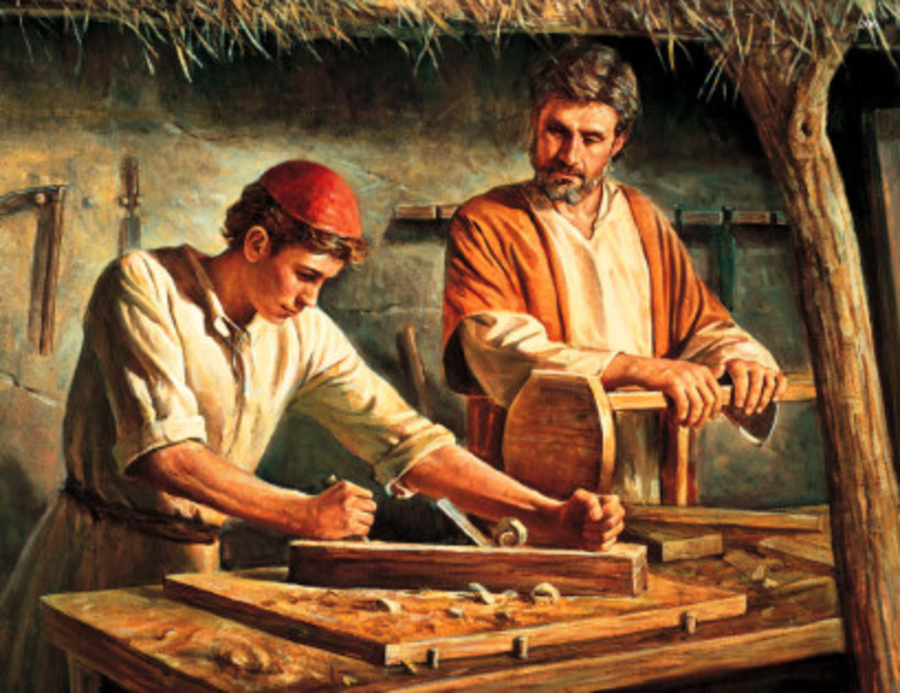
Despite his importance, Joseph remains a humble and largely silent figure. This silence is not emptiness but depth—it reflects a man who leads through action rather than words. His influence on Jesus, though not explicitly detailed in scripture, is understood to be profound. As a father figure, he would have shaped Jesus’ early understanding of faith, work, and community.
Over time, devotion to Saint Joseph has grown significantly. He is honored in various traditions, most notably on March 19, celebrated as the Feast of Saint Joseph. In many cultures, he is seen as a model of fatherhood, a protector of families, and a guide for those seeking to live a life of quiet integrity.
In conclusion, Saint Joseph stands as a powerful example of strength expressed through humility. His life demonstrates that true leadership often involves sacrifice, trust, and steadfast commitment to others. Though he remains in the background of the Gospel narratives, his presence is foundational—supporting, protecting, and nurturing the beginnings of a story that would shape the course of history.
sources

 History of Sorts
Leave a comment