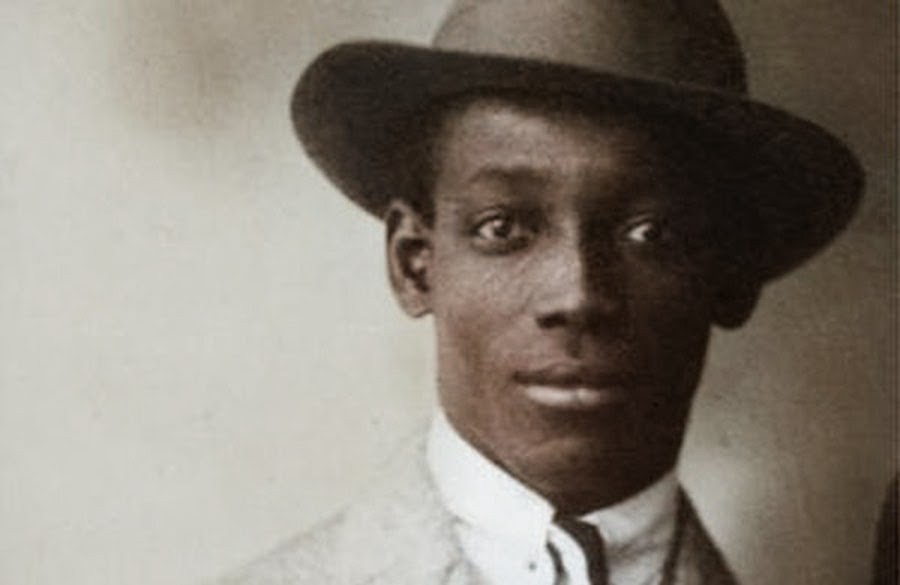
Like the British, French, and Portuguese, the Dutch were a global colonial power for centuries—a legacy that remains visible across the world today. One such colony was Suriname, a South American nation nestled between Guyana (formerly British Guiana) and French Guiana. Though small in the context of the continent, it is significantly larger than the Netherlands itself.
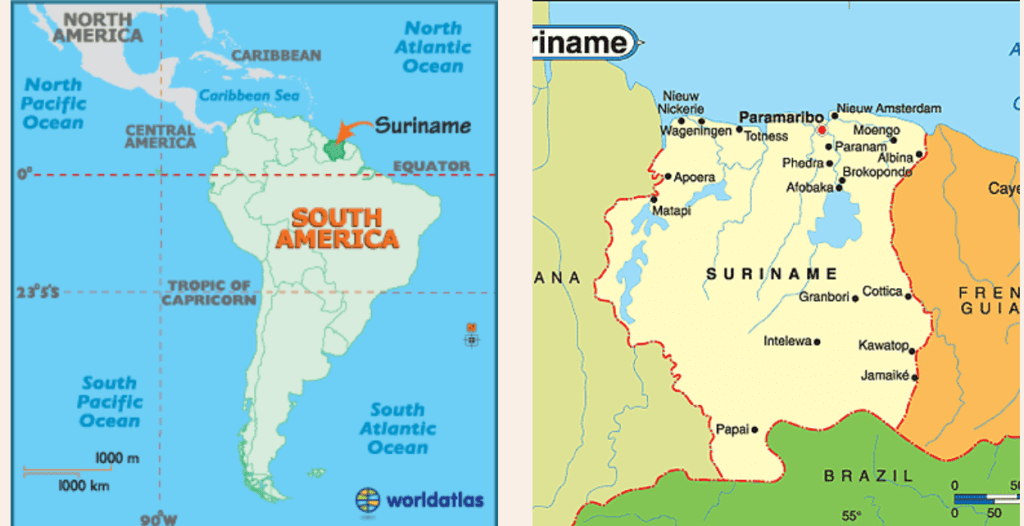
A historical reality often overlooked or minimized by Dutch historians is the Netherlands’ role as one of the world’s most prolific slave traders. In Suriname, enslaved people were exploited by wealthy colonial occupiers until July 1, 1863, when the Dutch finally abolished slavery, trailing behind several other European powers.
Early Life and Education
Cornelis Gerhard Anton de Kom was born on February 22, 1898, in Paramaribo, Suriname. He was the son of Adolf de Kom and Judith Jacoba Dulder. His father had been born into slavery; the family name, “de Kom,” is a poignant reversal of “Mok,” the surname of their former enslaver.
Despite the systemic barriers of the era, De Kom completed his primary and secondary education, earning a diploma in bookkeeping. After working for the Balata Compagnieën in Suriname and Guyana, he moved to Haiti in 1920 to work for the Societé Commerciale Hollandaise Transatlantique. By 1921, he had departed for the Netherlands.
Political Awakening in the Netherlands
In the Netherlands, De Kom’s life took a multifaceted turn:
Military Service: He volunteered for one year with the Huzaren, a Dutch cavalry regiment.
Professional Life: He worked as a consultant and later as a sales representative for coffee, tea, and tobacco. During this time, he met his future wife, Nel Borsboom.
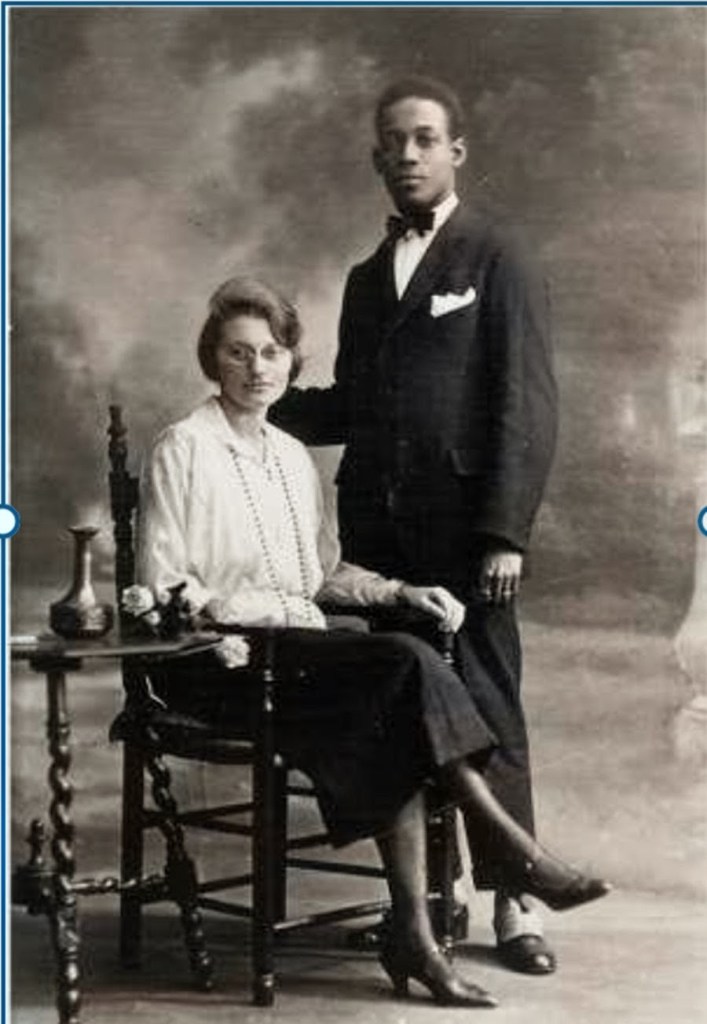
Activism: De Kom became deeply embedded in left-wing politics, collaborating with nationalist Indonesian student associations and the socialist group Links Richten (Aim Left).
Return to Suriname and Exile
De Kom returned to Suriname with his family in early 1933. Under the constant surveillance of colonial authorities, he opened a consultancy in his parents’ home to help citizens protest the abysmal living conditions under colonial rule. Fearing he would incite a revolution, the authorities moved quickly to suppress him.
On February 1, 1933, De Kom was arrested while leading a group of followers to the governor’s office. His arrest sparked mass protests. On February 7, a day remembered as “Black Tuesday,” police opened fire on a large crowd at Oranjeplein (now Independence Square), killing two people and wounding 30.
Without a trial, De Kom was exiled back to the Netherlands on May 10, 1933. While struggling with unemployment, he authored his seminal work, Wij slaven van Suriname (We Slaves of Suriname). Published in 1934, the book was heavily censored by the Dutch government for its radical anti-colonial stance.
Resistance and Sacrifice
Following the German invasion of the Netherlands in 1940, De Kom joined the Dutch resistance. He channeled his revolutionary spirit against the Nazi occupation, writing for the underground newspaper De Vonk. He focused specifically on the fascist terror unleashed in the streets of The Hague, much of which targeted the Jewish community.
On August 7, 1944, De Kom was arrested by the Nazis. He was held at the “Oranje Hotel” in Scheveningen before being moved to the Camp Vught concentration camp. He was later deported to Oranienburg-Sachsenhausen and forced into slave labor for the Heinkel aircraft factory.
Legacy and Honors
Anton de Kom died of tuberculosis on April 24, 1945, in Camp Sandbostel, just weeks before the end of the war. Originally buried in a mass grave, his remains were recovered in 1960 and reinterred at the Cemetery of Honours in Loenen, Netherlands.
Today, his legacy is firmly cemented in the identity of the nation he fought to liberate:
Education: The University of Suriname was renamed The Anton de Kom University of Suriname in his honor.
Public Space: In Amsterdam, the Anton de Komplein features a monument sculpted by Jikke van Loon.
National Identity: His image graces Surinamese currency, and he remains a symbol of the global fight against racial discrimination and colonial oppression.
“No people can be fully mature as long as they remain burdened by a sense of inferiority toward their colonizers.” — Inspired by the philosophy of Anton de Kom.
sources
https://en.wikipedia.org/wiki/Anton_de_Kom
https://blackpast.org/global-african-history/de-kom-anton-cornelis-gerhard-anton-de-kom-1898-1945
https://www.canonvannederland.nl/en/antondekom
Donation
Your readership is what makes my site a success, and I am truly passionate about providing you with valuable content. I have been doing this at no cost and will continue to do so. Your voluntary donation of $2 or more, if you are able, would be a significant contribution to the continuation of my work. However, I fully understand if you’re not in a position to do so. Your support, in any form, is greatly appreciated. Thank you. To donate, click on the credit/debit card icon of the card you will use. If you want to donate more than $2, just add a higher number in the box left from the PayPal link. Your generosity is greatly appreciated. Many thanks.
$2.00


Leave a Reply