Before diving into this historical account, I want to share a personal observation. This is not a political statement, but it is impossible to read these events without noticing the stark similarities to our world today, where countries continue to close their borders to refugees fleeing crisis.
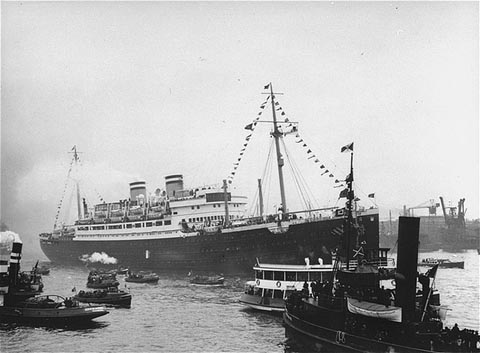
The MS St. Louis was a German ocean liner most notable for a single, tragic voyage in 1939. Its captain, Gustav Schröder, fought desperately to find a home for 908 Jewish refugees fleeing Nazi Germany. After being systematically denied entry by Cuba, the United States, and Canada, the refugees were finally accepted by various European nations. Tragically, historians estimate that approximately a quarter of these passengers ultimately perished in Nazi death camps during World War II.
After they were denied entry to Cuba, Canada, and the United States, the refugees were finally accepted in various European countries, and historians have estimated that approximately a quarter of them died in death camps during World War II.
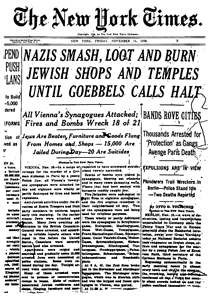
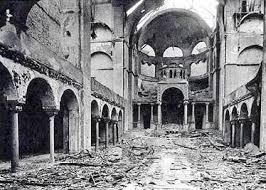
The catalyst for the voyage came in November 1938, following the horrors of Kristallnacht (the Night of Broken Glass), when many German Jews realized they had no choice but to leave their homeland.
While many had emigrated in the preceding years, those who remained faced immensely stricter hurdles. By 1939, Nazi emigration policies had been heavily tightened. To escape, Jews not only needed hard-to-obtain visas from destination countries, but also exorbitant amounts of money to leave Germany. Because many nations—most notably the United States—enforced strict immigration quotas, acquiring a visa in time was nearly impossible. For far too many, permission to enter arrived long after it was too late.
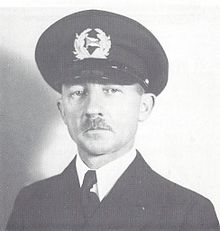
On May 13, 1939, the MS St. Louis set sail from Hamburg bound for Cuba. Under the command of Captain Gustav Schröder, the vessel carried 937 refugees seeking asylum. Captain Schröder, a non-Jewish German, was a man of immense integrity who went to great lengths to ensure his passengers were treated with dignity.
Every passenger boarding that Saturday had a harrowing story of persecution. Among them was Aaron Pozner, who had just been released from the Dachau concentration camp. On Kristallnacht, Pozner—along with 26,000 other Jewish men—had been arrested and deported. While interned at Dachau, he witnessed brutal murders, floggings, and severe torture. Unexpectedly, Pozner was released on one condition: he had to leave Germany within fourteen days.
Though his family had almost nothing left, they pooled their remaining resources to buy Aaron a single ticket on the MS St. Louis. Pozner said goodbye to his wife and two children, knowing they could not afford to join him. After being beaten and forced to sleep among bloody animal hides just to reach the harbor, Pozner boarded the ship knowing the immense weight of saving his family rested entirely on his shoulders.
Many other passengers shared similar heartbreaks, leaving loved ones behind or hoping to reunite with relatives who had escaped earlier. The shadow of Nazi rule loomed large; the swastika flag flew above the ship, and a portrait of Adolf Hitler hung in the social hall.
However, Captain Schröder had issued stern warnings to his 231-member crew: these passengers were to be treated with the utmost respect. The crew complied beautifully; two stewards even carried the luggage of Moritz and Recha Weiler, an elderly couple, to their cabin.
A Brief “Vacation Cruise to Freedom”
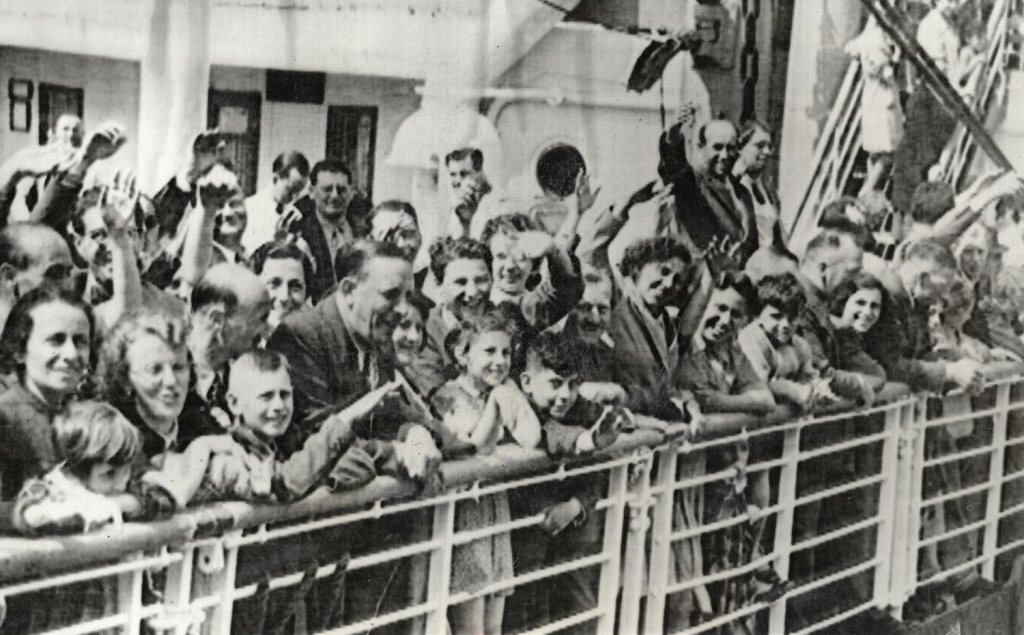
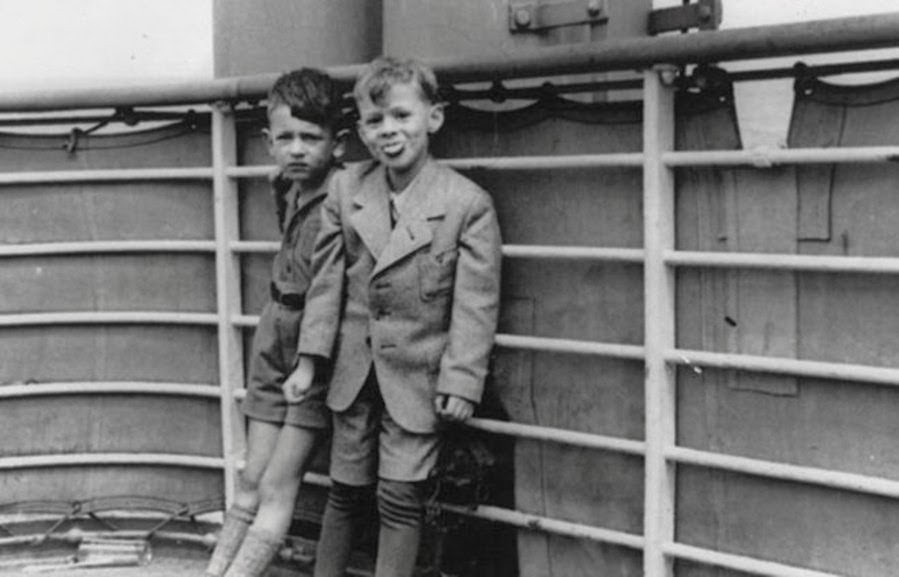
The journey across the Atlantic became an unexpectedly joyous affair. On land, the passengers had been treated with contempt, but aboard the St. Louis, they were treated like privileged tourists.
Crew members treated the passengers with genuine warmth. Elegantly clad stewards served gourmet food that had long been rationed back in Germany. A full-time nursemaid was even provided to care for young children during dinner hours.
There were dances, concerts, and swimming lessons for the children in the on-deck pool. Captain Schröder permitted Friday evening religious services in the dining room and even allowed the passengers to drape a tablecloth over the plaster bust of Hitler that sat in the hall. For a brief moment, the passengers felt they were, as young traveler Lothar Molton put it, on “a vacation cruise to freedom.”
Betrayal in Havana
The illusion shattered at 4:00 AM on May 27, when the ship dropped anchor at the far end of the Havana harbor. Denied entry to the standard docking areas, the passengers entered a tumultuous period of limbo. The Cuban government, led by President Federico Laredo Brú, refused to let the refugees disembark.
Though the passengers had purchased what they believed were legal visas, Cuba had retroactively changed its laws. On May 5, 1939—just four months before the outbreak of World War II—Havana abandoned its pragmatic immigration policies and issued Decree 937. This law restricted entry to all foreigners except U.S. citizens, requiring a $500 bond and explicit authorization from the Cuban secretaries of state and labor. Crucially, all permits issued prior to May 5 were invalidated. The tragic reality was that none of the passengers knew their visas had been rendered worthless before they even set sail.
Ultimately, only 29 passengers were allowed to step ashore in Cuba. Twenty-two were Jewish passengers who held valid U.S. visas; six were citizens of Spain or Cuba with flawless documents; and one passenger was rushed to a Havana hospital after a desperate suicide attempt.
U.S. telephone records reveal that American officials, including Secretary of State Cordell Hull and Secretary of the Treasury Henry Morgenthau Jr., made some attempts to persuade Cuba to relent. However, their actions—combined with intense lobbying by the American Jewish Joint Distribution Committee—failed to move the Cuban government.
Turned Away by America and Canada
Forced to leave Cuban waters, Captain Schröder coasted along the shoreline of Florida, hoping for a humanitarian gesture from the United States. However, Secretary of State Cordell Hull advised President Franklin D. Roosevelt to reject the refugees.
Desperate, Captain Schröder considered intentionally running the ship aground on the Florida coast to allow the passengers to flee ashore. To prevent this, the U.S. Coast Guard shadowed the ship, acting on strict instructions to turn the vessel away.
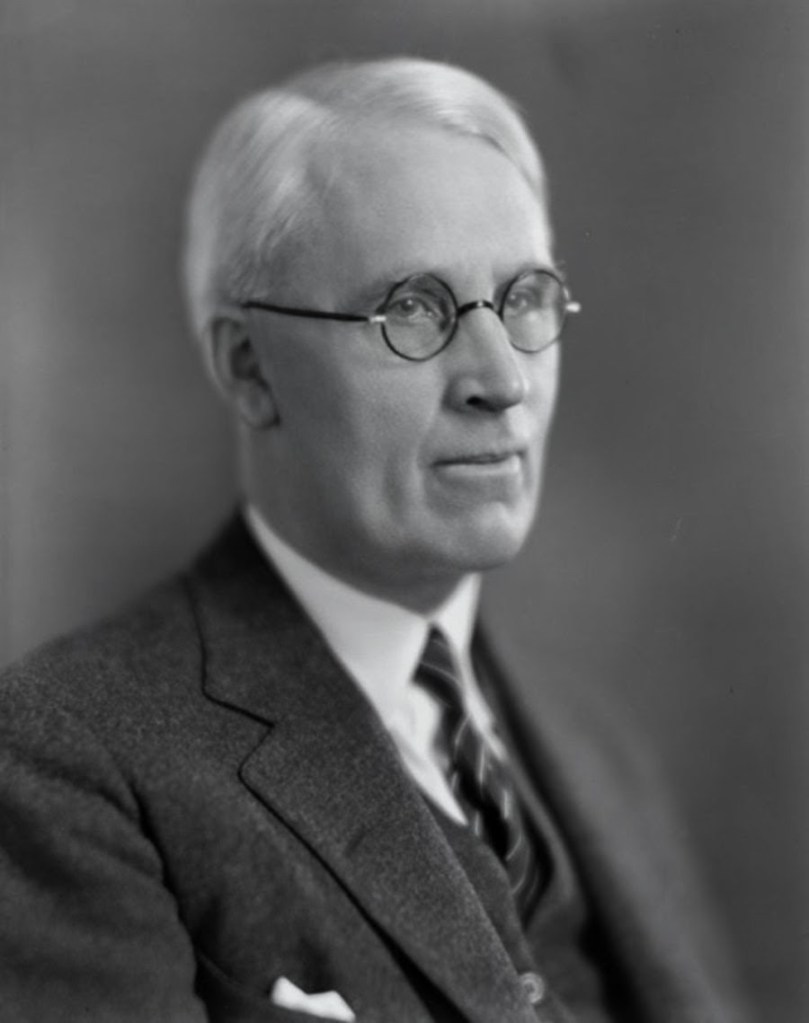
Following the American rejection, a group of Canadian academics and clergymen tried to persuade Canada’s Prime Minister, William Lyon Mackenzie King, to grant the ship sanctuary, noting it was only a two-day sail from Halifax, Nova Scotia.
Their pleas fell on deaf ears. Frederick Blair, a Canadian immigration official notoriously hostile to Jewish immigration, convinced the Prime Minister on June 9 not to intervene. Decades later, in the year 2000, Blair’s nephew publicly apologized to the Jewish community for his uncle’s fatal decision.
Return to Europe and the Final Toll
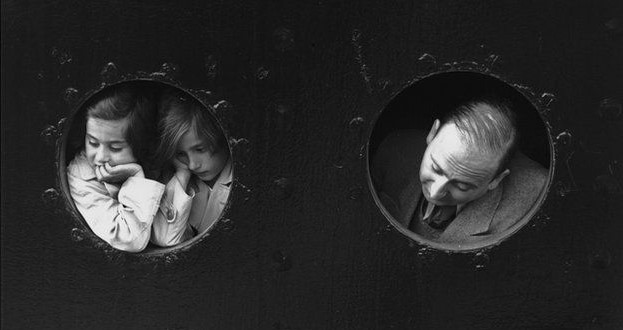
As the ship’s options dwindled, conditions on board deteriorated. Captain Schröder continued to scheme for his passengers’ survival, even drafting a plan to wreck the ship on the British coast to force the UK government to take them in. He steadfastly refused to return the ship to Germany until every passenger had safe passage to another country.
Thanks to frantic diplomatic efforts, European nations finally agreed to split the refugees. The MS St. Louis returned to Europe, docking in Antwerp, Belgium, on June 17, 1939, with 907 passengers.
The distribution of the passengers was arranged as follows:
The United Kingdom: Accepted 288 passengers (who traveled to the UK via secondary steamers).
France: Accepted 224 passengers.
Belgium: Accepted 214 passengers.
The Netherlands: Accepted 181 passengers.
With its cabins empty, the St. Louis returned to its home port of Hamburg.
Tragically, the safety found in continental Europe was short-lived. In May 1940, Nazi Germany invaded France, Belgium, and the Netherlands, placing the trapped St. Louis refugees right back into the hands of the regime they had tried so hard to escape.
In their definitive book Voyage of the Damned, authors Gordon Thomas and Max Morgan-Witts analyzed the historical survival rates of Jews in those occupied nations. They estimated that 180 of the refugees in France, 152 in Belgium, and 60 in the Netherlands survived the Holocaust.
Combined with those who found safety in England, roughly 709 of the original 936 passengers survived the war. Later, meticulous research by Scott Miller and Sarah Ogilvie of the United States Holocaust Memorial Museum refined these numbers, confirming that the tragedy ultimately claimed the lives of 254 passengers who were sent back to the continent.

sources
https://archives.jdc.org/topic-guides/the-story-of-the-s-s-st-louis
https://en.wikipedia.org/wiki/MS_St._Louis
https://encyclopedia.ushmm.org/content/en/article/voyage-of-the-st-louis
Donation
Your readership is what makes my site a success, and I am truly passionate about providing you with valuable content. I have been doing this at no cost and will continue to do so. Your voluntary donation of $2 or more, if you are able, would be a significant contribution to the continuation of my work. However, I fully understand if you’re not in a position to do so. Your support, in any form, is greatly appreciated. Thank you. To donate, click on the credit/debit card icon of the card you will use. If you want to donate more than $2, just add a higher number in the box left from the PayPal link. Your generosity is greatly appreciated. Many thanks.
$2.00
By using the survival rates for Jews in various countries, Thomas and Morgan-Witts, the authors of Voyage of the Damned, estimated that 180 of the St. Louis refugees in France, 152 of those in Belgium, and 60 of those in the Netherlands survived the Holocaust. Including the passengers who landed in England, of the original 936 refugees (one man died during the voyage), roughly 709 survived the war and 227 did not.
Later research by Scott Miller and Sarah Ogilvie of the United States Holocaust Memorial Museum found that fewer had actually survived and estimated 254 deaths:.


Leave a Reply