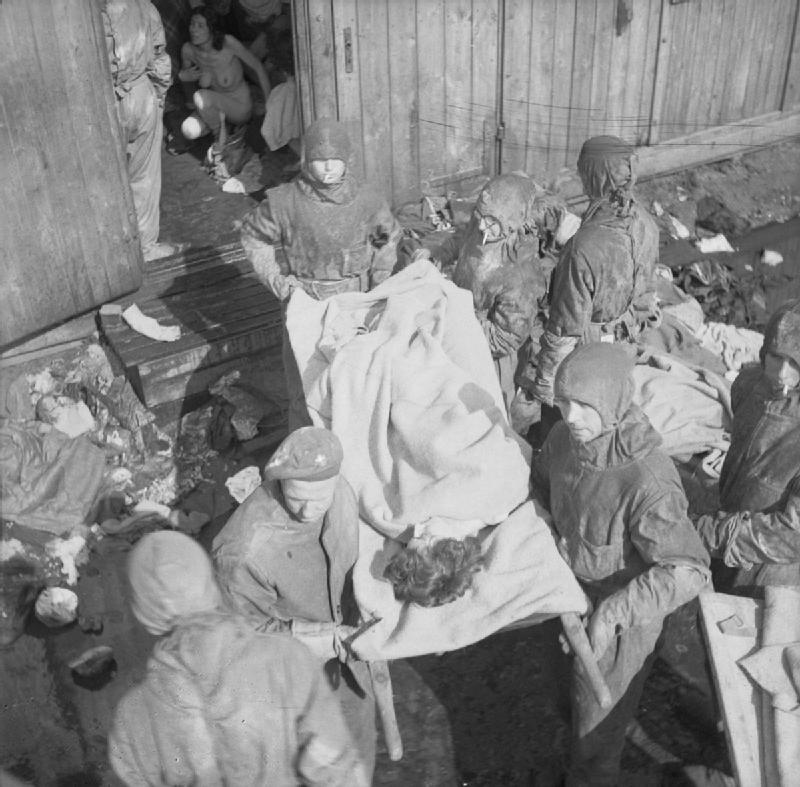
 For many the joy of being freed from the brutal Nazi regime was short lived. After the concentration camps were liberated the deaths didn’t stop straight away.
British forces liberated concentration camps in northern Germany, including Neuengamme and Bergen-Belsen. They entered the Bergen-Belsen concentration camp, near Celle, in mid-April 1945. Some 60,000 prisoners, most in critical condition because of a typhus epidemic, were found alive. More than 10,000 of them died from the effects of malnutrition or disease within a few weeks of liberation.
Initially lacking sufficient manpower, the British allowed the Hungarians to remain in charge and only commandant Kramer was arrested.
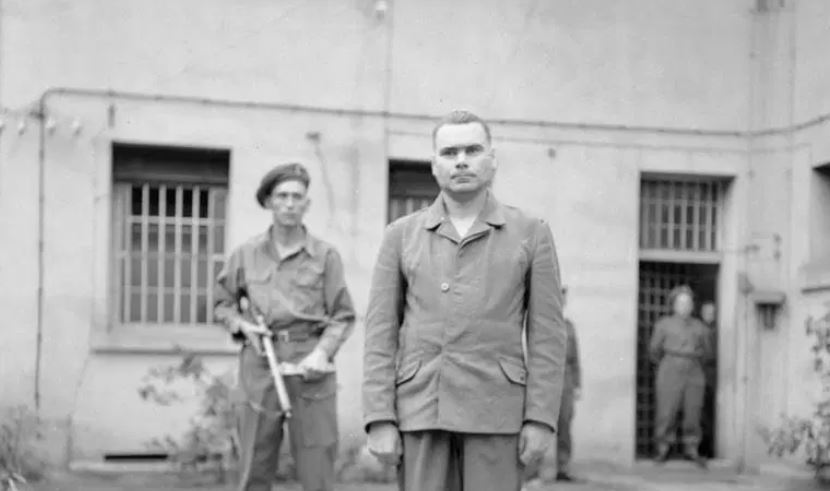
Some British Soldiers pushed cigarettes and sweets through the wire to the inmates who fell on them so ferociously that some were left dead on the ground, torn to pieces in the sordid scramble. The Hungarian Wehrmacht soldiers, who had been assigned to guard the camp during the transition, shot into the mob and killed numerous people.
On April 20, four German fighter planes attacked the camp, damaging the water supply and killing three British medical orderlies.
Robert Desnos (French: 4 July 1900 – 8 June 1945), was a French surrealist poet who played a key role in the Surrealist movement of his day.
During World War II, Desnos was an active member of the French Resistance network Réseau AGIR, under the direction of Michel Hollard, often publishing under pseudonyms. For Réseau Agir, Desnos provided information collected during his job at the journal Aujourd’hui and made false identity papers he was arrested by the Gestapo on 22 February 1944.
He was first deported to the German concentration camps of Auschwitz in occupied Poland, then Buchenwald, Flossenburg in Germany and finally to Terezín (Theresienstadt) in occupied Czechoslovakia in 1945.
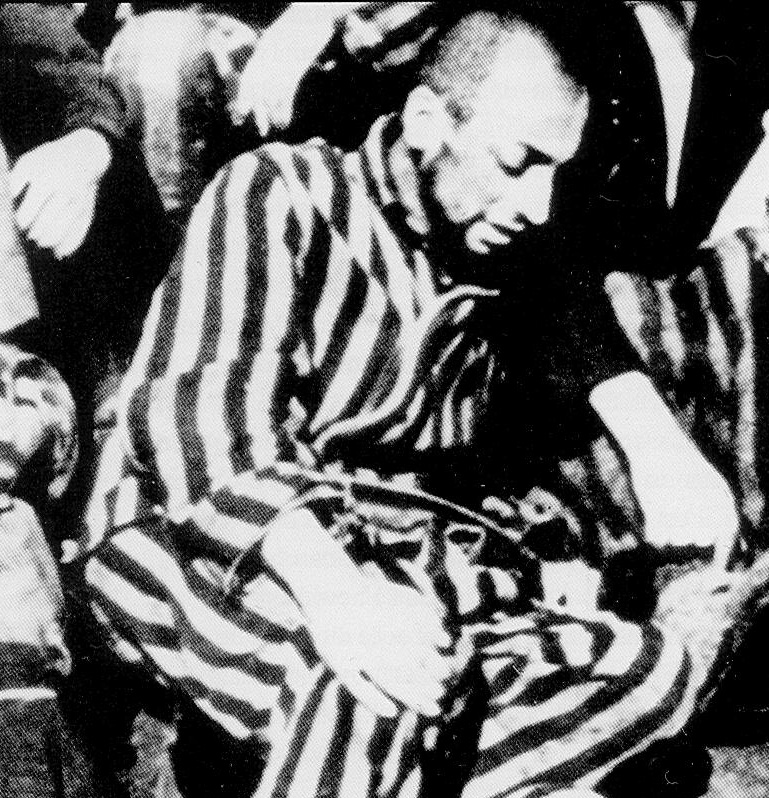
Desnos died in “Malá pevnost”, which was an inner part of Terezín used only for political prisoners, from typhoid, a month after the camp’s liberation
Many others died due to Refeeding syndrome a syndrome consisting of metabolic disturbances that occur as a result of re-institution of nutrition to patients who are starved, severely malnourished or metabolically stressed due to severe illness.This syndrome is a result of the human body changing fuel sources during starvation and can be fatal.
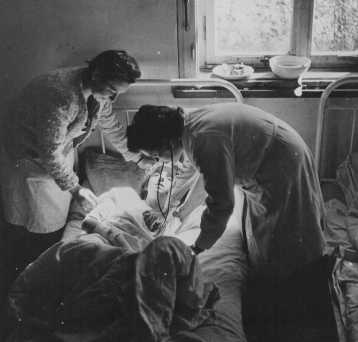
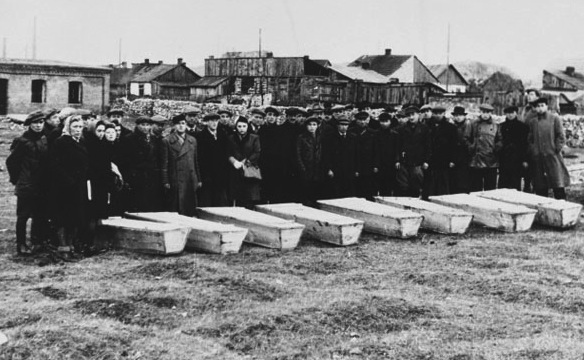
After liberation, many Jewish survivors feared to return to their former homes because of the antisemitism (hatred of Jews) that persisted in parts of Europe and the trauma they had suffered. Some who returned home feared for their lives. In postwar Poland, for example, there were a number of pogroms (violent anti-Jewish riots). The largest of these occurred in the town of Kielce in 1946 when Polish rioters killed at least 42 Jews and beat many others.

Donation
Your readership is what makes my site a success, and I am truly passionate about providing you with valuable content. I have been doing this at no cost and will continue to do so. Your voluntary donation of $2 or more, if you are able, would be a significant contribution to the continuation of my work. However, I fully understand if you’re not in a position to do so. Your support, in any form, is greatly appreciated. Thank you. To donate, click on the credit/debit card icon of the card you will use. If you want to donate more than $2, just add a higher number in the box left from the PayPal link. Your generosity is greatly appreciated. Many thanks.
$2.00

 History of Sorts
Leave a reply to dirkdeklein Cancel reply