
For most people, the name Geleen will mean nothing, but to me, it means the place where I was born and raised. Although it is far from perfect, my roots are there, and I am proud of that.
It is a city in the southern part of the province of Limburg in the Netherlands. With 33,960 inhabitants, it is part of the municipality of Sittard-Geleen. Geleen is situated along the Geleen Beek River, a right tributary to the Meuse River. The Latin name for Geleenbeek is Glana, which translates to clear river. The town centre is situated at about 60 m above sea level.

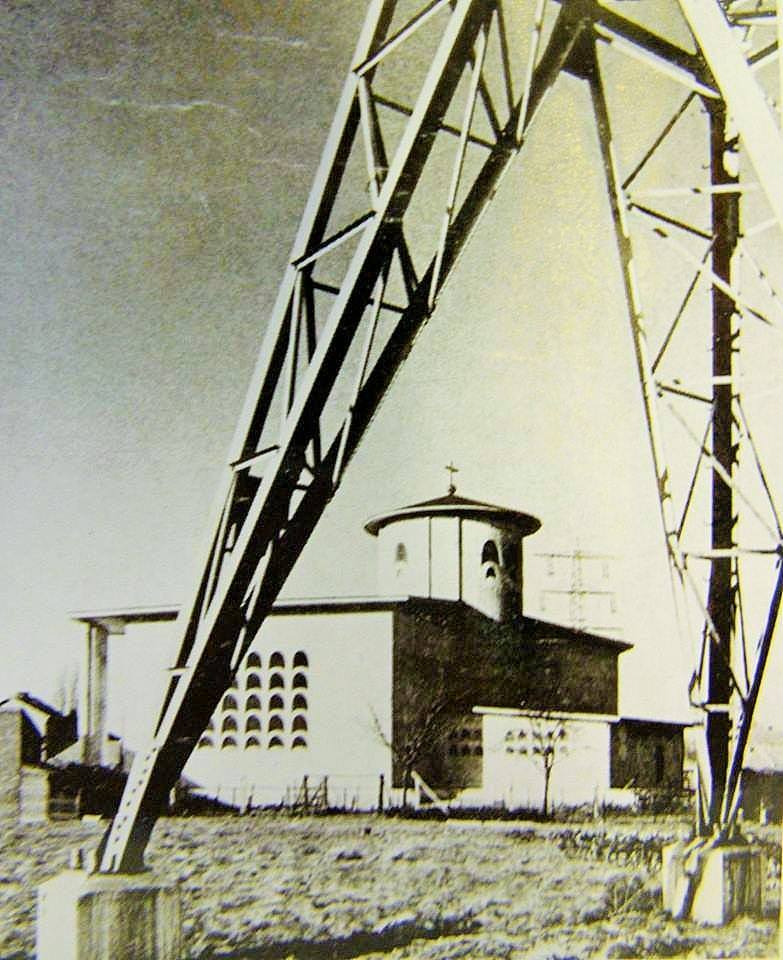
Until the end of the 19th century, Geleen was a small village. The remains of one of the oldest prehistoric farms in the Netherlands were found here. In the 20th century, the exploitation of coal mines in this area (the State-owned Maurits Coal Mine, the largest in Europe, was located in Geleen) brought a fast population increase. During the 1960s and 1970s, all Dutch coal mines here were closed.
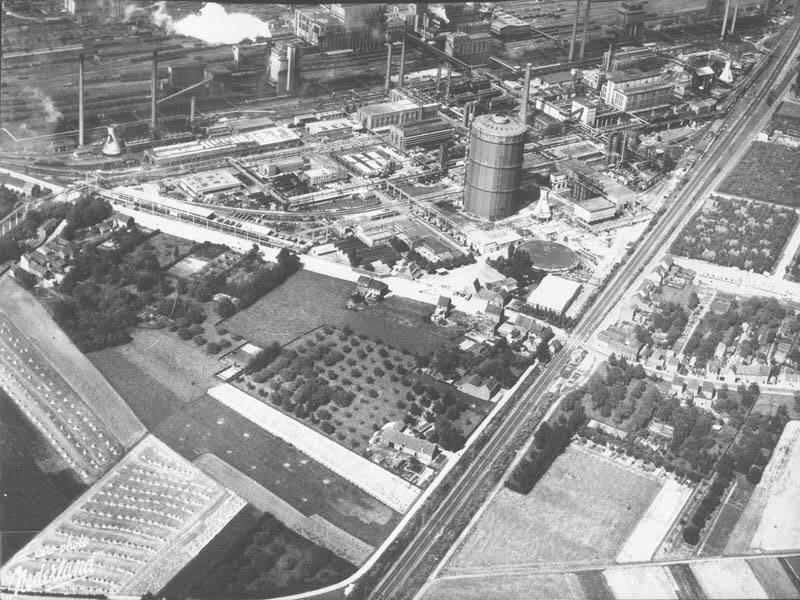
Throughout the years, it has seen some changes this blog is looking at its rich industrial history.


Greek immigrant workers employed by DSM showed off their dancing skills.


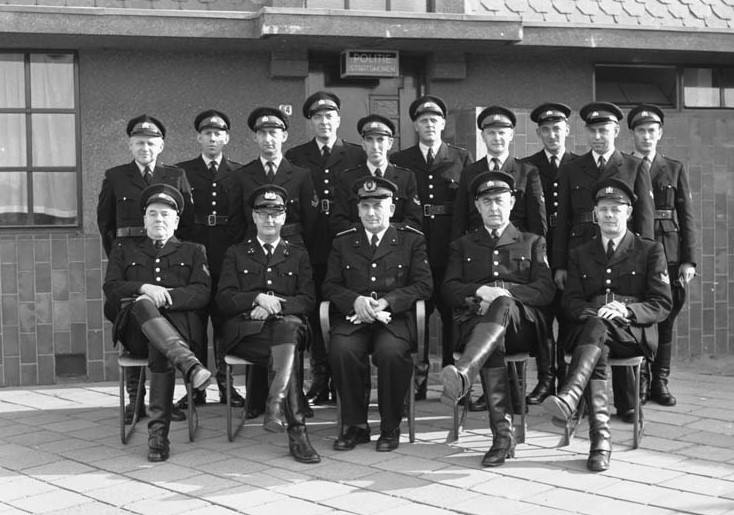
The DSM and its subsidiary SBB were so large, it needed its own police force.

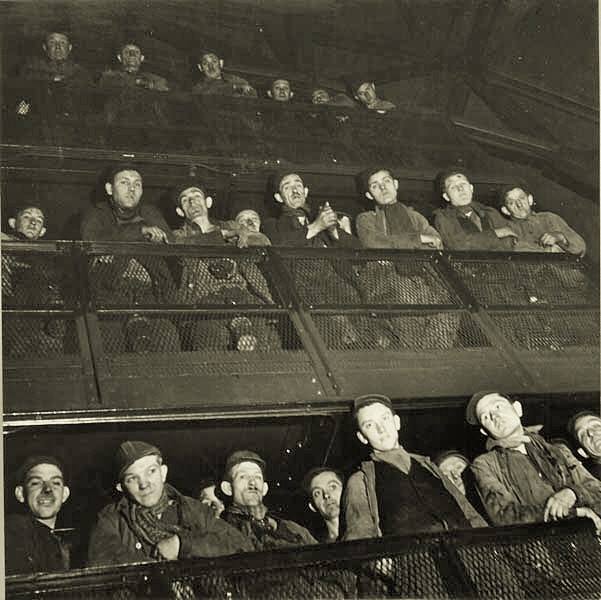
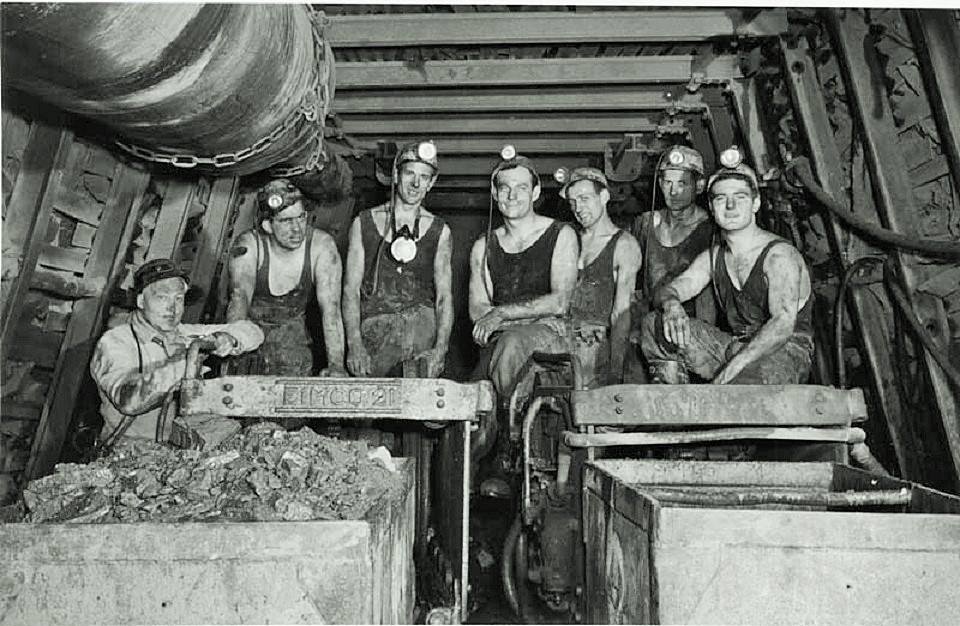
Working in a coal mine was one of the most dangerous and hazardous to health jobs you could have. Not every worker would live a long life.

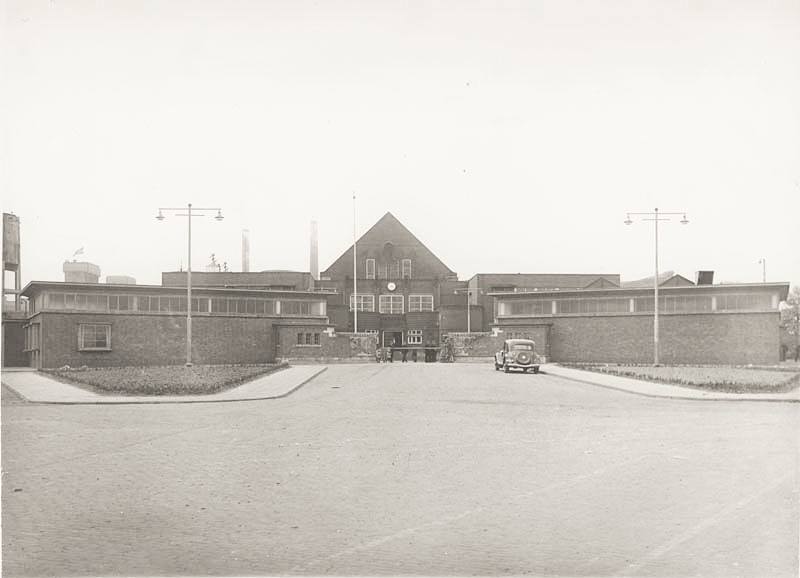
The record shop where I spent quite a bit of money, but every cent spent there was well worth it, Limburgs Platenhuis.


 History of Sorts
Leave a comment