
Approximately 25,000 Jews from Germany and Austria sought refuge in the Netherlands in the 1930s after the Nazis came to power. They were welcomed in the Netherlands because many Dutch were appalled by the treatment of the Jews in Germany. The photograph above shows a large protest meeting in the Amsterdam R.A.I. in 1938 against the treatment of the Jews in Germany. More than 25,000 Dutch people attended this meeting.
The Dutch were always known as a multicultural, multilingual, liberal nation. German and Austrian Jewish parents sent their children to the Netherlands, knowing they would be safe.
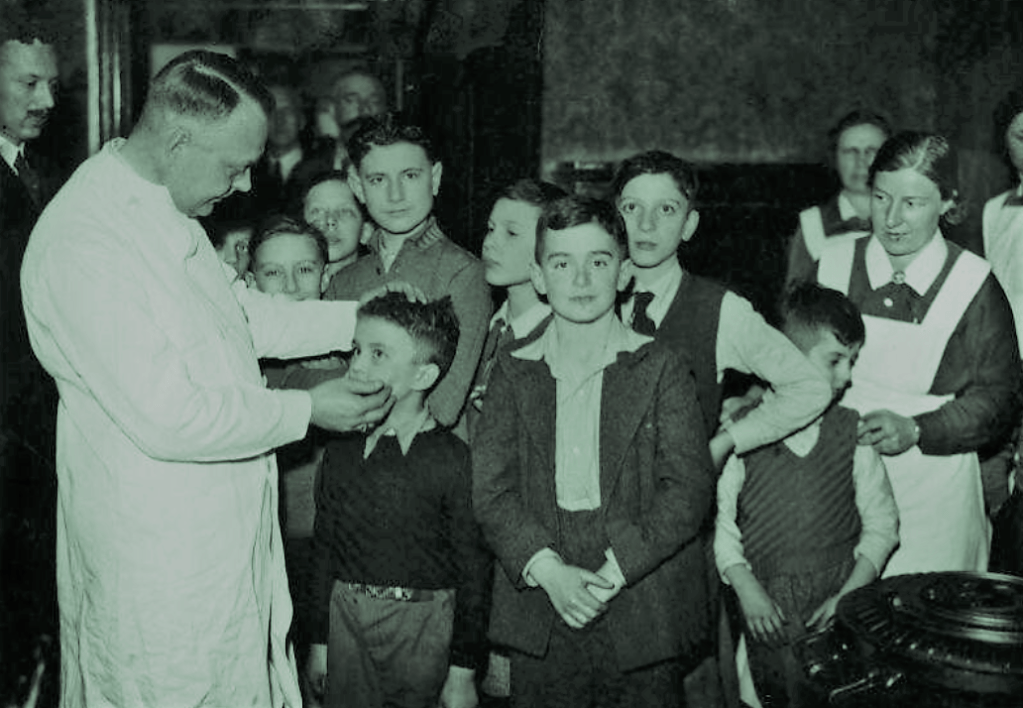
To facilitate the influx of Jewish refugees, the Dutch government established a refugee camp at Westerbork (Centraal Vluchtelingenkamp Westerbork) in 1939 to intern Jewish refugees (the majority from Germany). The first refugees arrived in Westerbork in October of that year. In April 1940, approximately 750 Jewish refugees were housed in the camp. Some were German Jews who had been passengers on the ship MS St. Louis.
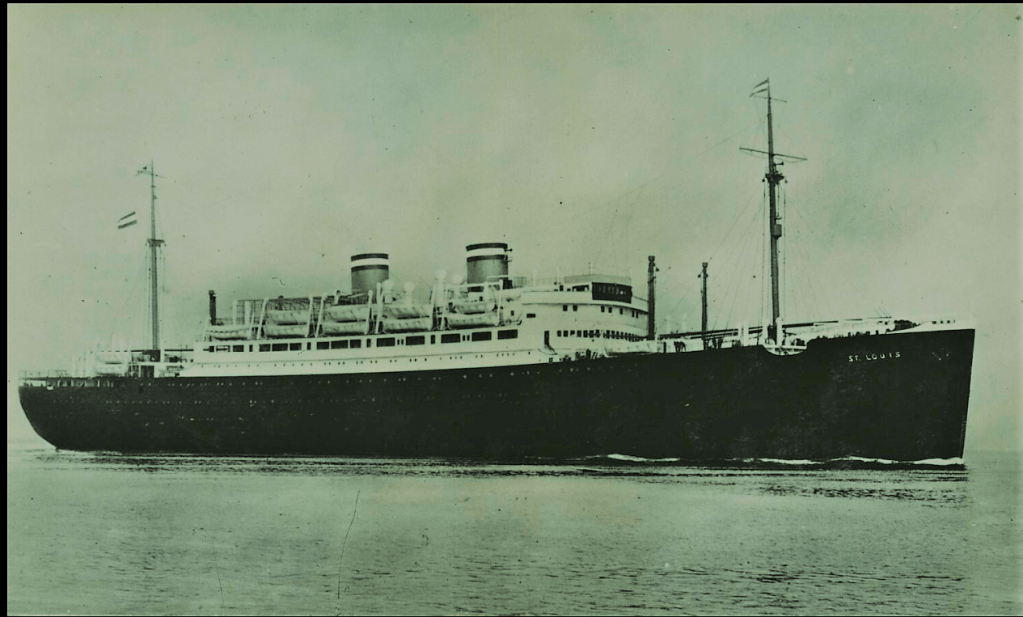
On May 13, 1939, more than 900 Jews fled Germany aboard a luxury cruise liner, the MS St Louis. They hoped to reach Cuba to continue onto the United States, but Havanna turned them away. They were forced to return to Europe.
After a weeks-long journey, 907 German Jewish refugees arrived with the MS St. Louis in the port of Antwerp. Two children look dejectedly through the porthole of the ship at the disembarkation in the harbour.

For those who ended up in Westerbork, their troubles were far from over. On May 10, 1940, Nazi Germany invaded the Netherlands.
During the first two years after the invasion, Westerbork continued to function as a refugee camp. From May 1940 to July 1942, Westerbork remained under the control of the Dutch administration. The conditions were reported as relatively good.
In July 1942, the Nazis began operating Westerbork as a Jewish transit camp. The Jews (Dutch and non-Dutch) at Westerbork were deported predominantly to Auschwitz and Sobibor.
Also, the Dutch Jews who had lived in the Netherlands as fully integrated Dutch citizens for centuries suddenly became lesser citizens. They were persecuted by the German occupiers, but many Dutch, often their neighbours, who were eager to help the Nazis identify them. The Dutch made sure that newly introduced laws by the Nazis were enforced.

In this secretly taken photograph (below) on June 20, 1943, Amsterdam-South and the Transvaal neighbourhoods in East Amsterdam were hermetically closed. Loudspeaker cars drove through the streets. Almost all Jews had to proceed to specific assembly points, from where they were taken to the station by trams. Many Jews, however, turned out to be hiding. That is why, later that day, all houses were systematically searched, and arrested Jews were removed with army trucks, such as here on the Krügerpleinm, at the corner of Schalk Burgerstraat in the Transvaalbuurt. The Ordnungspolizei was assisted in this ‘collection action’ by the special Jewish auxiliary police from the Westerbork transit camp. These men were recognizable by a white band around their arms.

They all thought they were safe. At some point, they couldn’t have been more wrong. They arrived in a country with a civilian registration second to none. This efficient part of the bureaucracy—made it so easy for the Nazi.
Sources
https://encyclopedia.ushmm.org/content/en/article/westerbork
https://www.bbc.com/news/magazine-27373131
Donation
Your readership is what makes my site a success, and I am truly passionate about providing you with valuable content. I have been doing this at no cost and will continue to do so. Your voluntary donation of $2 or more, if you are able, would be a significant contribution to the continuation of my work. However, I fully understand if you’re not in a position to do so. Your support, in any form, is greatly appreciated. Thank you. To donate, click on the credit/debit card icon of the card you will use. If you want to donate more than $2, just add a higher number in the box left from the PayPal link. Your generosity is greatly appreciated. Many thanks.
$2.00
 History of Sorts
Leave a comment