
The Second World War brought untold suffering to millions across Europe. In occupied territories, ordinary men and women found themselves faced with extraordinary choices: to collaborate, remain silent, or resist. Among the Dutch who chose resistance, Jan Bonekamp stands out as a courageous and determined figure whose actions epitomize the spirit of defiance against Nazi oppression. His life, short yet impactful, offers a glimpse into the harrowing yet heroic world of the Dutch resistance movement.
Early Life
Jan Bonekamp was born on September 4, 1914, in Amsterdam, into a working-class family. Like many young men of his time, Bonekamp grew up in an environment that instilled values of solidarity, equality, and resistance to injustice. His background shaped his worldview and deepened his commitment to social justice. Before the war, he was active in left-wing and anti-fascist circles, indicating an early awareness of the looming threat posed by fascism in Europe. These ideological leanings would eventually guide his actions once the Nazi regime occupied the Netherlands.
The Nazi Occupation of the Netherlands
The German invasion of the Netherlands in May 1940 marked the beginning of a brutal occupation that would last until the country’s liberation in 1945. Life under Nazi rule was characterized by the repression of civil liberties, widespread persecution of Jews, and the exploitation of the Dutch economy and labor force for the German war effort. For many Dutch citizens, daily life became an oppressive routine of fear, scarcity, and intimidation.
Initially, the Dutch government and parts of the population maintained a passive or ambivalent stance toward the occupation. However, the widespread collaboration with Nazi authorities, the increasingly harsh treatment of Jewish citizens, and the forced deportation of Dutch laborers to work in German factories led to the rise of various resistance movements. It was against this backdrop that Jan Bonekamp, already politically active, made the fateful decision to join the resistance.
Joining the Resistance
The resistance movement in the Netherlands was a patchwork of groups with different ideologies and strategies, ranging from communist partisans to devoutly religious factions, all united in their opposition to the Nazi regime. Bonekamp aligned himself with the communists, reflecting his pre-war political activism. He became involved with the resistance group linked to the “CPN” (Communist Party of the Netherlands), which was deeply involved in sabotage, intelligence gathering, and helping Jews escape persecution.
Bonekamp’s role in the resistance grew steadily over time. His responsibilities included participating in underground activities such as the distribution of anti-Nazi propaganda, the sabotage of German infrastructure, and the organization of strikes. However, Bonekamp’s most significant contributions came in his later years as he became increasingly involved in direct action against the occupying forces and their Dutch collaborators.
Assassination and Armed Resistance
The Dutch resistance was not a uniform movement. While some groups focused on passive resistance, such as providing forged documents or sheltering Jews, others took a more militant approach. Jan Bonekamp belonged to the latter. He was part of a group that actively targeted Dutch collaborators who assisted the Nazi authorities, as well as German officers.
Bonekamp’s involvement in armed resistance culminated in a series of high-profile assassinations. The targeting of collaborators was a controversial yet effective strategy employed by the resistance to disrupt the Nazi occupation. By eliminating key figures who were actively assisting the Nazi regime, the resistance hoped to slow the efforts to deport Jews, suppress dissent, and maintain order in the occupied Netherlands. Such operations were not without risk, however, as they often led to brutal reprisals from the Nazis, including mass arrests and executions.
One of the most famous operations involving Bonekamp occurred in 1944, when he and a fellow resistance fighter, Hannie Schaft, targeted and attempted to assassinate Dutch policeman and collaborator Willem Ragut.
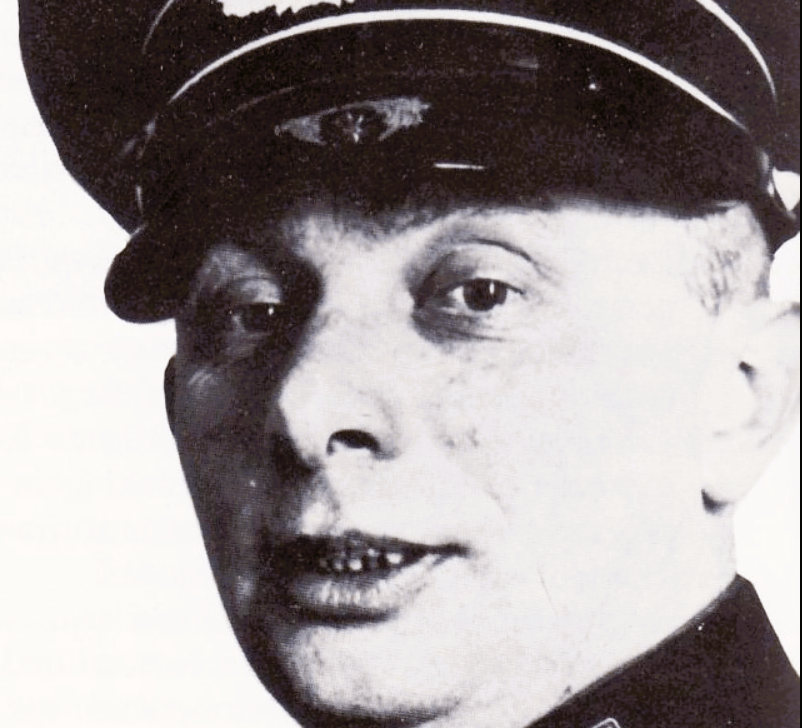
The assassination attempt succeeded, but Bonekamp was mortally wounded during the operation. He was captured by the Germans and later succumbed to his injuries. His death marked the end of a life committed to fighting injustice, but it also cemented his legacy as a hero of the Dutch resistance.
Legacy and Symbolism
Jan Bonekamp’s sacrifice did not go unnoticed. After the war, he became a symbol of the courage and resilience of the Dutch resistance movement. Along with figures like Hannie Schaft, Bonekamp’s name became synonymous with the struggle against Nazi tyranny. His story was remembered as one of moral courage and uncompromising defiance in the face of overwhelming odds.
However, the post-war period also saw some controversy surrounding the role of the communists in the resistance. During the Cold War, as tensions between the Western powers and the Soviet Union deepened, the contributions of communist resistance fighters like Bonekamp were often downplayed or overlooked in favor of more politically acceptable narratives. Nevertheless, in later decades, there has been a renewed recognition of the diversity within the resistance and a broader appreciation of figures like Bonekamp.
Today, Jan Bonekamp’s name is honored in several ways. Streets have been named after him, and his story is taught as part of the broader narrative of Dutch resistance during the Second World War. His actions continue to inspire those who learn about the moral dilemmas and personal risks involved in standing up to oppressive regimes.
The Broader Context of Dutch Resistance
To fully understand Jan Bonekamp’s significance, it is essential to place his actions within the broader context of the Dutch resistance movement. Unlike in some other occupied countries, the Dutch resistance was relatively slow to organize in the early years of the occupation. The initial shock of the German invasion, coupled with the rapid collapse of the Dutch military, left many citizens in a state of confusion and fear. However, as the war progressed and the Nazi regime’s brutality became more apparent, the resistance grew in strength and resolve.
By 1944, the Dutch resistance had become a formidable force, engaging in a wide range of activities designed to disrupt the Nazi war effort. From railway sabotage to intelligence gathering, the Dutch resistance played a critical role in supporting the Allied invasion of Europe. Jan Bonekamp was part of this larger movement, contributing in his own way to the eventual liberation of his country.
What sets Bonekamp apart, however, is the intensity of his commitment and the personal risks he took. While many in the resistance focused on clandestine activities that allowed them to avoid direct confrontation with the Nazis, Bonekamp embraced the dangerous work of assassination and armed resistance. This willingness to confront collaborators and German officers head-on speaks to a deep sense of moral responsibility and an unwavering belief in the righteousness of his cause.
Jan Bonekamp was a man who chose to fight against tyranny at great personal cost. His actions during the Nazi occupation of the Netherlands, particularly his involvement in armed resistance and assassination operations, illustrate the lengths to which some individuals were willing to go to oppose injustice. Though his life was cut tragically short, his legacy lives on as a symbol of courage, sacrifice, and the enduring human spirit in the face of oppression.
In a time when the moral and ethical boundaries between right and wrong could be blurred by the complexities of war, Bonekamp’s unwavering commitment to fighting the forces of fascism stands as a testament to the power of individual action. His story, along with those of countless other resistance fighters, continues to inspire future generations to stand up against tyranny, no matter the cost.
(Thanks to my Nephew Stefano for pointing the story out to me)
Sources
https://leesmanifest.nl/artikelen/80-jaar-sinds-de-dood-van-communistische-verzetsheld-jan-bonekamp/
https://www.findagrave.com/memorial/149200683/johannes_lambertus-bonekamp
Donation
Your readership is what makes my site a success, and I am truly passionate about providing you with valuable content. I have been doing this at no cost and will continue to do so. Your voluntary donation of $2 or more, if you are able, would be a significant contribution to the continuation of my work. However, I fully understand if you’re not in a position to do so. Your support, in any form, is greatly appreciated. Thank you. To donate, click on the credit/debit card icon of the card you will use. If you want to donate more than $2, just add a higher number in the box left from the PayPal link. Your generosity is greatly appreciated. Many thanks.
$2.00

 History of Sorts
Leave a comment