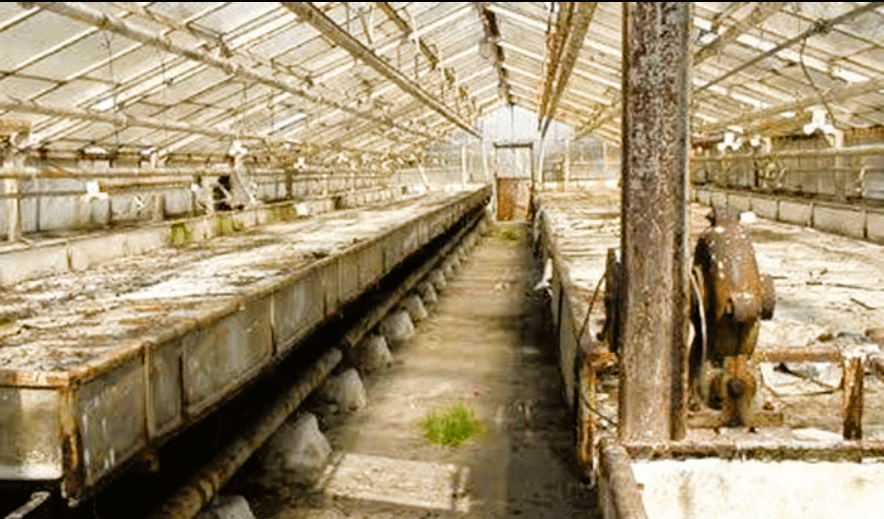
Auschwitz is synonymous with terror, cruelty, and the Holocaust’s unimaginable suffering. The vast concentration and extermination camp complex built by Nazi Germany in occupied Poland has become a symbol of the industrial scale of mass murder. However, within this broader landscape of death, an often overlooked chapter of exploitation lies in the form of the Auschwitz greenhouses—a seemingly benign feature that masked a darker story of forced labor, pseudoscientific research, and ideological manipulation.
The Hidden Role of Agriculture in the Auschwitz Complex
While Auschwitz is remembered primarily for its role in the Holocaust, the camp system extended far beyond the notorious gas chambers and barracks. It also included various industrial enterprises, agricultural projects, and auxiliary facilities that served both the Nazi war machine and the regime’s ideological goals.
The Auschwitz greenhouses, part of a broader Nazi agricultural program, were established in the late stages of the war in Monowitz—one of Auschwitz’s subcamps. Their purpose was deceptively practical: to support agricultural experimentation and supply fresh produce to the SS guards and the camp administrators. But, like much of Nazi agricultural policy, the greenhouses embodied the sinister union of ideology and exploitation.
Slave Labor in the Greenhouses
The greenhouses at Auschwitz were not benign horticultural endeavors; they were an extension of the brutal forced labor system that characterized the camp. Inmates from the nearby camps were forced to work in the greenhouses under grueling conditions. Many were prisoners of various nationalities—Poles, Jews, and others—who were subjected to severe mistreatment and a complete lack of regard for their well-being.
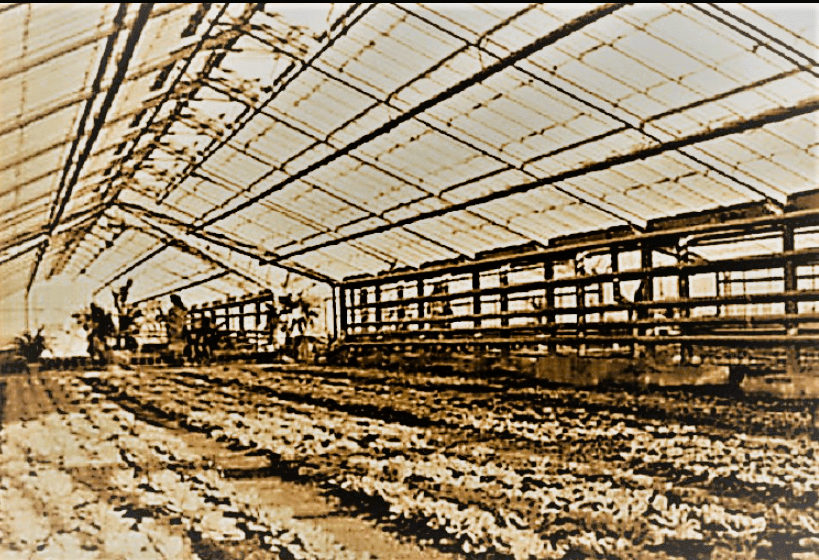
The prisoners were tasked with growing vegetables and flowers, primarily to benefit the SS personnel. The Nazis also aimed to use the greenhouses as a platform for agricultural research, experimenting with plant cultivation techniques to improve crop yields. This effort was part of a broader Nazi project to make the Third Reich self-sufficient in food production, a concept deeply connected to the Lebensraum ideology, which sought to conquer vast territories in Eastern Europe for German settlement and agricultural exploitation.
The daily reality for the inmates working in the Auschwitz greenhouses was one of extreme hardship. Starved, exhausted, and frequently abused by their overseers, prisoners faced death from overwork, disease, and malnutrition. These conditions, while not as deadly as the extermination process in Birkenau, nonetheless formed part of the wider machinery of death and dehumanization operating throughout Auschwitz.
Nazi Agricultural Research and Ideological Goals
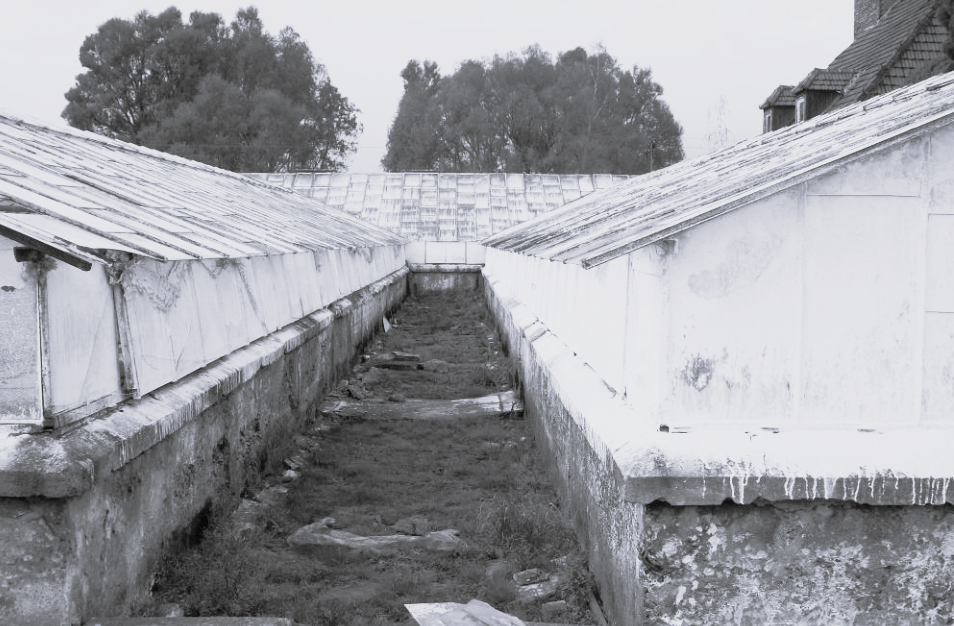
The greenhouses were not simply about food production—they also carried the stamp of Nazi ideology. The Nazis had a long-standing obsession with agriculture as a cornerstone of their vision for the future. The regime’s goals of autarky (economic self-sufficiency) and expansionism hinged on controlling agricultural production, particularly in the fertile lands of Eastern Europe. The Generalplan Ost, a blueprint for colonizing and exploiting Eastern Europe, imagined vast agricultural estates controlled by German settlers, with millions of Slavic people either exterminated or reduced to serf-like labor.
In Auschwitz, the greenhouses became a microcosm of this vision. SS officers overseeing the project engaged in agricultural research that could be applied to the future “German East.” The Nazis believed that by cultivating new plant varieties and experimenting with greenhouse technologies, they could conquer nature as they sought to conquer other nations.
There was also a darker, pseudoscientific element to this research. The SS, under Heinrich Himmler, was deeply invested in the idea of creating an agrarian utopia. Himmler himself had an interest in agriculture, and through institutions like the Ahnenerbe, the Nazi research institute dedicated to investigating the supposed ancient origins of the Aryan race, the regime pursued various esoteric ideas about nature, race, and blood. Although the Auschwitz greenhouses were ostensibly focused on agricultural output, they were part of this wider ideological framework that mixed science, myth, and genocide.
Contradictions of the Greenhouses: Life Amidst Death
One of the most jarring aspects of the Auschwitz greenhouses was their proximity to the machinery of death. While prisoners toiled to grow vegetables and flowers under glass, mere miles away, trains were arriving daily at Birkenau, delivering tens of thousands of Jews, Roma, and others to their deaths in the gas chambers.
The contrast between the “life-giving” purpose of the greenhouses and the industrialized slaughter occurring nearby underscores the depth of the Nazi regime’s moral perversion. Even within Auschwitz, a place where human life had been stripped of all value, there was a simultaneous focus on cultivating life—albeit for the benefit of the Nazi elite. The flowers grown in these greenhouses were often used to decorate the homes and offices of SS officers, a bitter irony for the prisoners, many of whom would die of starvation or exhaustion.
The Aftermath and Legacy
When Auschwitz was liberated by Soviet forces in January 1945, much of the infrastructure, including the greenhouses, was either destroyed or fell into disuse. The agricultural experiments, like so much of Nazi policy, were abandoned as the regime crumbled in the final months of the war.
In the years following the war, the role of agriculture and forced labor at Auschwitz received far less attention than the death camps and the Holocaust itself. The Auschwitz greenhouses, despite being part of the larger system of exploitation, remained a largely forgotten aspect of the camp’s history.
However, their existence serves as a chilling reminder of the Nazis’ obsession with controlling both people and nature, and how even the most ordinary of activities—growing vegetables or flowers—could be twisted into a tool of oppression and ideological domination.
The Auschwitz greenhouses offer a glimpse into the complexity of the Nazi camp system. They were not just a part of the camp’s logistical machinery, but a symbol of the Nazis’ broader, nightmarish vision of domination. These greenhouses reveal the Nazi regime’s dual focus on destruction and creation, where scientific ambition and ideological fanaticism were married to brutality and exploitation. As we reflect on the legacy of Auschwitz, the greenhouses remind us that evil can thrive not only in the obvious horrors of death camps but also in the mundane details of life—when life itself is warped by hatred and dehumanization.
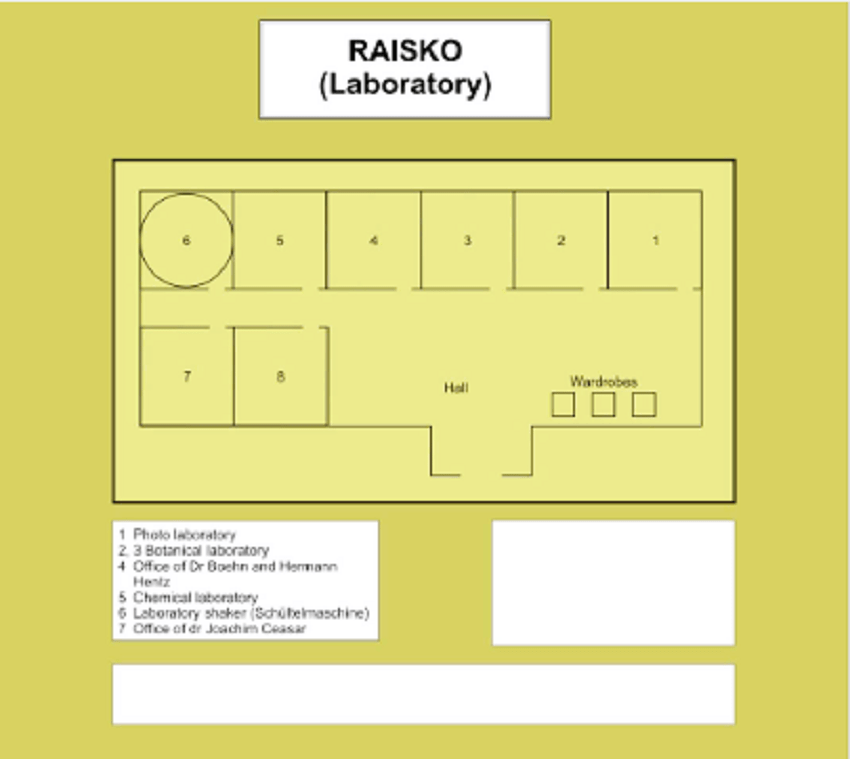
The Raisko subcamp was part of the vast Auschwitz concentration camp complex operated by Nazi Germany during World War II. Located about 4 kilometers from the main Auschwitz I camp,Raisko was one of several subcamps used to exploit the labor of prisoners for various purposes, including agriculture and scientific experimentation.
Establishment and Purpose of Raisko
The Raisko subcamp was established in June 1943 and was primarily focused on agricultural and botanical research, fitting into the Nazi regime’s broader interest in controlling and manipulating food production. This subcamp operated under the control of Auschwitz but had a distinct character from other subcamps, which were more typically linked to industrial labor or construction work.
Raisko was particularly notable for its botanical research and greenhouse complex, which was overseen by the SS Hygiene Institute (Hygiene-Institut der Waffen-SS). The camp aimed to conduct scientific experiments on plants, especially concerning crop cultivation and resistance to harsh climates. The Nazis believed that advancements in agricultural science could help ensure the self-sufficiency of the Third Reich and support their territorial expansion plans, especially in Eastern Europe.
Prisoners and Forced Labor
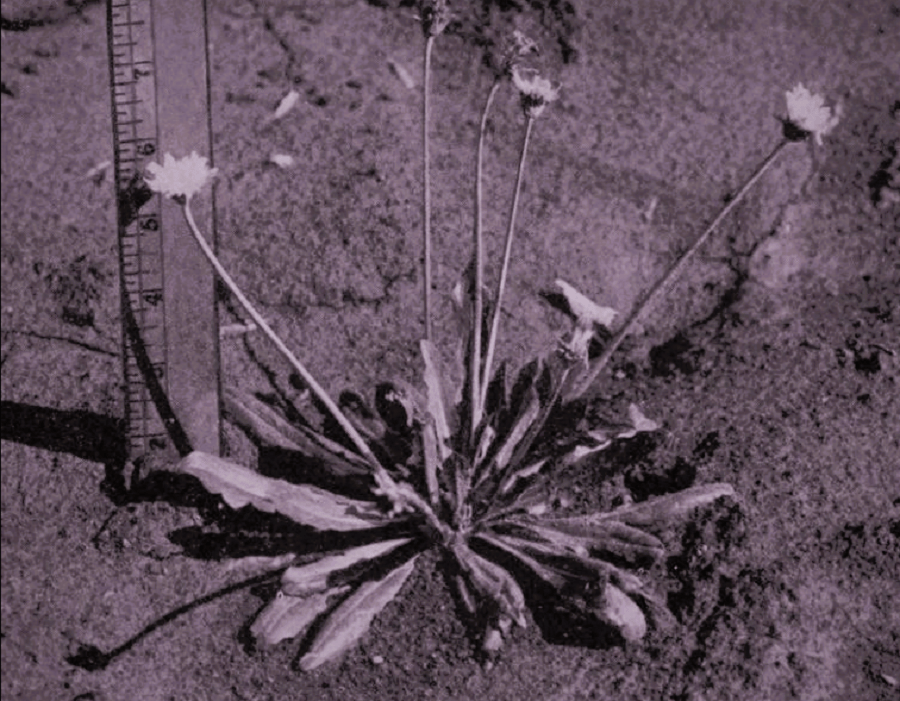
The prisoners sent to Raisko were primarily women, many of them Polish and Jewish. These women were forced to work under dire conditions in the camp’s agricultural facilities, including in greenhouses where experiments on plant growth and development took place. Prisoners were involved in cultivating various plants, including medicinal herbs, vegetables, and rubber-producing plants like kok-saghyz, a dandelion species that could produce latex as a substitute for rubber, which was in short supply due to the war.
The work was grueling, and although the Raisko subcamp might not have been as deadly as the extermination facilities at Auschwitz-Birkenau, the prisoners still faced exhaustion, malnutrition, mistreatment, and brutal conditions. SS guards maintained control, and the women laboring in the greenhouses and fields were given meager food rations, little medical care, and no protection from the harsh treatment often meted out by the guards.
SS Scientific Ambitions
The research conducted at Raisko was closely aligned with the Nazis’ ideological goals of autarky (economic self-sufficiency) and the Lebensraum (living space) policy, which sought to conquer Eastern Europe and use its vast lands for agricultural colonization by Germans. The experiments at Raisko were an attempt to adapt crops to less fertile soils and difficult climates, which the Nazis anticipated encountering in their eastern conquests.
One key area of focus was the cultivation of rubber plants, which were crucial for the German war effort. The kok-saghyz dandelion was an alternative to traditional rubber sources, as Germany had lost access to rubber-producing regions in Southeast Asia due to the war. Raisko’s scientists and prisoners worked on refining methods for growing this plant in controlled environments, as well as exploring other agricultural techniques that could serve the needs of the Reich.
In addition to agricultural experiments, the Raisko camp also played a role in Nazi medical and scientific endeavors. The SS had an interest in the medical properties of certain plants, and the work at Raiskowas tied to their broader efforts to control both the natural world and human populations through science.
Living Conditions in Raisko
Though Raisko was not a death camp like Birkenau, life for the prisoners was harsh. The camp was surrounded by electrified barbed wire, and SS guards imposed strict discipline. The daily routines involved long hours of backbreaking labor in fields or greenhouses, exposure to harsh weather conditions, and constant abuse by the guards.
While the exact number of prisoners held at Raisko is uncertain, it was a small subcamp compared to others in the Auschwitz complex. However, the work was dangerous, and many prisoners suffered from exhaustion, disease, and malnutrition. Deaths occurred regularly due to overwork and lack of medical care, though mass executions were not part of Raisko’s function.
Liberation and Legacy
As the Allies advanced into Poland, Raisko and the other Auschwitz subcamps were abandoned by the Nazis in early 1945. Soviet forces liberated the main Auschwitz complex on January 27, 1945, and the surviving prisoners from Raiskowere freed around the same time.
After the war, the legacy of Raisko, like other subcamps, was overshadowed by the larger Auschwitz and Birkenau camps. However, Raisko’s role as a center for botanical and agricultural research highlights the wide-ranging nature of the Nazi exploitation of prisoners, not only for industrial or construction purposes but also for scientific projects tied to the war effort and Nazi ideological goals.
The Raiskosubcamp serves as a reminder of how deeply Nazi ideology penetrated every aspect of life under the Third Reich. Even in the seemingly mundane realm of agriculture and botanical research, the Nazi regime’s cruelty and obsession with racial superiority and conquest shaped the exploitation of labor and scientific research. The prisoners forced to work in Raisko’s greenhouses and fields were subjected to the same brutality and disregard for human life that defined the broader system of concentration camps. Today, Raisko remains a lesser-known part of the Auschwitz complex but a significant testament to the many forms of oppression faced by those under Nazi rule.
sources
https://www.tracesofwar.com/sights/148322/Raisko-Labor-Camp.htm
https://www.auschwitz.org/en/history/auschwitz-sub-camps/raisko/
https://muse.jhu.edu/pub/3/oa_monograph/chapter/3209396
Donation
Your readership is what makes my site a success, and I am truly passionate about providing you with valuable content. I have been doing this at no cost and will continue to do so. Your voluntary donation of $2 or more, if you are able, would be a significant contribution to the continuation of my work. However, I fully understand if you’re not in a position to do so. Your support, in any form, is greatly appreciated. Thank you. To donate, click on the credit/debit card icon of the card you will use. If you want to donate more than $2, just add a higher number in the box left from the PayPal link. Your generosity is greatly appreciated. Many thanks.
$2.00


Leave a comment