
Every meal could have been her last. After finishing the bland vegetarian dishes placed before her, 25-year-old Margot Wölk and her young female colleagues would burst into tears, “crying like dogs,” grateful simply to still be alive.
Hitler was a vegetarian. While the exact timing of his conversion to vegetarianism is unclear, it is known that he adhered strictly to this diet throughout World War II. Allegedly, he once remarked that he disliked eating lobster because he thought it was cruel to cook them alive. Yet, he had no qualms about killing millions of men, women, and children—or forcing 15 young women to become his food tasters to ensure he wouldn’t be poisoned.

Margot Wölk, born on December 27, 1917, was a German former secretary and one of 15 young women selected in 1942 to taste Hitler’s food at the Wolf’s Lair in East Prussia. For over two years, they sampled his meals to ensure they contained no toxins or poisons. Wölk was the only one of the 15 to survive World War II, and her story as Hitler’s food taster remained unknown until a newspaper interview on her 95th birthday in December 2012. Tragically, all her colleagues were rounded up and executed by the advancing Red Army in January 1945.
Shortly after Wölk’s arrival in Gross-Partsch, the local mayor selected her and 14 other young women to serve as food tasters. They were taken to barracks in nearby Krausendorf (now Kruszewiec, Warmian-Masurian Voivodeship, Poland), where cooks prepared the meals for the Wolf’s Lair in a two-story building. Every day, Wölk was picked up by a bus from her mother-in-law’s residence. Tasting took place daily from 11 a.m. to noon. Service personnel arranged platters of vegetables, sauces, noodle dishes, and exotic fruits on a large wooden table in a designated room, where the food had to be sampled. “There was never any meat because Hitler was a vegetarian,” Wölk recalled in an interview. “The food was good… very good. But we couldn’t enjoy it.”
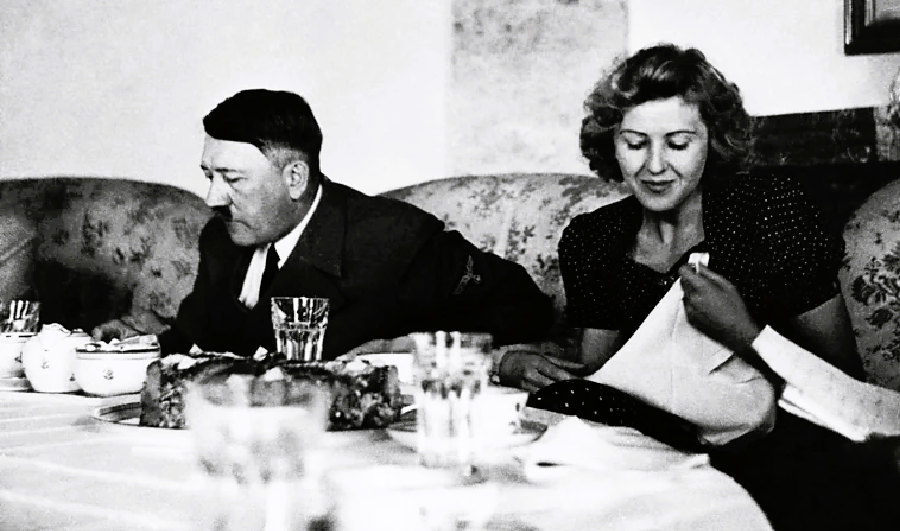
There were rumors that the Allies had plans to poison Hitler. Once the women confirmed the food was safe, SS members transported it to the main headquarters in crates.
After Colonel Claus von Stauffenberg’s failed assassination attempt on July 20, 1944, at the Wolf’s Lair, security was heightened, and the food tasters were no longer allowed to stay at home. Instead, they were lodged in a vacant school building nearby. Each morning at 8 a.m., the SS would rouse Wölk from bed, calling, “Margot, get up!” from beneath her window. By that time, her services were only required if Hitler was actually present at the Wolf’s Lair.
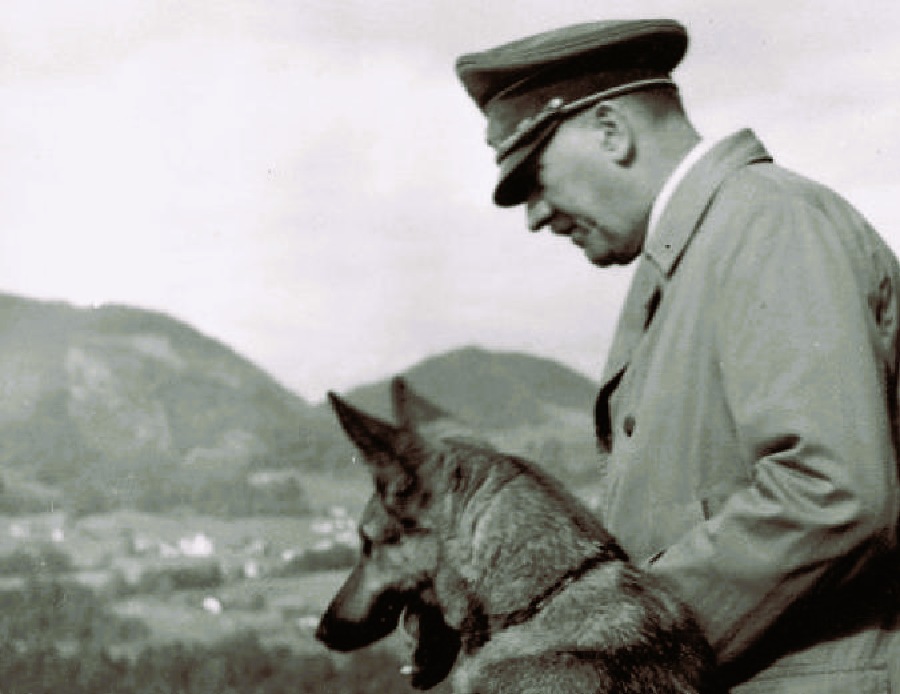
“The security was so tight that I never saw Hitler in person. I only saw his Alsatian dog, Blondi,” Wölk remembered.
Despite the strict security, one night she was raped by an SS officer. Later in 1944, as the Soviet Red Army drew closer to the Wolf’s Lair, an officer helped Wölk escape, putting her on a train to Berlin. After the war, she met this lieutenant again, and he told her that all 14 of the other food tasters had been killed by Soviet soldiers.
Upon returning to Berlin, Wölk fell into the hands of the Soviet Army following the end of the Battle of Berlin. Over two harrowing weeks, she was repeatedly assaulted, leaving her with injuries that prevented her from ever having children.
A British officer named Norman helped her recover afterward. He returned to Britain after the war and wrote, inviting her to join him, but Wölk decided to wait and see if her husband, Karl, was still alive.
In 1946, she was reunited with her husband, Karl, who had been deeply affected by years of war and imprisonment. Despite this, the couple lived happily together until his death in 1980.
For decades after the war, Wölk never spoke about her experiences in Gross-Partsch, though the memories often haunted her dreams. Finally, in December 2012, on her 95th birthday, a local Berlin journalist from Berliner Zeitung visited her and began asking questions. It was then that she broke her silence, sharing what she called the worst years of her life.
In popular culture
Two novels, At the Wolf’s Table by Rosella Postorino[10] and The Taster by V.S. Alexander,[are based on Wölk’s experiences. This novel is inspired by her life, but not all that it mentions is reality; the writer decided to start the book by positioning the main character at Hitler’s suicide.
Hitler’s Tasters, a play by Michelle Kholos Brooks, is based on these women.
sources
https://www.joyvspicer.com/joy-blog/2022/8/22/history-margot-wlk-adolf-hitlers-food-taster
https://www.bbc.com/culture/article/20190807-the-women-who-tasted-hitlers-food
Donation
Your readership is what makes my site a success, and I am truly passionate about providing you with valuable content. I have been doing this at no cost and will continue to do so. Your voluntary donation of $2 or more, if you are able, would be a significant contribution to the continuation of my work. However, I fully understand if you’re not in a position to do so. Your support, in any form, is greatly appreciated. Thank you. To donate, click on the credit/debit card icon of the card you will use. If you want to donate more than $2, just add a higher number in the box left from the PayPal link. Your generosity is greatly appreciated. Many thanks.
$2.00


 History of Sorts
Leave a comment